Society in transition
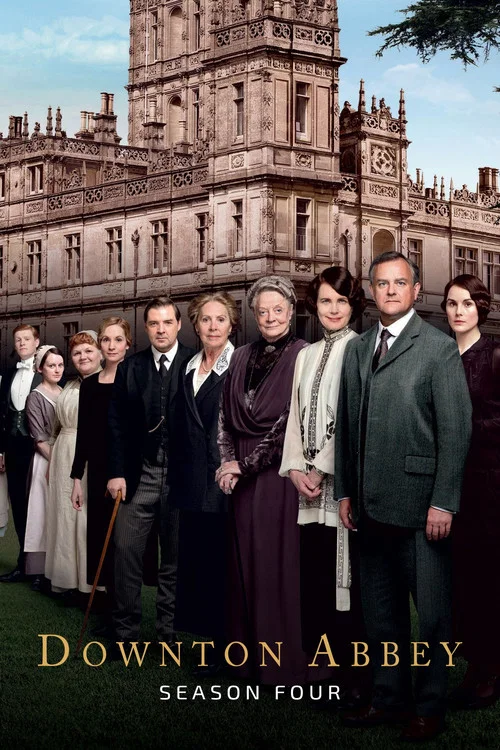
Compare the visual worlds of landed Britain and the more modern, mobile society of the 1920s. Country-house settings show a privileged slice of the decade; notice domestic service, fashion, changing work and social etiquette.
An extended immersion in the era, with complementary social perspectives and a broader range of visual environments.
Compare the visual worlds of landed Britain and the more modern, mobile society of the 1920s. Country-house settings show a privileged slice of the decade; notice domestic service, fashion, changing work and social etiquette.
1920 → 1921
REPRESENTED HISTORY 1920 → 1921
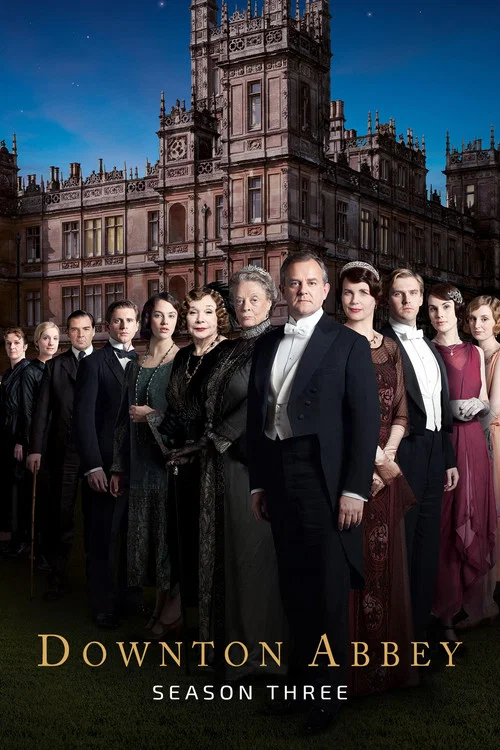
Notice the changing pace of country-house life, formal dining, service hierarchies and expanding roles for women. Its aristocratic viewpoint is not a portrait of typical 1920s households.
Era Immersion lens: assess society in transition via costumes, interior design, streets, social relations and practical routines. Plot dramatization should not be mistaken for documentary evidence.
Season 0 and specials cannot be tracked here.
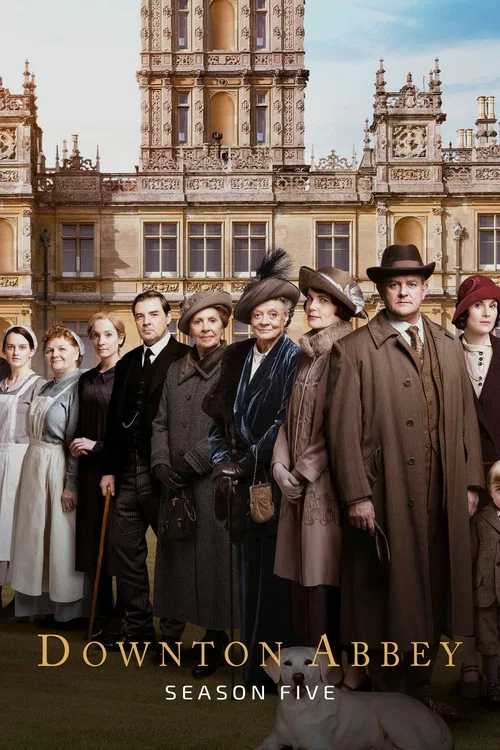
REPRESENTED HISTORY 1922 → 1923
Watch the period wardrobe and postwar social expectations evolve, including tensions between inherited privilege and modern work.
Era Immersion lens: assess society in transition via costumes, interior design, streets, social relations and practical routines. Plot dramatization should not be mistaken for documentary evidence.
Season 0 and specials cannot be tracked here.
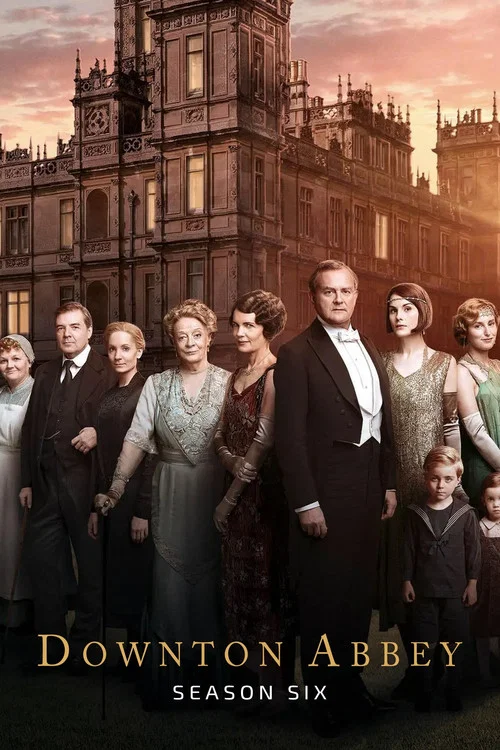
REPRESENTED HISTORY 1924
Look at 1920s fashion, interwar domestic technology and new social expectations among British elites and servants.
Era Immersion lens: assess society in transition via costumes, interior design, streets, social relations and practical routines. Plot dramatization should not be mistaken for documentary evidence.
Season 0 and specials cannot be tracked here.
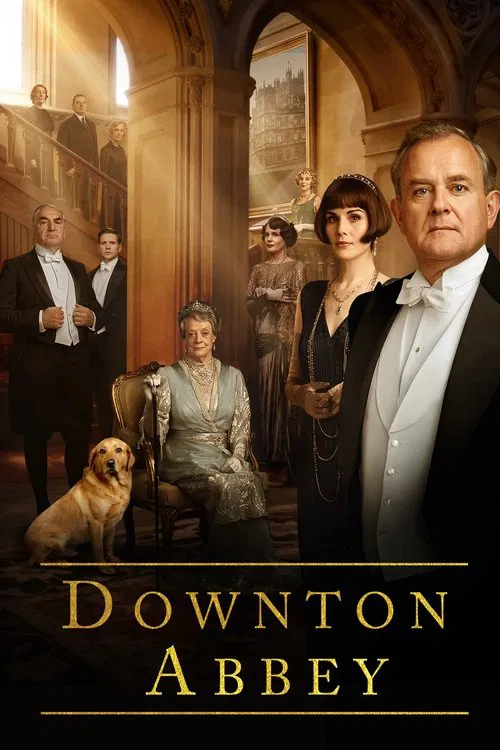
REPRESENTED HISTORY 1925
Follow late-decade changes in employment, household management and the fragility of the old landed order.
Era Immersion lens: assess society in transition via costumes, interior design, streets, social relations and practical routines. Plot dramatization should not be mistaken for documentary evidence.
Season 0 and specials cannot be tracked here.
REPRESENTED HISTORY 1927
Study 1927 ceremonial fashion, interiors and formal etiquette. The setting is lavish, so treat it as an elite-world counterpoint to everyday life.
Era Immersion lens: assess society in transition via costumes, interior design, streets, social relations and practical routines. Plot dramatization should not be mistaken for documentary evidence.
Season 0 and specials cannot be tracked here.
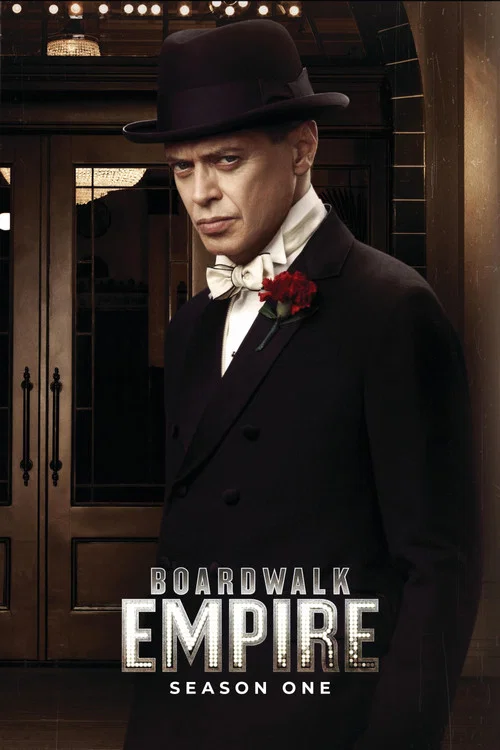
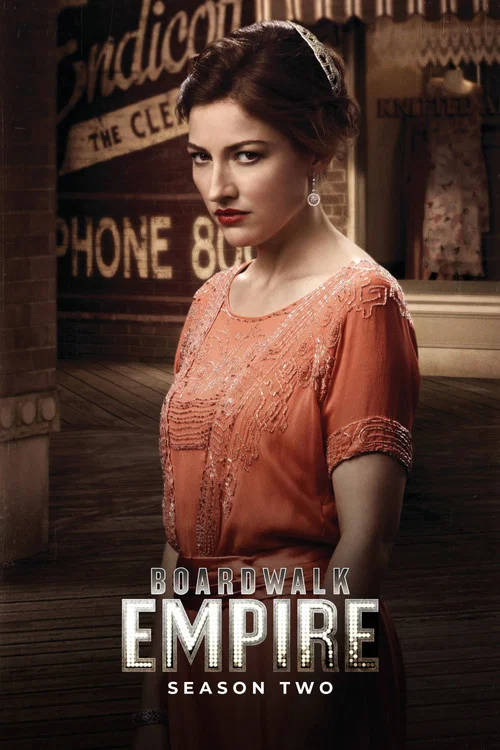
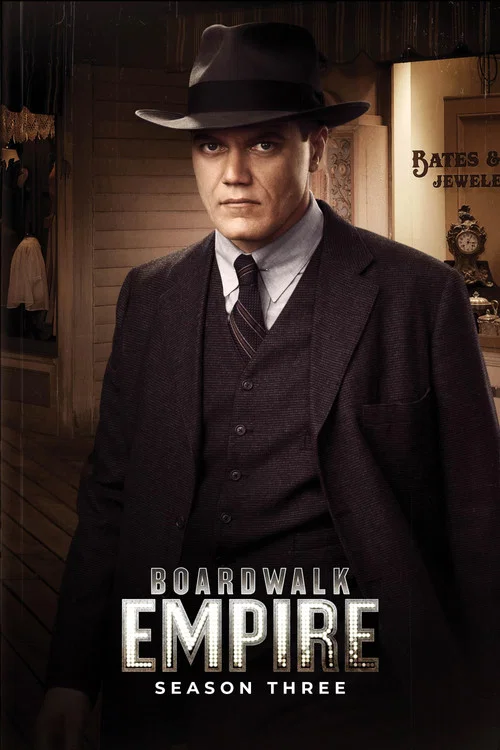
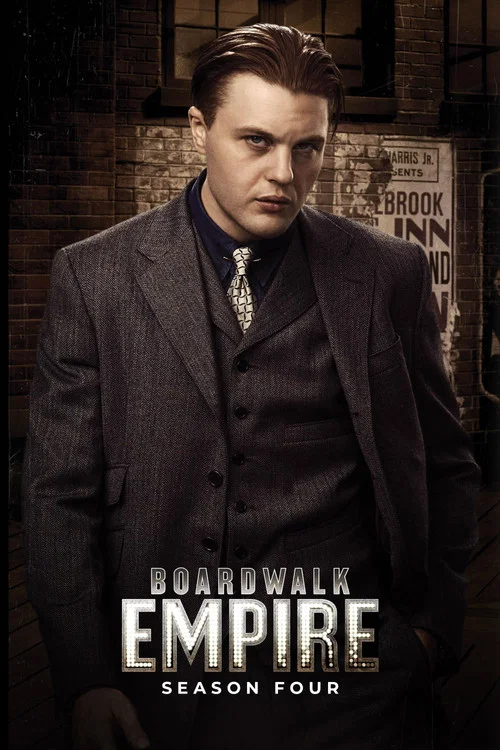
Prohibition reshaped bars, hotels, urban politics and commercial leisure. Screen crime dramas are heightened, but their interiors, street scenes and social divisions reveal recognizable features of the period.
1920
REPRESENTED HISTORY 1920
A strong introduction to clothing, hotels, commerce and entertainment under early Prohibition. It is stylized crime drama, not a neutral survey.
Era Immersion lens: assess prohibition and atlantic city via costumes, interior design, streets, social relations and practical routines. Plot dramatization should not be mistaken for documentary evidence.
Season 0 and specials cannot be tracked here.
REPRESENTED HISTORY 1921
Expand the view of social spaces and power networks in a port city shaped by organized crime and political patronage.
Era Immersion lens: assess prohibition and atlantic city via costumes, interior design, streets, social relations and practical routines. Plot dramatization should not be mistaken for documentary evidence.
Season 0 and specials cannot be tracked here.
REPRESENTED HISTORY 1922 → 1923
Observe spectacle, class division and consumer culture as the decade advances; the violence is dramatically heightened.
Era Immersion lens: assess prohibition and atlantic city via costumes, interior design, streets, social relations and practical routines. Plot dramatization should not be mistaken for documentary evidence.
Season 0 and specials cannot be tracked here.
REPRESENTED HISTORY 1924
Explore the contrast between glamorous venues, immigrant neighborhoods and everyday exclusion.
Era Immersion lens: assess prohibition and atlantic city via costumes, interior design, streets, social relations and practical routines. Plot dramatization should not be mistaken for documentary evidence.
Season 0 and specials cannot be tracked here.
Look for the new urban leisure economy: jazz clubs, dance floors, film studios, consumer spectacle and changing clothing. Some films use anachronistic music or musical fantasy; judge their environments and social rituals separately from literal period authenticity.
REPRESENTED HISTORY Not placed yet
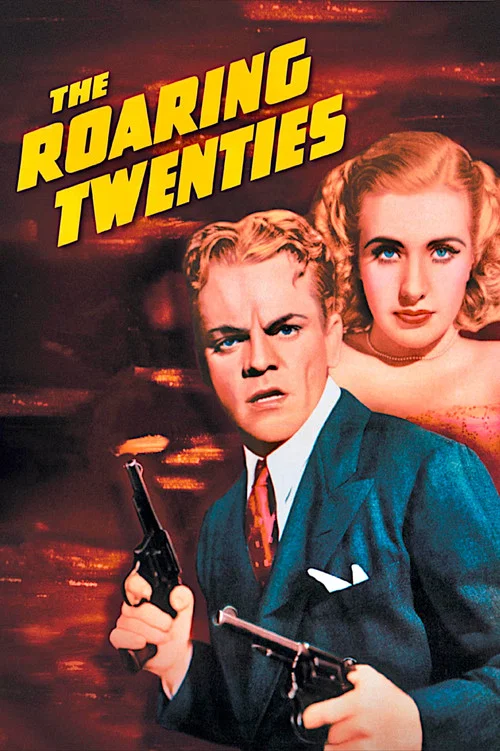
A retrospective view of Prohibition-era business, city streets, clothing and the slide from prosperity to crisis; made later, with a gangster-film viewpoint.
Era Immersion selection: judge the built environment, clothing, leisure, working routines and social rules of the depicted period, not the literal truth of the storyline.
Season 0 and specials cannot be tracked here.
REPRESENTED HISTORY Not placed yet
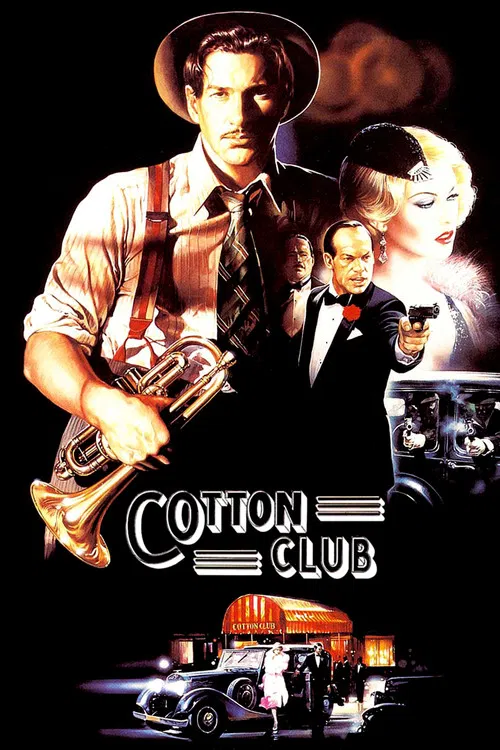
Harlem jazz clubs, performance, fashion and racial barriers. Much of its setting extends into the 1930s; it should not stand for all of the 1920s.
Era Immersion selection: judge the built environment, clothing, leisure, working routines and social rules of the depicted period, not the literal truth of the storyline.
Season 0 and specials cannot be tracked here.
REPRESENTED HISTORY Not placed yet
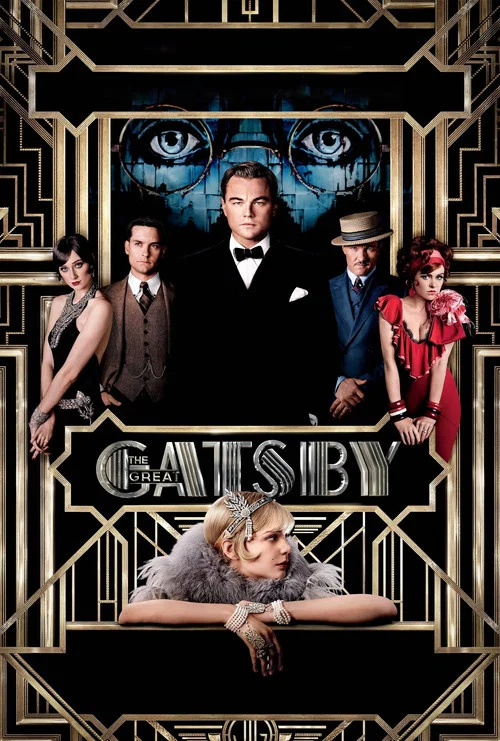
A lavish interpretation of Jazz Age architecture, high society, fashion and parties. Deliberately exaggerated, including its anachronistic soundtrack.
Era Immersion selection: judge the built environment, clothing, leisure, working routines and social rules of the depicted period, not the literal truth of the storyline.
Season 0 and specials cannot be tracked here.
REPRESENTED HISTORY Not placed yet
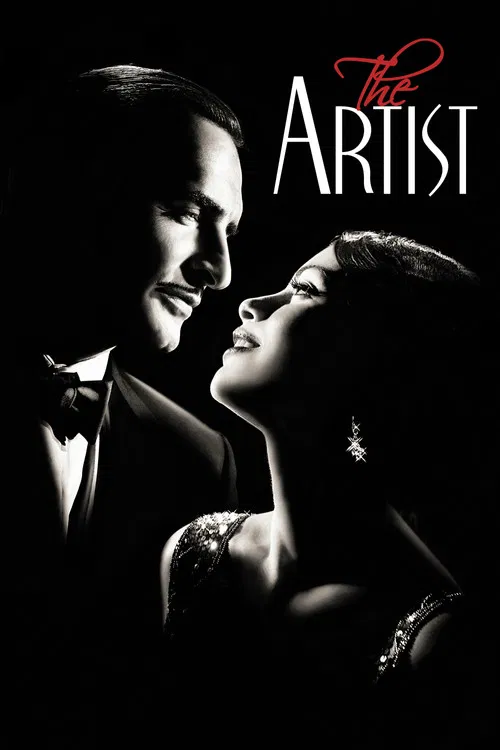
Silent-era Hollywood sets, studio labour, film premieres and shifting entertainment habits. West Coast rather than New York.
Era Immersion selection: judge the built environment, clothing, leisure, working routines and social rules of the depicted period, not the literal truth of the storyline.
Season 0 and specials cannot be tracked here.
REPRESENTED HISTORY Not placed yet
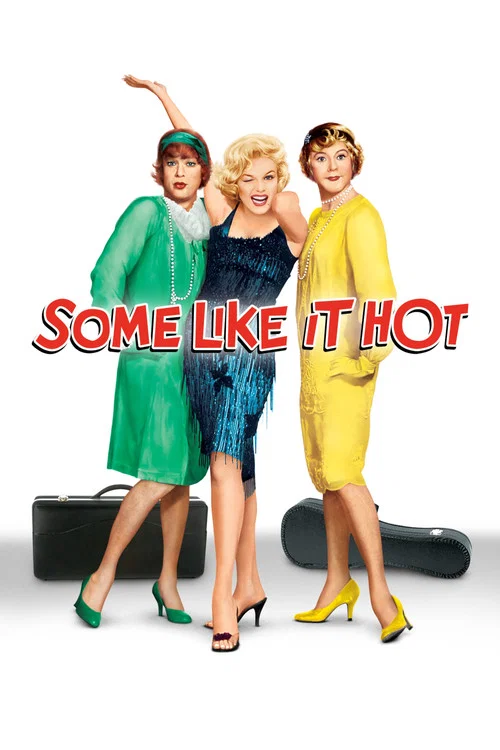
A playful reconstruction of late-1920s jazz culture, travel and Prohibition. Treat its comedy as retrospective fantasy.
Era Immersion selection: judge the built environment, clothing, leisure, working routines and social rules of the depicted period, not the literal truth of the storyline.
Season 0 and specials cannot be tracked here.
REPRESENTED HISTORY Not placed yet
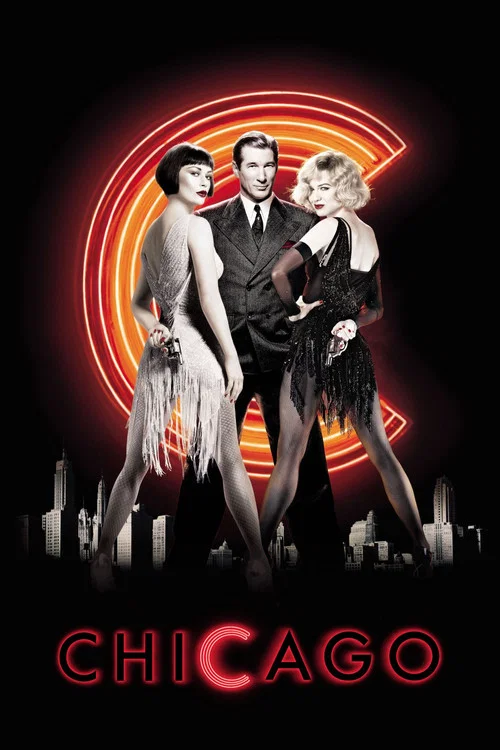
Jazz Age celebrity, sensationalist journalism and theatrical costume. Highly stylized stage-musical presentation.
Era Immersion selection: judge the built environment, clothing, leisure, working routines and social rules of the depicted period, not the literal truth of the storyline.
Season 0 and specials cannot be tracked here.
The glamorous decade was not experienced equally. This closing section shows displacement, racial exclusion and exploitation in an America that was prosperous for some but violent and unequal for others.
1919 → 1926
REPRESENTED HISTORY 1919 → 1926
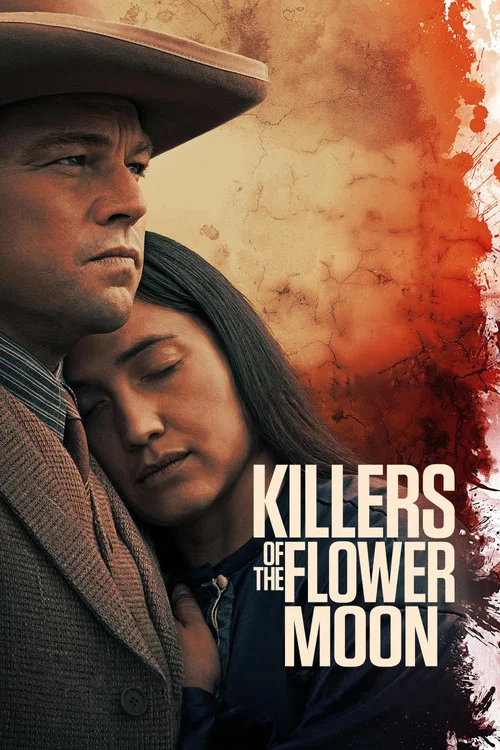
An essential corrective to the idea of universal 1920s prosperity: Osage wealth, exploitation, clothing, oil-town environments and racialized power. This is Oklahoma, not a Jazz Age city.
Era Immersion lens: assess who did not share the boom? via costumes, interior design, streets, social relations and practical routines. Plot dramatization should not be mistaken for documentary evidence.
Season 0 and specials cannot be tracked here.