01
HISTORICAL CONTEXTHistorical introduction
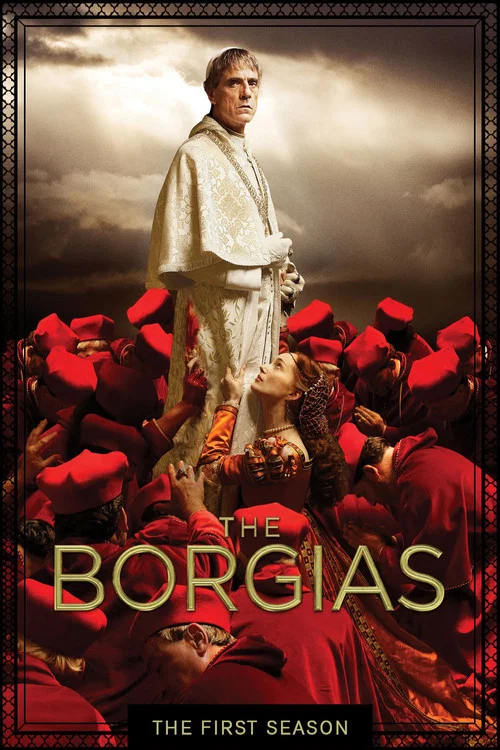
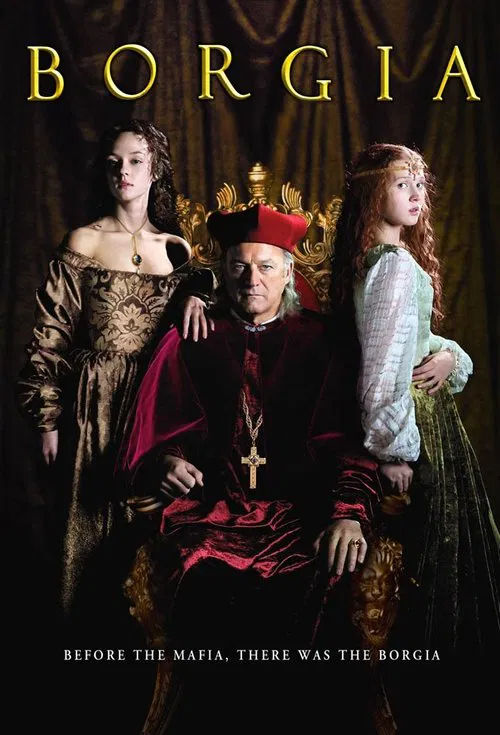
The Renaissance was uneven and diverse: artistic revivals, classical learning, commerce, patronage and new media intersected over centuries. Television dramas emphasize elite families and scandal; the route foregrounds their cultural and institutional context.
02
HISTORICAL CONTEXTFlorentine finance and early patronage · 1420s–1430s
Cosimo de’ Medici and others used banking networks and political alliances in a city shaped by republican institutions and art patronage.
04
HISTORICAL CONTEXTLorenzo de’ Medici and the city-state · 1460s–1490s
Florence combined artistic experimentation with fierce political competition and fragile power.
07
HISTORICAL CONTEXTRome, the papacy and power · 1490s–1500s
Renaissance Rome involved ambitious ecclesiastical courts, artistic patronage, diplomacy and institutional conflict.
10
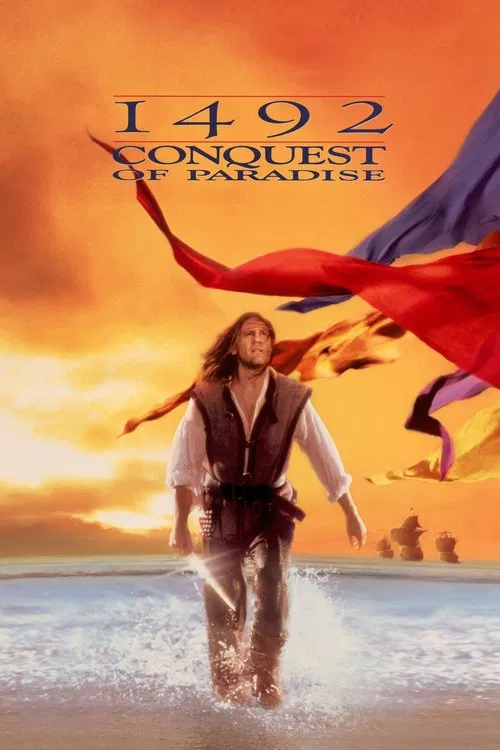
HISTORICAL CONTEXTHumanism, travel and global contacts · c. 1492–1530
Print and scholarship spread new ideas while Atlantic expansion opened a violent new chapter in encounters and conquest.
12
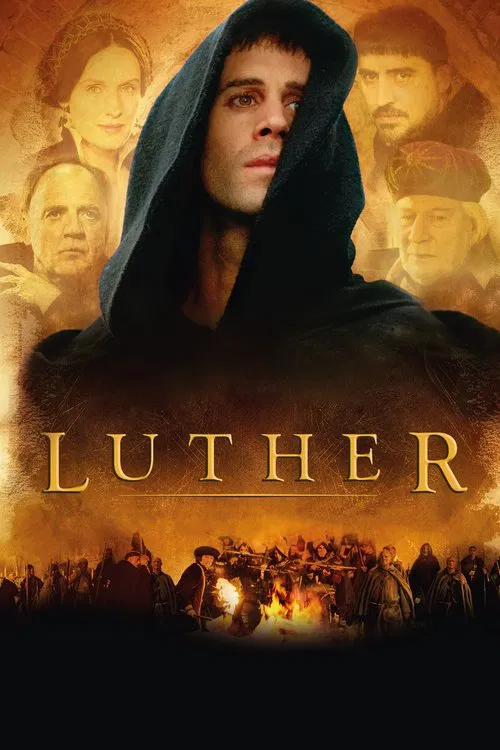
HISTORICAL CONTEXTReformation and state authority · 1500s–1540s
Religious reform intersected with printing, monarchy, diplomacy and the changing institutions of Europe.
15
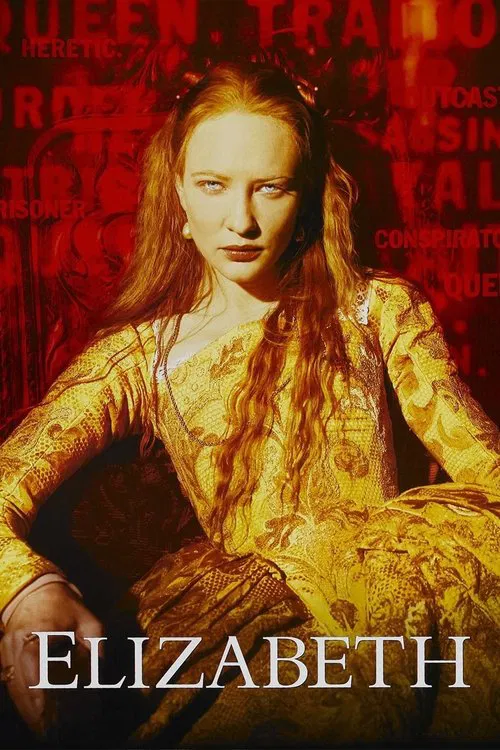
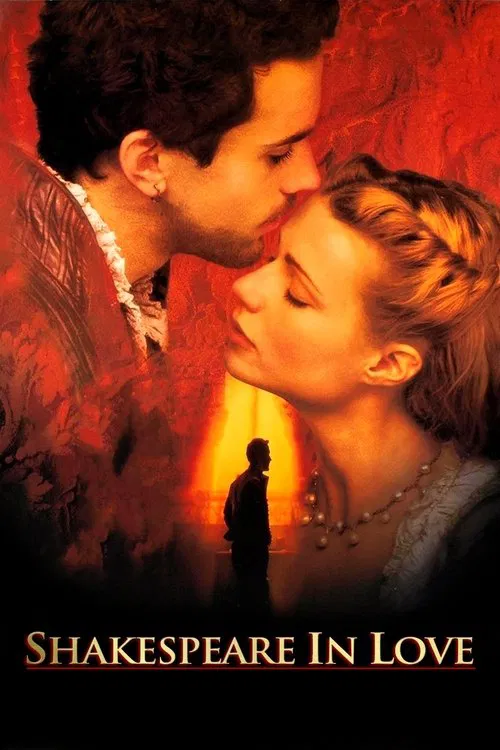
HISTORICAL CONTEXTLate Renaissance courts, drama and cultural life · 1550s–1600
Royal politics and the flourishing of theater show that the Renaissance did not end with Italian princely courts.