01
HISTORICAL CONTEXT
Court and medieval warriors
Court patronage and the rising prominence of military clans. Consider the evidence and viewpoints behind the screen portrayals before continuing.
A chapter-by-chapter historical exploration from early state formation to the modern era, combining political events with social experience. Screen narratives are critically framed and ordered for understanding, not simply by production date.
Court patronage and the rising prominence of military clans. Consider the evidence and viewpoints behind the screen portrayals before continuing.
1050 → 1100
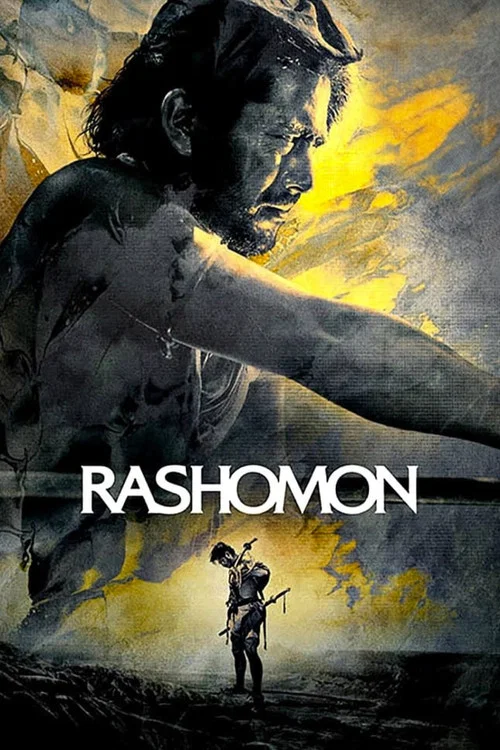
REPRESENTED HISTORY 1050 → 1100
A Heian-era murder story evokes social hierarchies and contested testimony.
A highly fictional moral tale, most useful as a cultural window rather than political chronology.
Season 0 and specials cannot be tracked here.
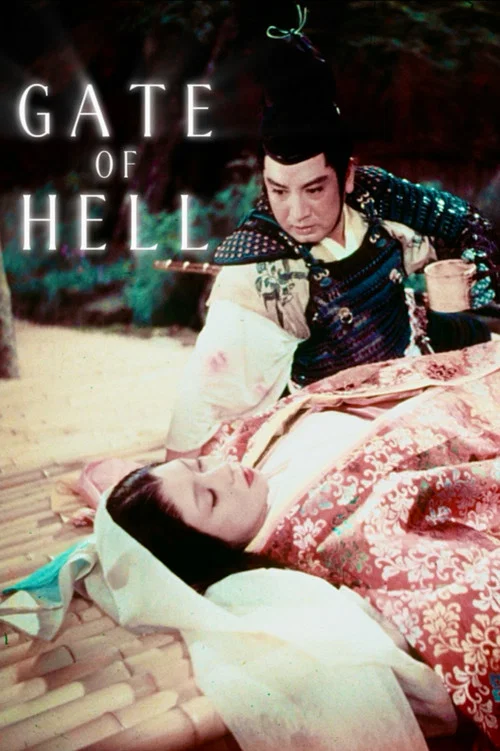
REPRESENTED HISTORY 1159 → 1160
Courtly life in the twelfth century introduces a world before mature shogunal rule.
Melodramatic storytelling; costumes and rituals serve the film’s aesthetics.
Season 0 and specials cannot be tracked here.
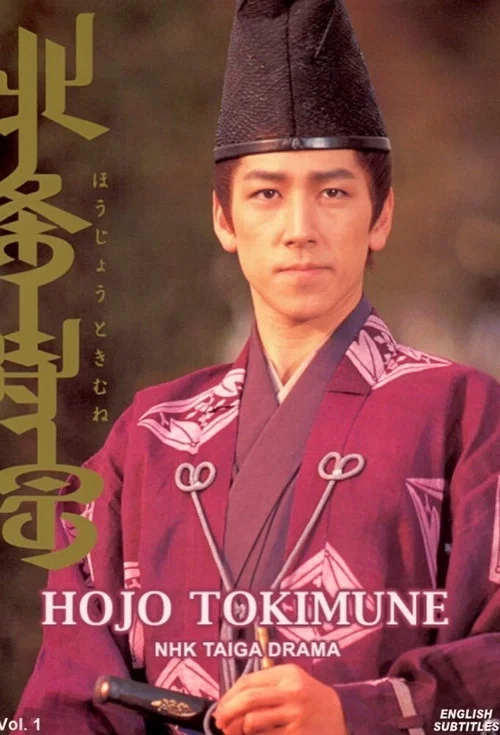
REPRESENTED HISTORY 1251 → 1284
The Kamakura shogunate and Mongol invasion dramatize medieval Japan’s military government.
A long-form historical drama with interpretive and dramatized characterizations.
Season 0 and specials cannot be tracked here.
War, diplomacy and the making of Tokugawa rule. Consider the evidence and viewpoints behind the screen portrayals before continuing.
1551 → 1600
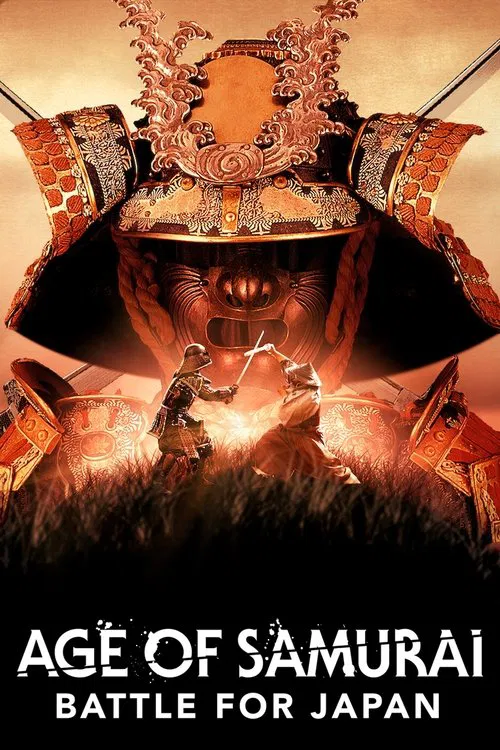
REPRESENTED HISTORY 1551 → 1600
Documentary reconstructions introduce the struggles among Sengoku warlords.
Broad overview blending expert commentary with dramatic reenactments.
Season 0 and specials cannot be tracked here.
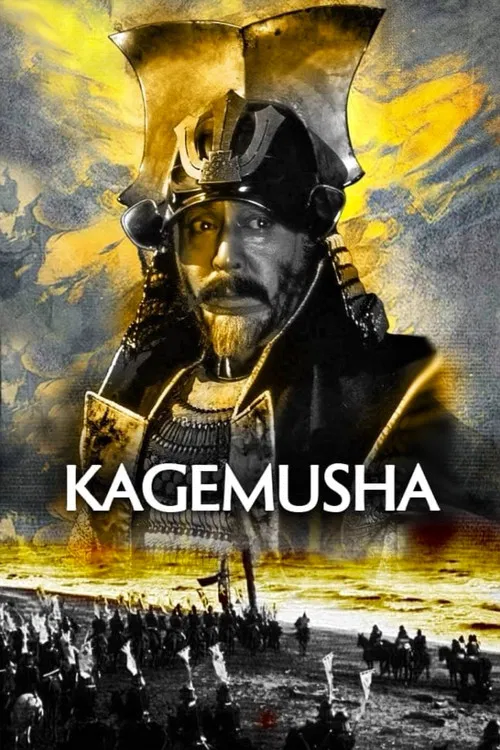
REPRESENTED HISTORY 1573 → 1575
A Takeda-clan succession fiction evokes rival warlords before unification.
Kurosawa’s fictional double explores the era rather than reconstructing a specific campaign.
Season 0 and specials cannot be tracked here.
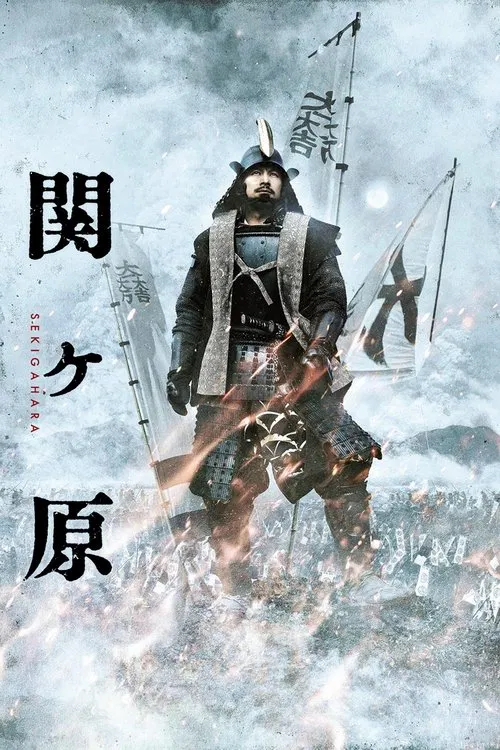
REPRESENTED HISTORY 1600
The 1600 struggle for control leads toward Tokugawa hegemony.
An interpretive military narrative with compressed rival political visions.
Season 0 and specials cannot be tracked here.
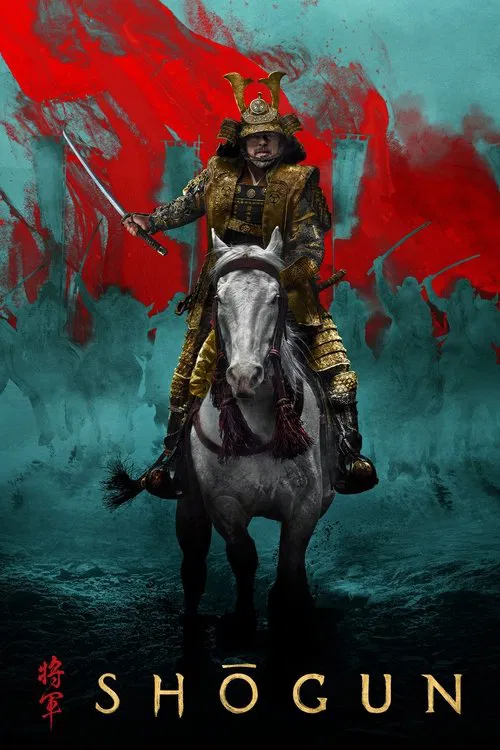
REPRESENTED HISTORY 1600
A foreign visitor’s arrival provides a dramatic lens on power around 1600.
Adapted fiction with invented names and relationships; not a biography of Tokugawa Ieyasu.
Season 0 and specials cannot be tracked here.
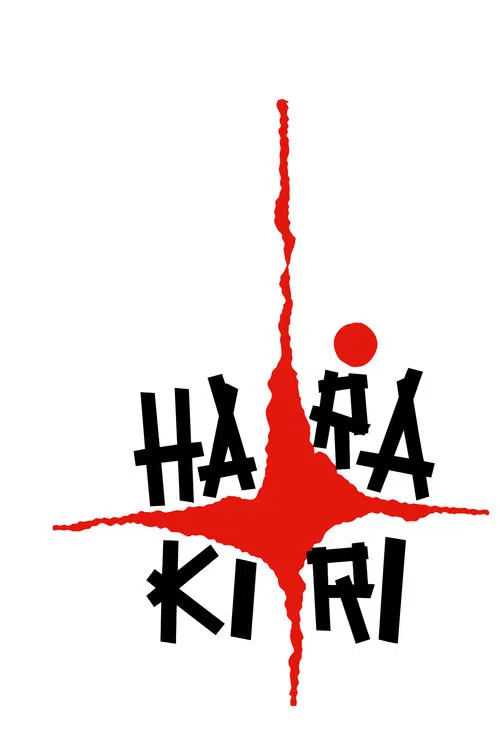
REPRESENTED HISTORY 1630
The pressures of early Edo samurai status are critiqued from within a fictional tale.
Set in the seventeenth century; film’s social critique is stronger than its factual claims.
Season 0 and specials cannot be tracked here.
The end of shogunal rule and contested reform. Consider the evidence and viewpoints behind the screen portrayals before continuing.
1835 → 1867
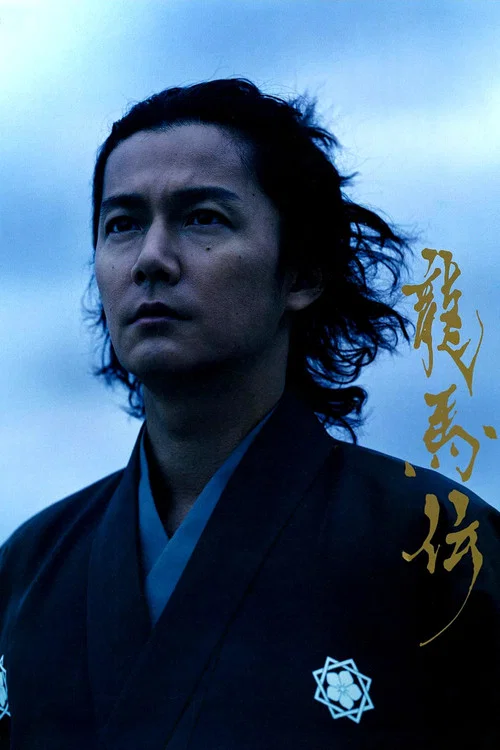
REPRESENTED HISTORY 1835 → 1867
The crisis of the Tokugawa order is told through Bakumatsu reformers.
A biographical drama shaped by later national memory of Sakamoto Ryōma.
Season 0 and specials cannot be tracked here.
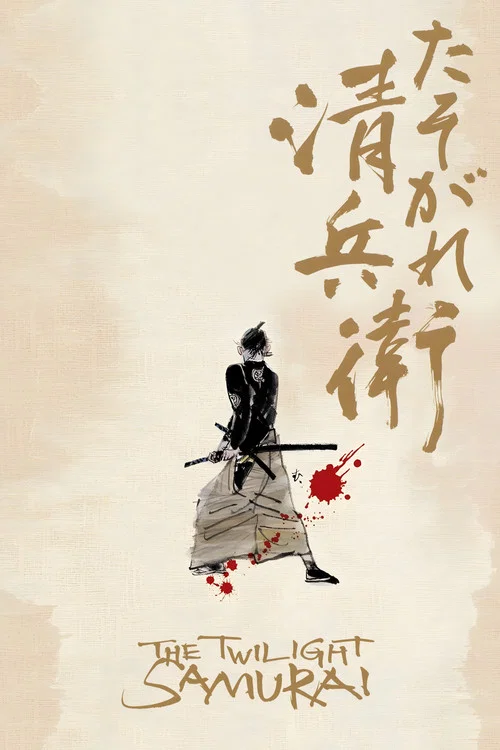
REPRESENTED HISTORY 1860 → 1867
Lower-ranking samurai family life evokes the final years of the old order.
Fictional small-scale social portrait rather than a campaign history.
Season 0 and specials cannot be tracked here.
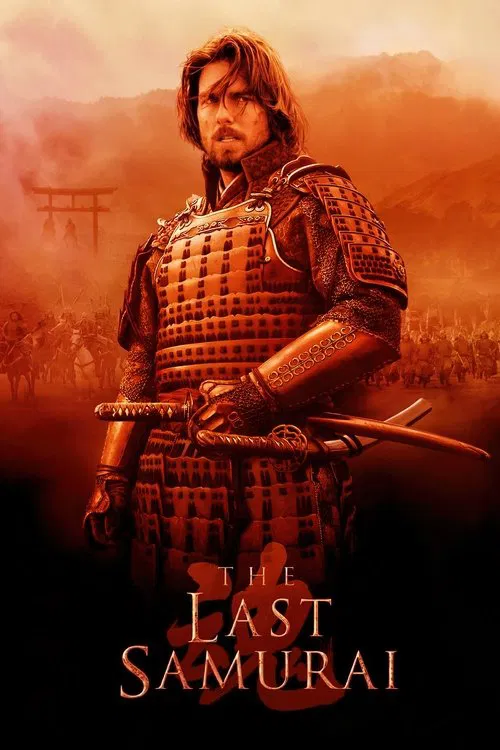
REPRESENTED HISTORY 1876 → 1877
The fall of the warrior class and resistance to the Meiji state are rendered as a western-facing story.
Major invented characters, simplifications and Orientalist framing; useful only with explicit caution.
Season 0 and specials cannot be tracked here.
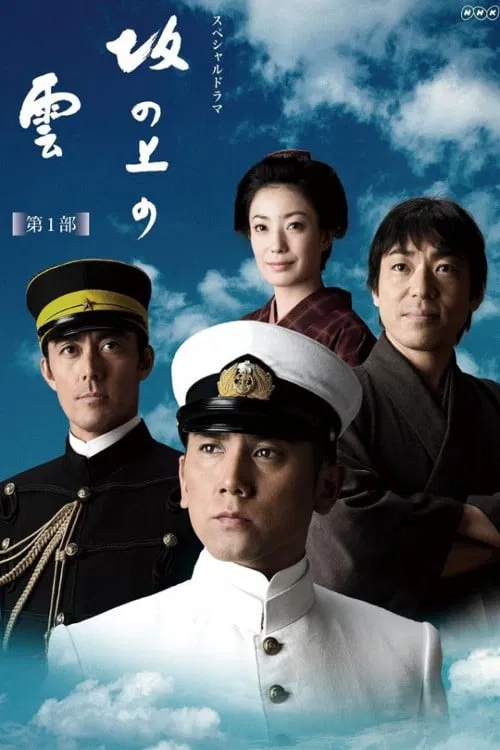
REPRESENTED HISTORY 1868 → 1905
Japan’s emergence as a military and imperial power follows ambitious reform.
Biographical serialization with nationalist perspective; geopolitical consequences need balancing.
Season 0 and specials cannot be tracked here.
Militarism, civilian suffering, defeat and postwar justice. Consider the evidence and viewpoints behind the screen portrayals before continuing.
1923
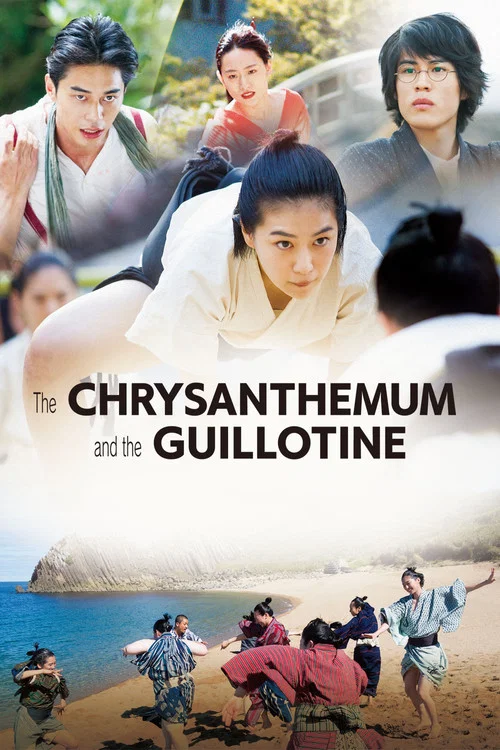
REPRESENTED HISTORY 1923
The 1920s juxtapose radical politics, gender and mass entertainment.
A dramatized portrait of diverse movements during a tumultuous interwar decade.
Season 0 and specials cannot be tracked here.
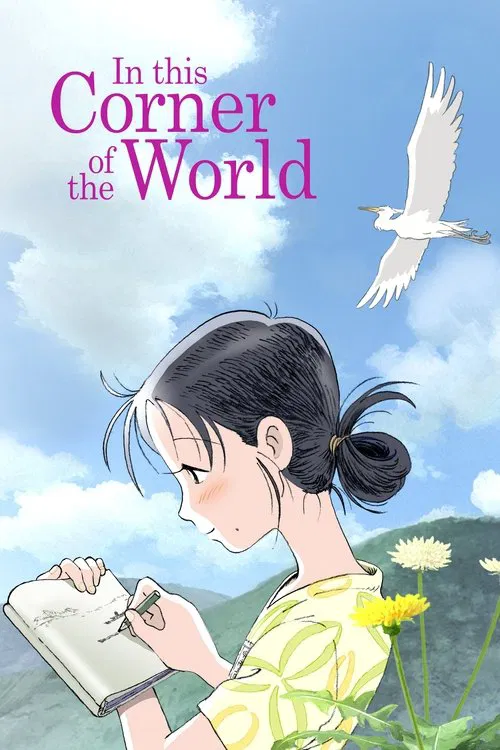
REPRESENTED HISTORY 1943 → 1945
Civilian life and household routines foreground war beyond the battlefield.
Animated fictional story researched for everyday detail, but not a personal memoir.
Season 0 and specials cannot be tracked here.
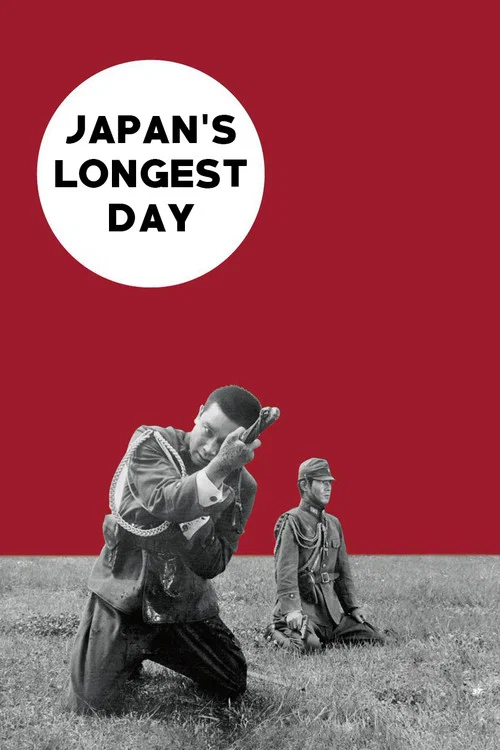
REPRESENTED HISTORY 14.08.1945 → 15.08.1945
The surrender decision dramatizes the final hours of Japan’s wartime government.
Leader-centered history; wartime crimes and colonial experiences require separate context.
Season 0 and specials cannot be tracked here.
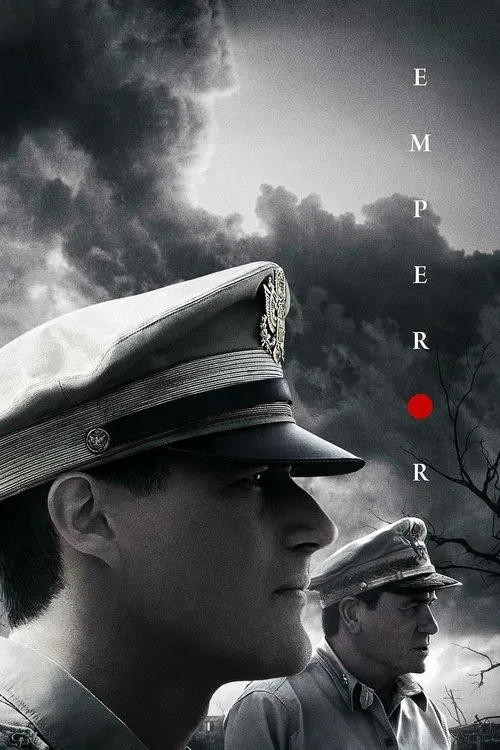
REPRESENTED HISTORY 15.08.1945 → 27.09.1945
American occupation policy and the emperor’s role open the postwar phase.
A dramatized U.S. viewpoint, not a complete account of occupation.
Season 0 and specials cannot be tracked here.
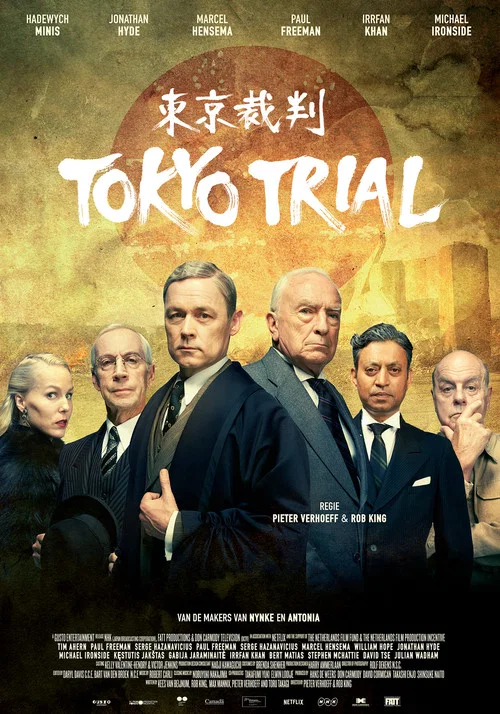
REPRESENTED HISTORY 1946 → 1948
International proceedings illuminate early postwar accountability.
A historical miniseries with selective case coverage and courtroom dramatization.
Season 0 and specials cannot be tracked here.
Films and dramas concentrate on selected people, settings and conflicts. They are not exhaustive, equal representations of classes, regions or communities. Compare these portrayals with historical scholarship and explore thematic Journeys across the same period.