01
HISTORICAL CONTEXT
Kingdom and the Wars of Religion
Medieval state-building, religion and the instability of royal authority. Consider the evidence and viewpoints behind the screen portrayals before continuing.
A chapter-by-chapter historical exploration from early state formation to the modern era, combining political events with social experience. Screen narratives are critically framed and ordered for understanding, not simply by production date.
Medieval state-building, religion and the instability of royal authority. Consider the evidence and viewpoints behind the screen portrayals before continuing.
1428 → 1431
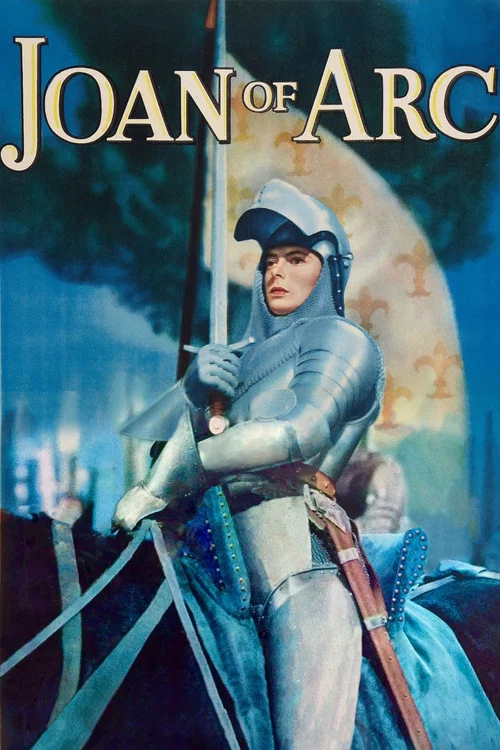
REPRESENTED HISTORY 1428 → 1431
Joan of Arc embodies a kingdom fighting for survival in the Hundred Years War.
A biographical dramatization: visions and political motives need independent interpretation.
Season 0 and specials cannot be tracked here.
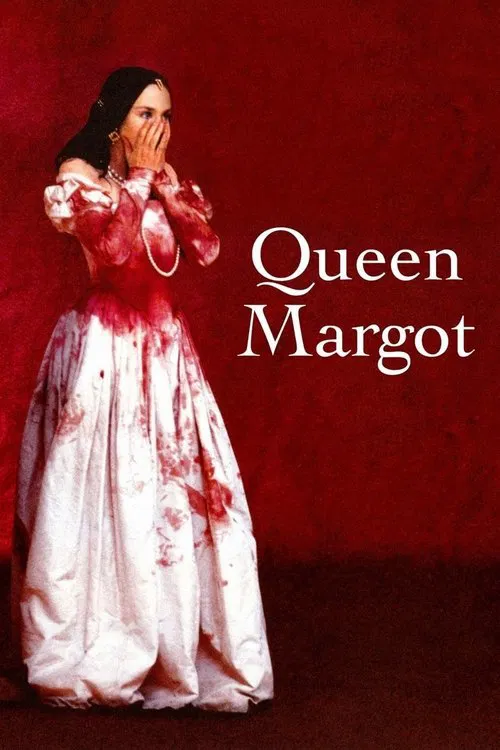
REPRESENTED HISTORY 1572 → 1574
Religious violence and court politics expose deep fractures in the late Valois monarchy.
Its romance and conspiracies dramatize the St Bartholomew’s Day Massacre; do not treat every intrigue as documented.
Season 0 and specials cannot be tracked here.
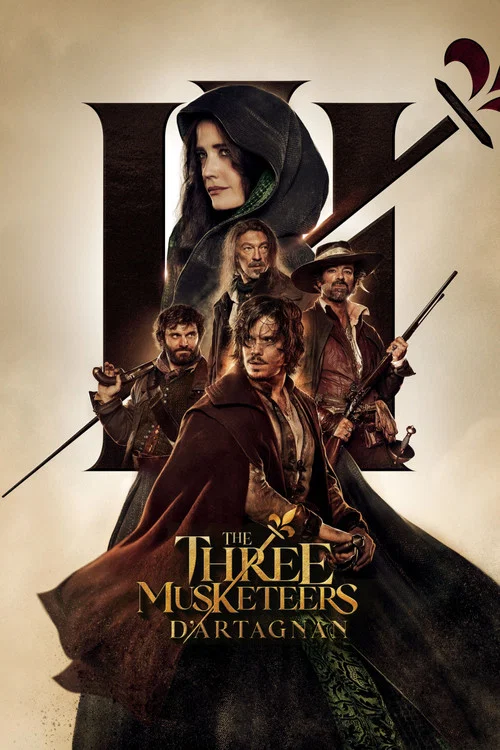
REPRESENTED HISTORY 1627
Courtly intrigue introduces the social world of the early Bourbon monarchy.
A Dumas-derived adventure; valuable for courtly setting, not a factual account of Richelieu’s politics.
Season 0 and specials cannot be tracked here.
Court ritual, central government and elite life before the Revolution. Consider the evidence and viewpoints behind the screen portrayals before continuing.
1661
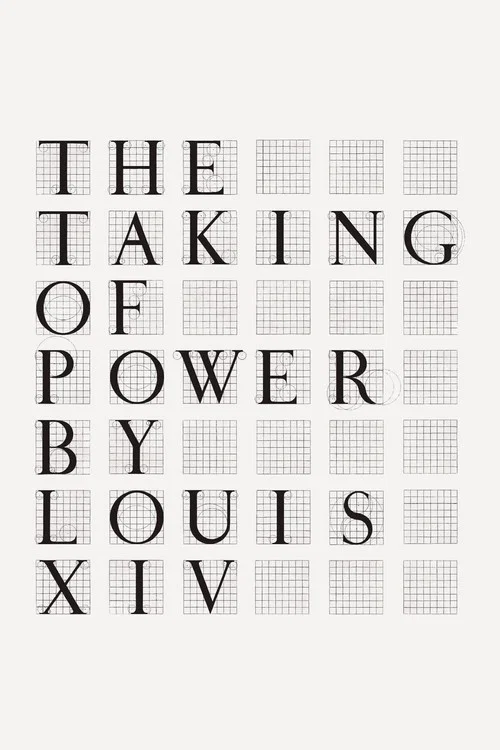
REPRESENTED HISTORY 1661
Rossellini shows how Louis XIV turns kingship into personal government after Mazarin.
Particularly useful for the choreography of power and court life, though it compresses political causes.
Season 0 and specials cannot be tracked here.
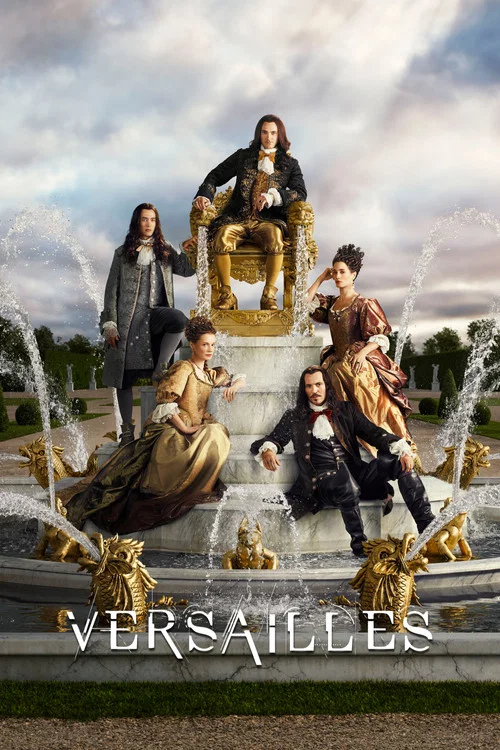
REPRESENTED HISTORY 1667 → 1684
The court becomes a stage on which monarchy manages noble ambition.
A dramatized serial with embellished private relationships and invented plotting.
Season 0 and specials cannot be tracked here.
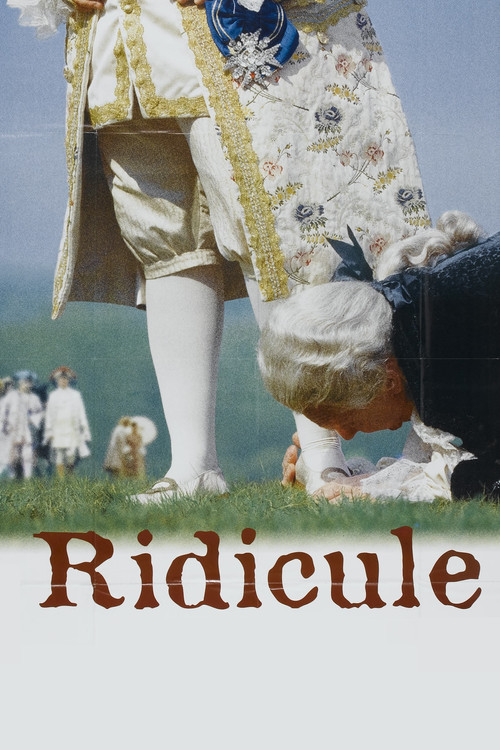
REPRESENTED HISTORY 1783
The nobility’s codes and patronage reveal strains inside the eighteenth-century court.
A fictional story that conveys elite culture rather than a documented political crisis.
Season 0 and specials cannot be tracked here.
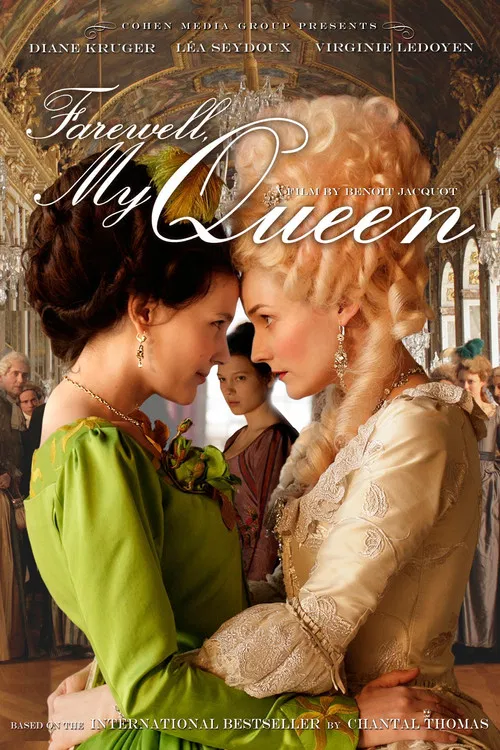
REPRESENTED HISTORY 1789
A household viewpoint brings the collapse of Versailles into focus.
Subjective and fictionalized servant perspective on July 1789; a companion to political narratives.
Season 0 and specials cannot be tracked here.
Revolutionary rupture and the military reshaping of Europe. Consider the evidence and viewpoints behind the screen portrayals before continuing.
1789 → 1794
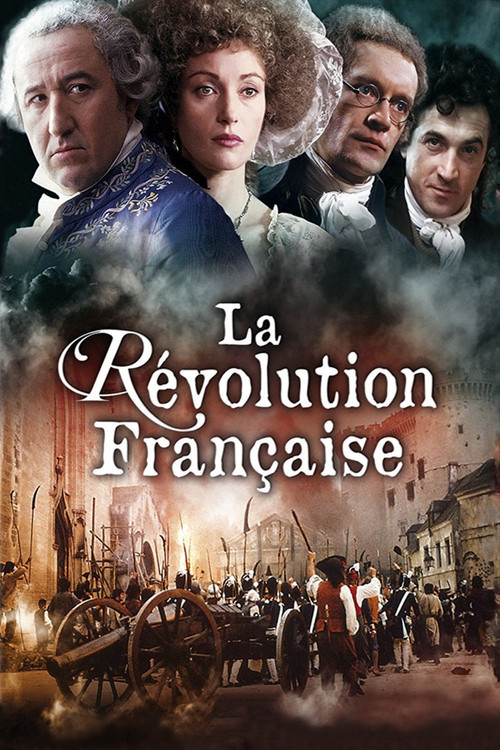
REPRESENTED HISTORY 1789 → 1794
The monarchy collapses and competing visions of citizenship and power collide.
A dramatized overview of a complex revolution that simplifies multiple factions.
Season 0 and specials cannot be tracked here.
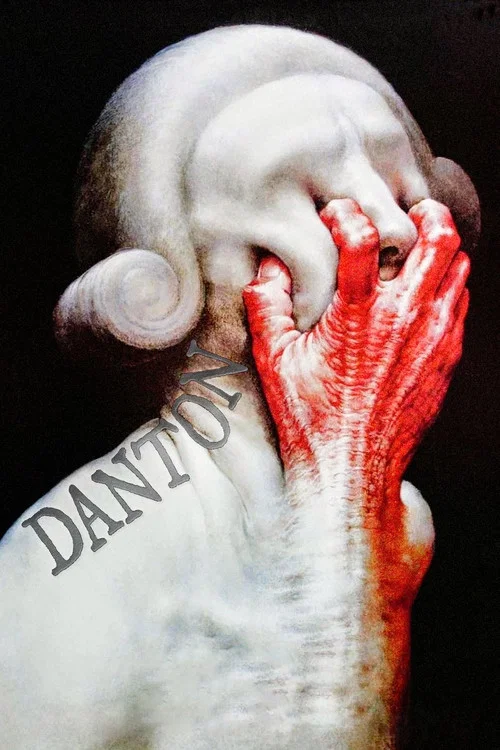
REPRESENTED HISTORY 1793 → 1794
Revolutionary leaders confront terror and the limits of political violence.
Focuses on the Danton–Robespierre conflict; reflect on historical and interpretive debates.
Season 0 and specials cannot be tracked here.
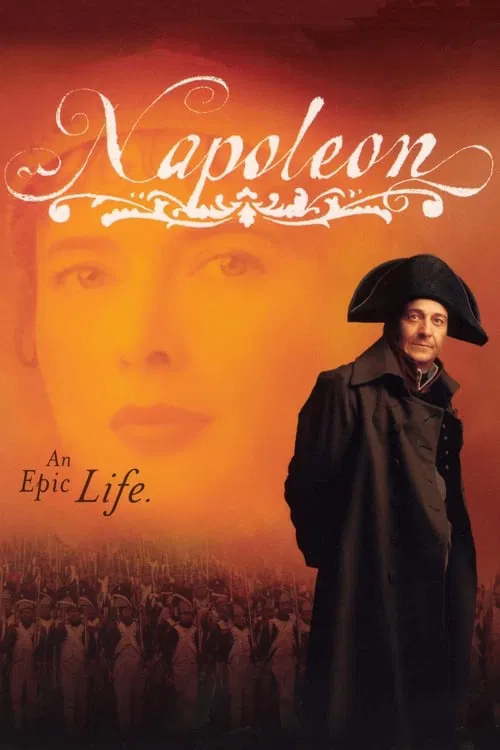
REPRESENTED HISTORY 15.08.1769 → 05.05.1821
A broad biography connects Revolutionary France to continental war and empire.
This miniseries condenses campaigns and relationships; it complements, not replaces, military history.
Season 0 and specials cannot be tracked here.
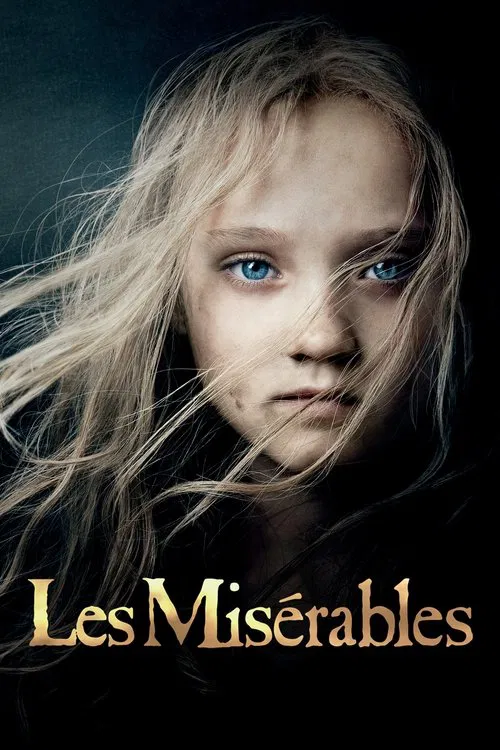
REPRESENTED HISTORY 1815 → 1832
Restoration and post-Napoleonic social tensions emerge through an iconic fictional narrative.
A literary story, not a documentary; its principal value is social context and inequality.
Season 0 and specials cannot be tracked here.
Class, modernization and changing metropolitan society. Consider the evidence and viewpoints behind the screen portrayals before continuing.
1866
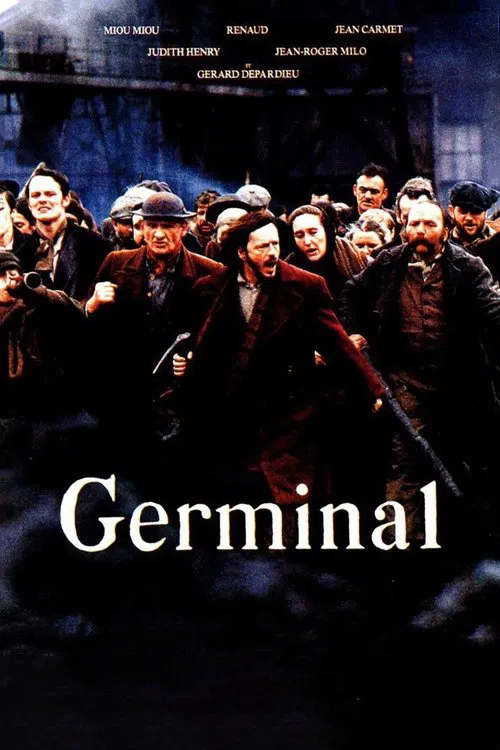
REPRESENTED HISTORY 1866
Working-class conflict brings nineteenth-century industrial France to the foreground.
Zola’s fictional miners reveal material conditions but do not reconstruct a single historical strike.
Season 0 and specials cannot be tracked here.
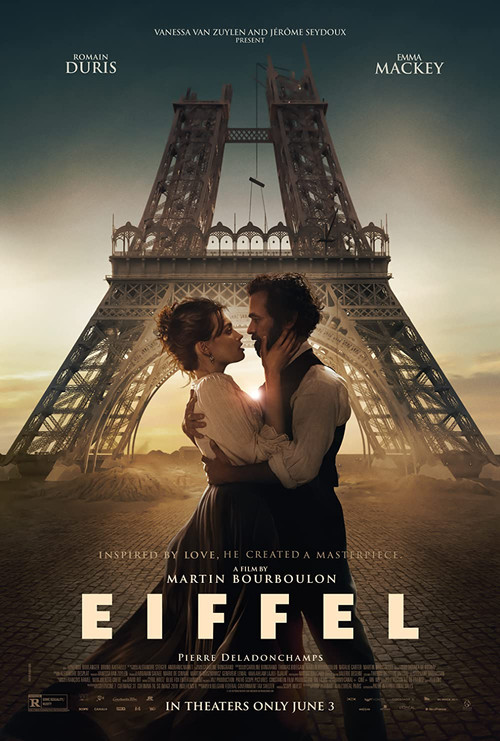
REPRESENTED HISTORY 1886 → 1889
The tower becomes a window into engineering, urban identity and late nineteenth-century Paris.
Its romantic backstory is heavily fictionalized; assess engineering history separately.
Season 0 and specials cannot be tracked here.
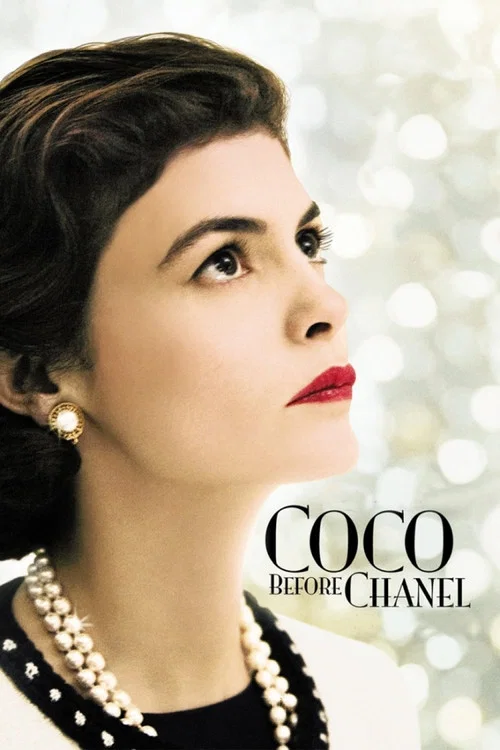
REPRESENTED HISTORY 1908 → 1919
Dress, work and female entrepreneurship illuminate Belle Époque and early modern France.
A dramatized biography focusing on social milieu and an individual career.
Season 0 and specials cannot be tracked here.
Resistance, liberation and difficult twentieth-century transitions. Consider the evidence and viewpoints behind the screen portrayals before continuing.
1940 → 1945
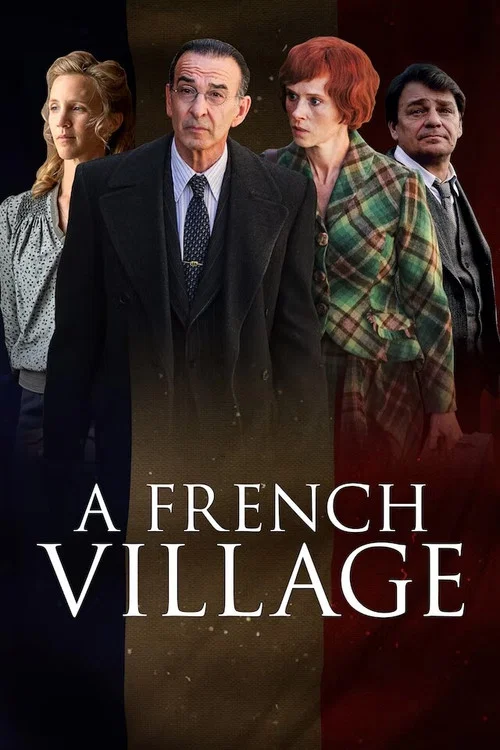
REPRESENTED HISTORY 1940 → 1945
Occupation politics unfold through the choices of an ordinary French community.
A fictional village provides a microhistory of collaboration, resistance and moral ambiguity.
Season 0 and specials cannot be tracked here.
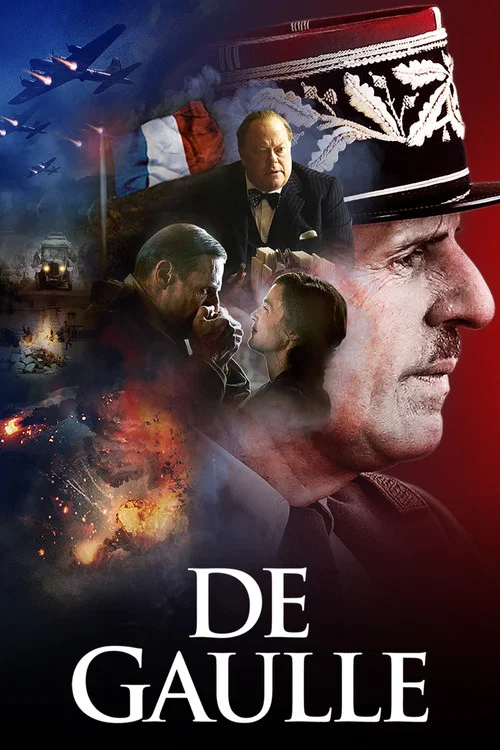
REPRESENTED HISTORY 1940
A portrait of the 1940 crisis connects national collapse with Free France.
Biographical dramatization centered on a leader, not the full spectrum of resistance.
Season 0 and specials cannot be tracked here.
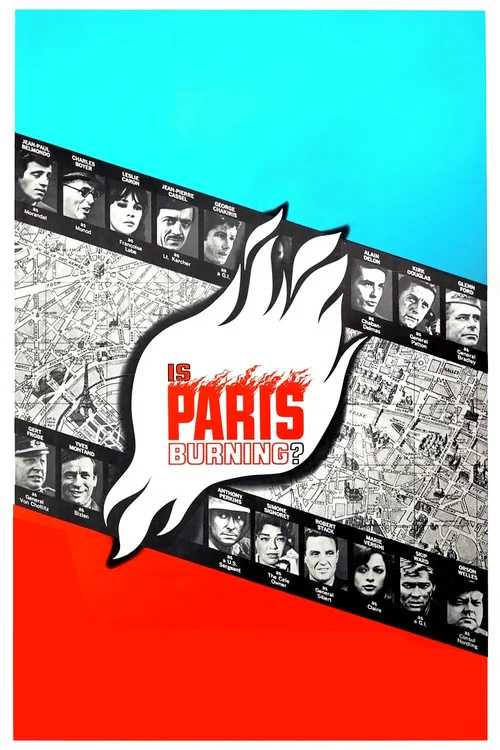
REPRESENTED HISTORY 19.08.1944 → 25.08.1944
Liberation shows the complexity of military decisions, Parisian resistance and politics.
Ensemble war drama compresses events and heroizes some participants.
Season 0 and specials cannot be tracked here.
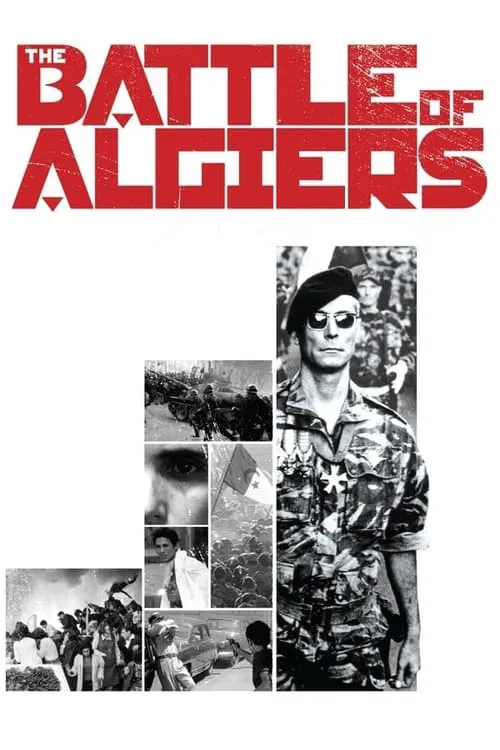
REPRESENTED HISTORY 1954 → 1957
Decolonization challenges the meaning of the French republic and its overseas empire.
A powerful political reconstruction of the Algerian struggle; broaden perspectives beyond its frame.
Season 0 and specials cannot be tracked here.
Films and dramas concentrate on selected people, settings and conflicts. They are not exhaustive, equal representations of classes, regions or communities. Compare these portrayals with historical scholarship and explore thematic Journeys across the same period.