01
HISTORICAL CONTEXT
Classical China and imperial unification
Political philosophy and the consolidation of large states. Consider the evidence and viewpoints behind the screen portrayals before continuing.
A chapter-by-chapter historical exploration from early state formation to the modern era, combining political events with social experience. Screen narratives are critically framed and ordered for understanding, not simply by production date.
Political philosophy and the consolidation of large states. Consider the evidence and viewpoints behind the screen portrayals before continuing.
500 p.n.e. → 497 p.n.e.
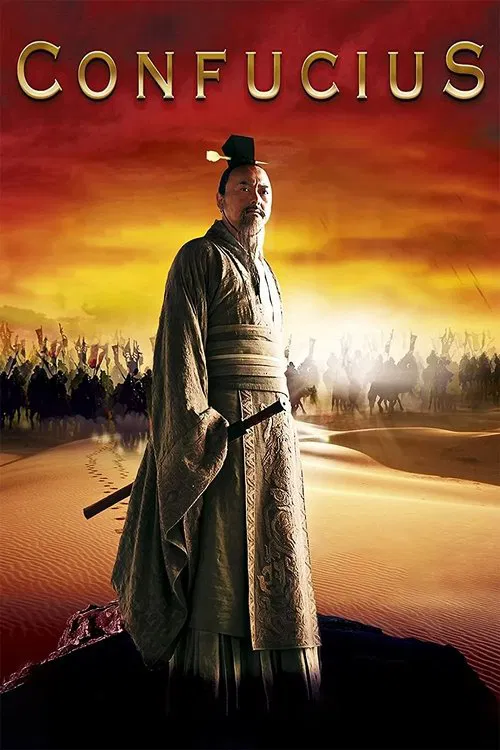
REPRESENTED HISTORY 500 p.n.e. → 497 p.n.e.
A philosopher’s life opens questions about statecraft, ethics and social order.
Highly dramatized biography; traditions about Confucius and precise chronology are debated.
Season 0 and specials cannot be tracked here.
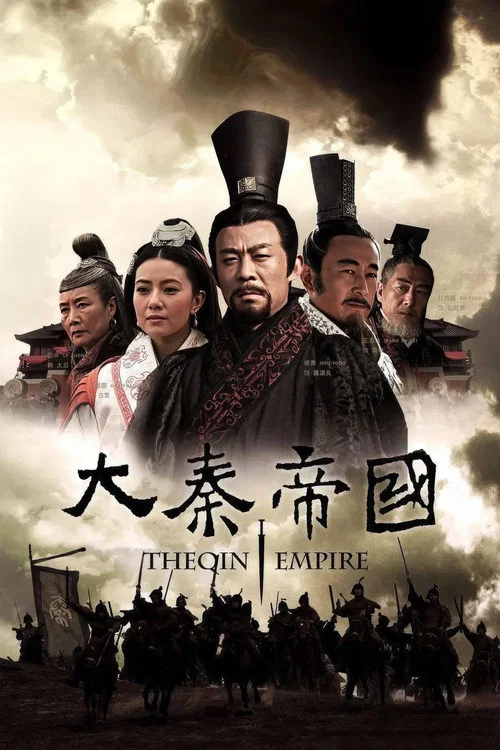
REPRESENTED HISTORY 361 p.n.e. → 221 p.n.e.
The pre-imperial wars reveal competition among states and state-building strategies.
Historical TV epic with dramatized events and a focus on Qin viewpoints.
Season 0 and specials cannot be tracked here.
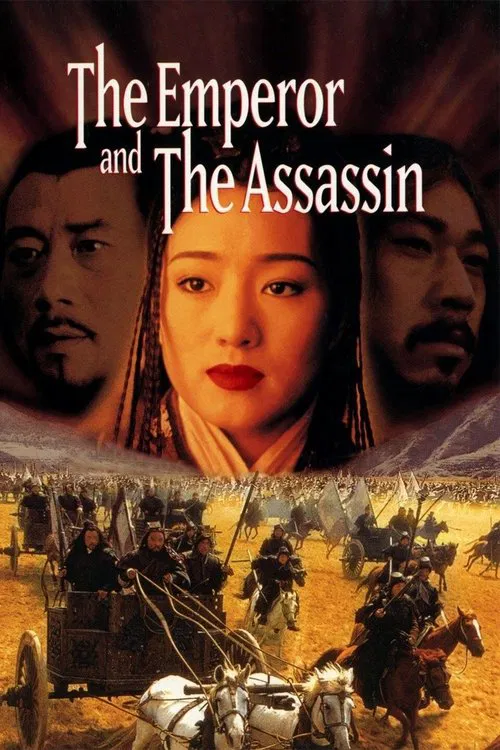
REPRESENTED HISTORY 227 p.n.e. → 221 p.n.e.
The Qin conquest dramatizes the political violence surrounding unification.
Epic retelling of an assassination plot; personal motives are speculative.
Season 0 and specials cannot be tracked here.
Fragmentation, military rivalry and the development of imperial society. Consider the evidence and viewpoints behind the screen portrayals before continuing.
208
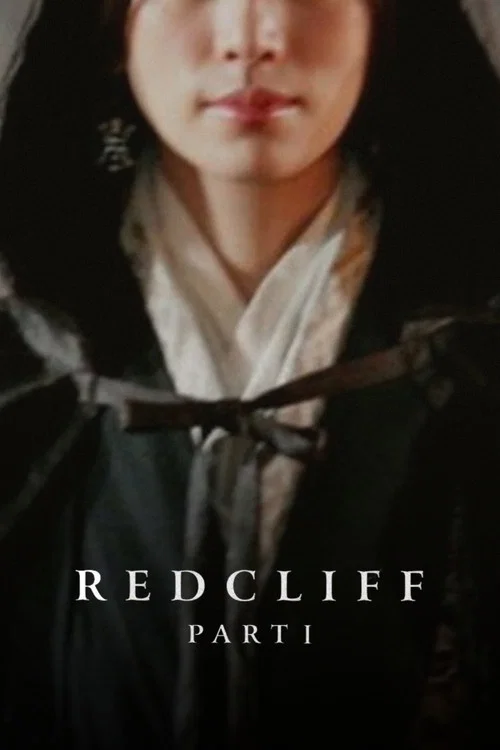
REPRESENTED HISTORY 208
The crisis at the end of Han rule shows competing leaders and strategy.
Romance of the Three Kingdoms traditions shape characterizations; not a transcript of battle.
Season 0 and specials cannot be tracked here.
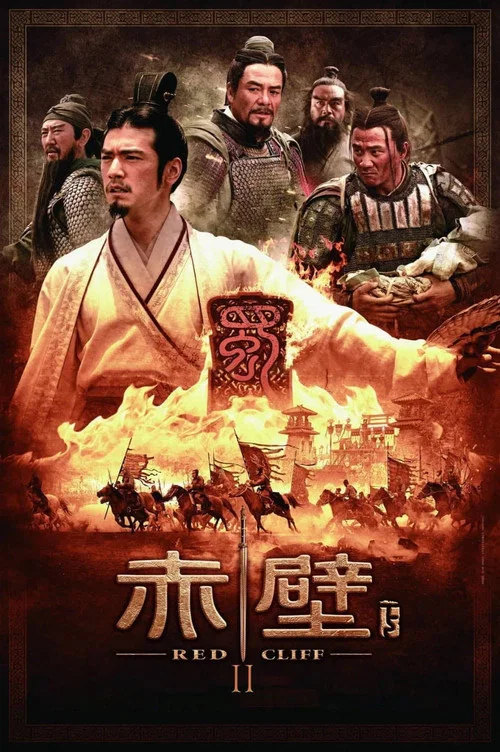
REPRESENTED HISTORY 208 → 209
The campaign reaches its climax and shows the scale of alliance warfare.
Direct continuation of Red Cliff, with extensive fictionalization of battlefield action.
Season 0 and specials cannot be tracked here.
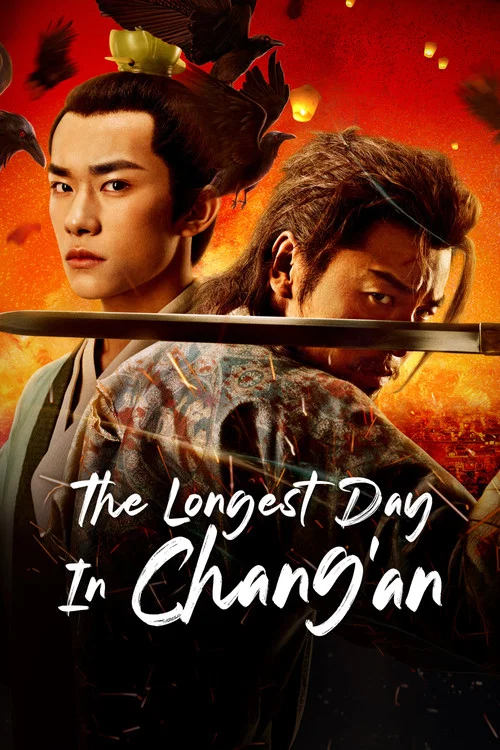
REPRESENTED HISTORY 744
An urban thriller provides a sense of Tang-era administration and city life.
Fictional espionage plot; best read for its attempt at urban setting, not its central conspiracy.
Season 0 and specials cannot be tracked here.
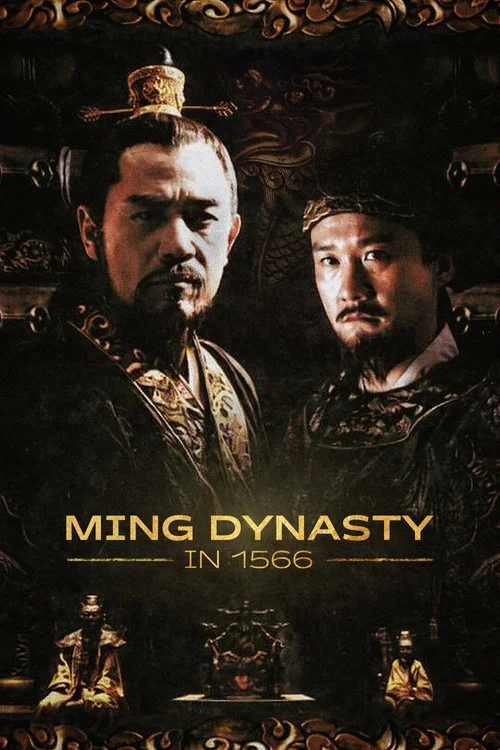
REPRESENTED HISTORY 1560 → 1566
Financial stress and imperial bureaucracy reveal complexities of Ming governance.
An unusually institutional drama, but dialogue and personal conflict remain written fiction.
Season 0 and specials cannot be tracked here.
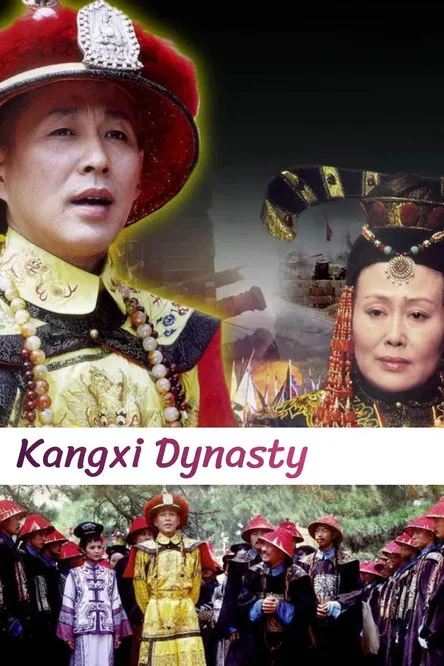
REPRESENTED HISTORY 1661 → 1722
Early Qing consolidation follows a ruler amid changing ethnic and political balances.
An imperial-centered epic with interpretive palace politics.
Season 0 and specials cannot be tracked here.
Trade conflict, modernization and the end of dynastic rule. Consider the evidence and viewpoints behind the screen portrayals before continuing.
1839 → 1842
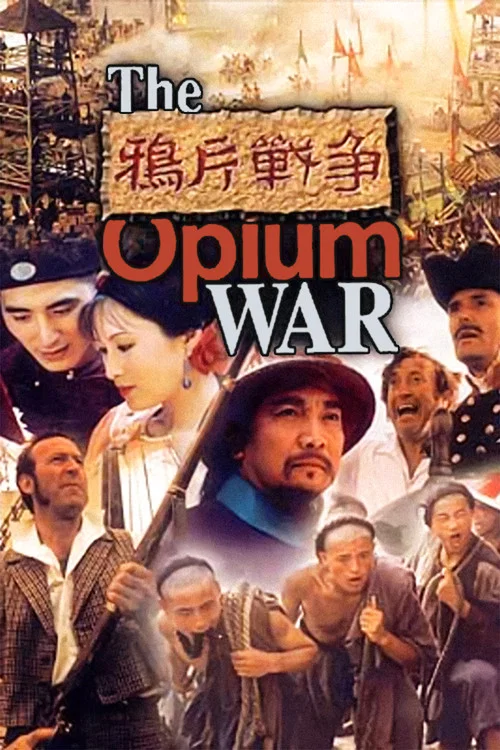
REPRESENTED HISTORY 1839 → 1842
The 1839 conflict introduces coercive trade and imperial confrontation.
A Chinese-centered historical retelling, shaped by national memory.
Season 0 and specials cannot be tracked here.
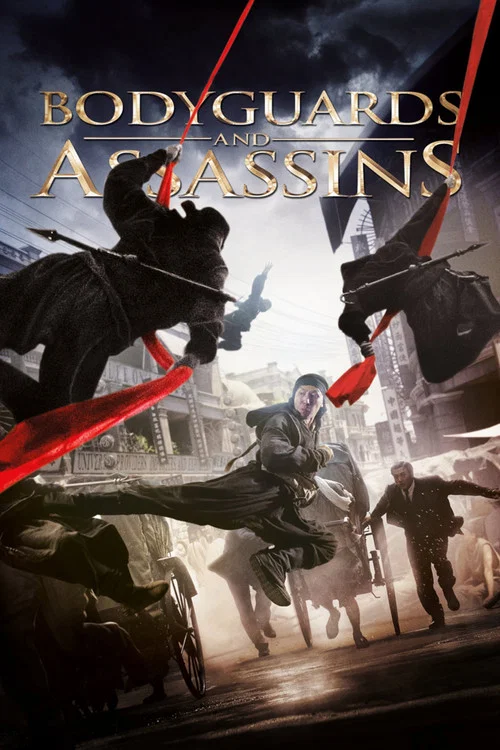
REPRESENTED HISTORY 1905
Revolutionary mobilization evokes the closing years of Qing rule.
Action fiction built around a historical political movement.
Season 0 and specials cannot be tracked here.
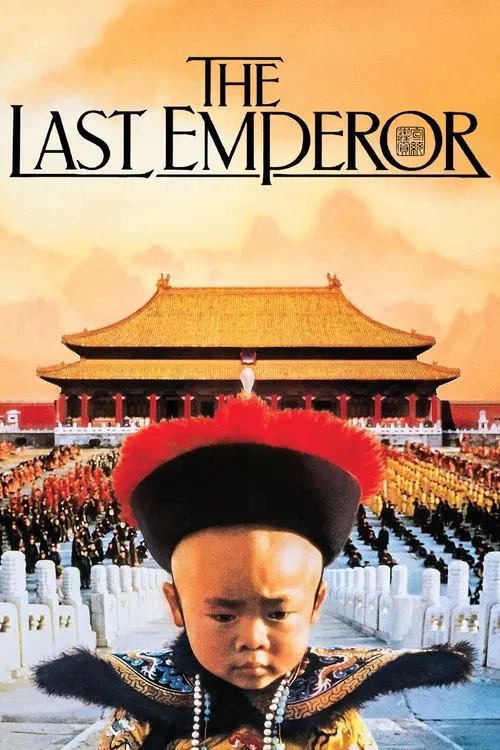
REPRESENTED HISTORY 1908 → 1967
Puyi’s life bridges the Qing court, Japanese occupation and Communist China.
A stylized biographical epic; complex politics pass through a single life.
Season 0 and specials cannot be tracked here.
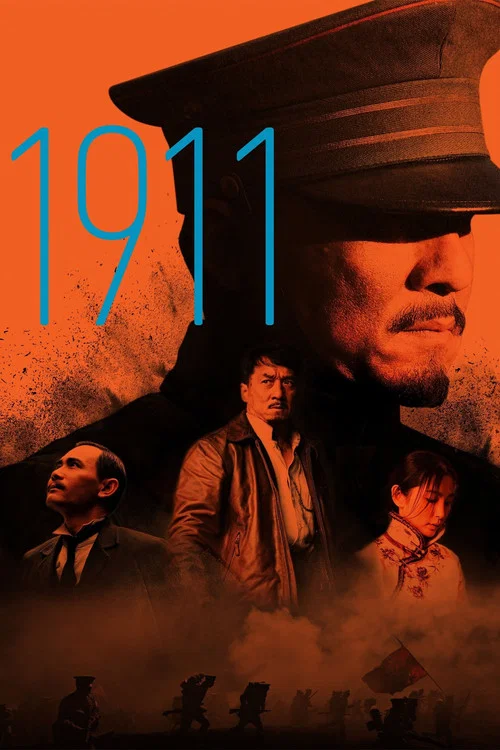
REPRESENTED HISTORY 1911
The republican revolution presents the collapse of the imperial order.
Patriotic dramatization emphasizing selected revolutionary figures.
Season 0 and specials cannot be tracked here.
National survival, civil war and transformations of everyday life. Consider the evidence and viewpoints behind the screen portrayals before continuing.
1937
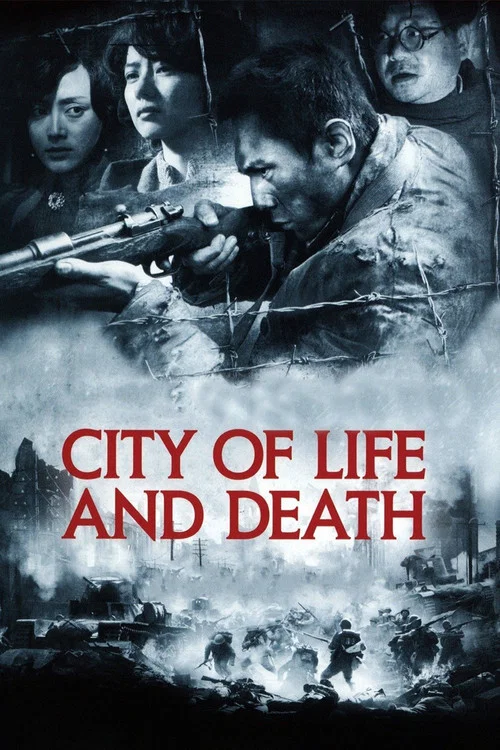
REPRESENTED HISTORY 1937
The Nanjing atrocities place civilian victims and war crimes at the narrative center.
A powerful dramatic reconstruction; composed characters represent many experiences.
Season 0 and specials cannot be tracked here.
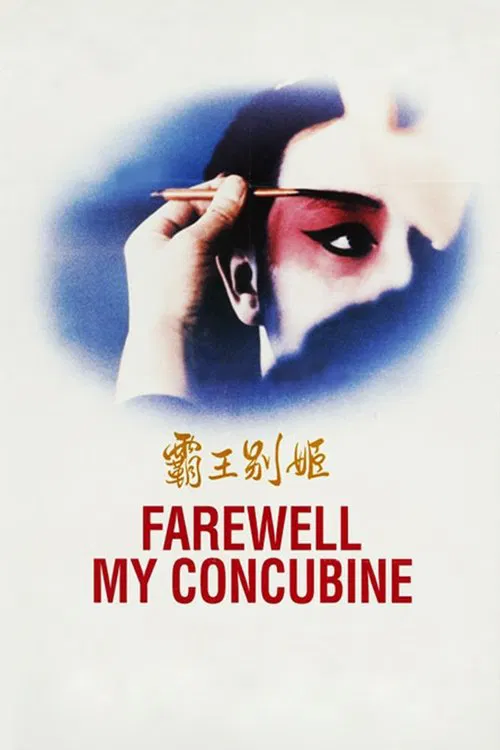
REPRESENTED HISTORY 1924 → 1977
A performing-arts milieu witnesses decades of political upheaval.
A fictional story spanning multiple regimes; invaluable social texture, not event chronology.
Season 0 and specials cannot be tracked here.
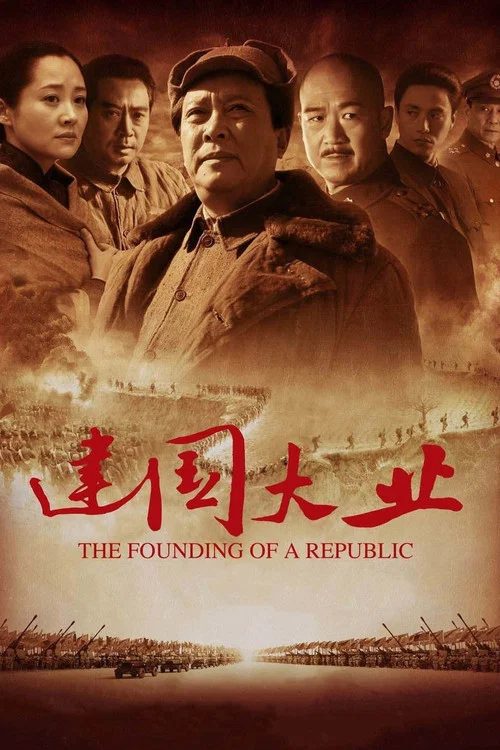
REPRESENTED HISTORY 1945 → 1949
1949 marks a change in state power and political institutions.
A state-sponsored narrative weighted toward the Communist Party’s interpretation.
Season 0 and specials cannot be tracked here.
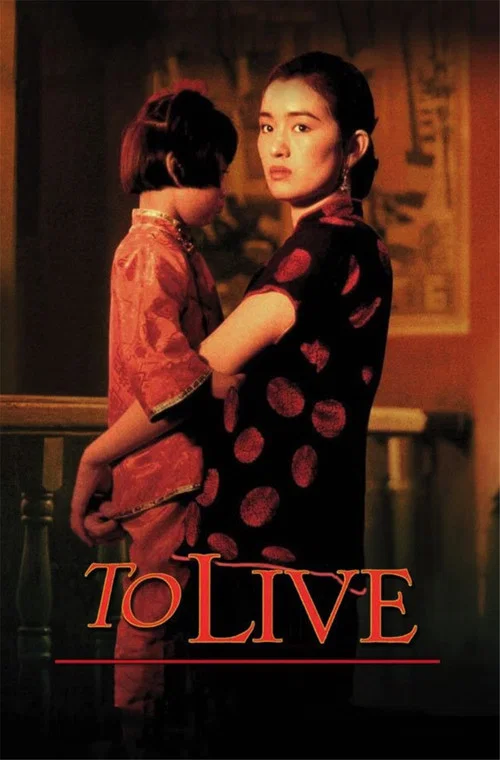
REPRESENTED HISTORY 1940 → 1966
An ordinary family experiences civil conflict and Mao-era upheavals.
Fictional adaptation valued for social impact, rather than official political narrative.
Season 0 and specials cannot be tracked here.
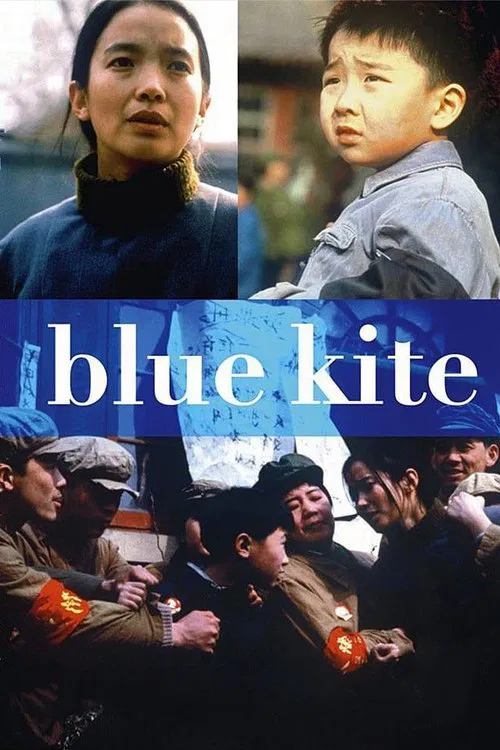
REPRESENTED HISTORY 1953 → 1966
Family life reveals the human consequences of political campaigns.
A fictional critique of mass politics that needs wider historical context.
Season 0 and specials cannot be tracked here.
Films and dramas concentrate on selected people, settings and conflicts. They are not exhaustive, equal representations of classes, regions or communities. Compare these portrayals with historical scholarship and explore thematic Journeys across the same period.