01
HISTORICAL CONTEXTHistorical introduction
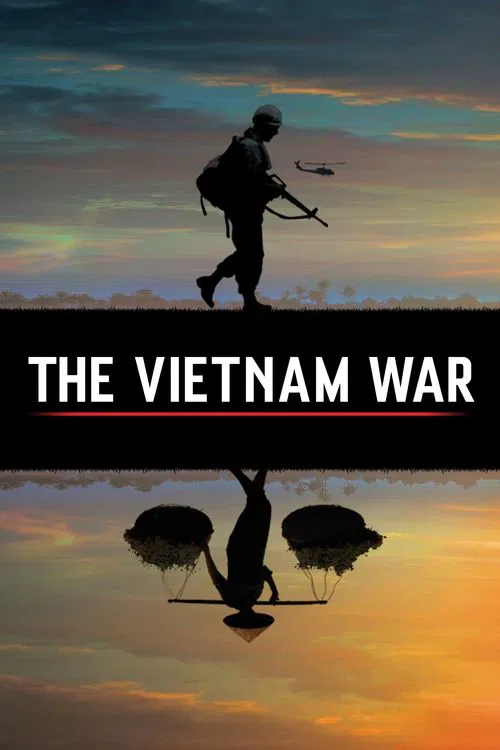
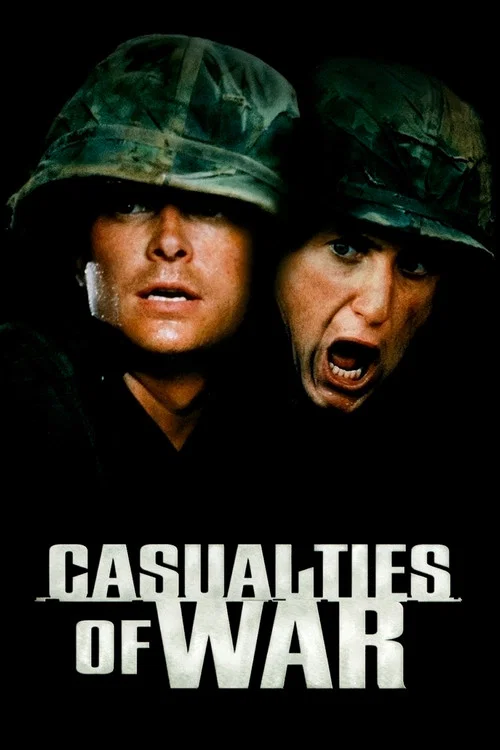
The war cannot be reduced to American combat experiences. French decolonization, the division of Vietnam, North and South Vietnamese perspectives, and the fate of civilians are essential. Films focus on particular units, incidents or families; the documentary supplies broader chronology.
02
HISTORICAL CONTEXTFrom decolonization to partition · 1945–1954
The August Revolution, French return, First Indochina War and the Geneva settlement established conditions for subsequent conflict. Most available dramas start later; use historical context before the combat films.
04
HISTORICAL CONTEXTUS escalation and conventional combat · 1964–1965
American military commitment expanded during 1964–65. Individual battles are only one aspect of the multi-front conflict.
06
HISTORICAL CONTEXTCivilian harm, military ethics and war experience · 1966–1969
Military violence, forced displacement, and civilian life need attention alongside battlefield narratives.
09
HISTORICAL CONTEXTDecision-making and escalating costs · 1960s–1970s
Political decisions in Washington, Hanoi and Saigon interacted with public opinion, conscription, censorship and strategic stalemate.
11
HISTORICAL CONTEXTVietnamese lives, war’s end and its aftermath · 1950s–1980s
The 1973 agreements did not end combat; Saigon fell in 1975. People continued to live with loss, displacement and political consequences long afterward.