Revolution is not the same as Empire
The French Revolution began in 1789; Napoleon became emperor in 1804. Republic, terror, consulate and empire are separate phases. Popular films often turn collective transformations into one man’s biography.
A chaptered route combining core events with social and civilian perspectives, cultural memory and clear cautions about dramatic invention. Revolution reshapes Europe.
The French Revolution began in 1789; Napoleon became emperor in 1804. Republic, terror, consulate and empire are separate phases. Popular films often turn collective transformations into one man’s biography.
1789
REPRESENTED HISTORY 1789
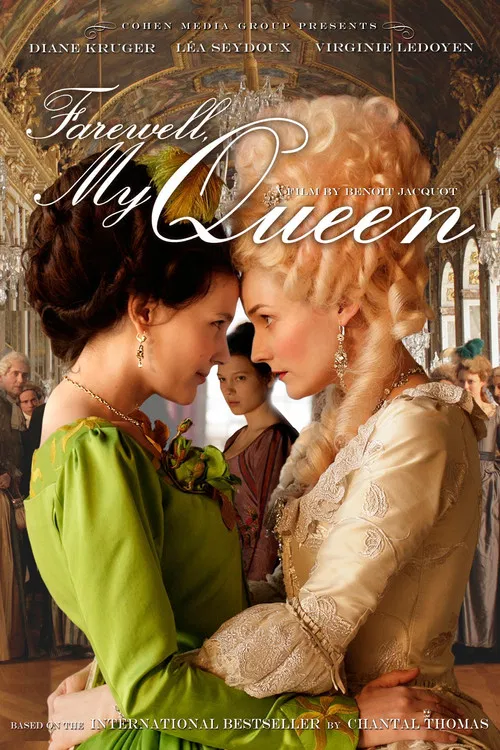
Enter the crisis of the French monarchy through a court household in July 1789.
The characters are partly fictional; the film captures the break with Versailles without covering the entire Revolution.
Season 0 and specials cannot be tracked here.
REPRESENTED HISTORY 1789 → 1794
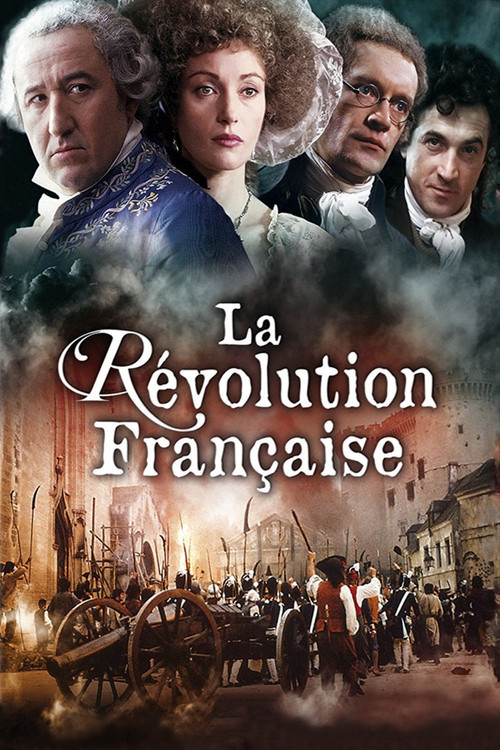
Establish the collapse of the old regime before Napoleon’s rise.
The 1989 dramatization covers major revolutionary turning points but condenses political alignments and crowds.
Season 0 and specials cannot be tracked here.
REPRESENTED HISTORY 1793 → 1794
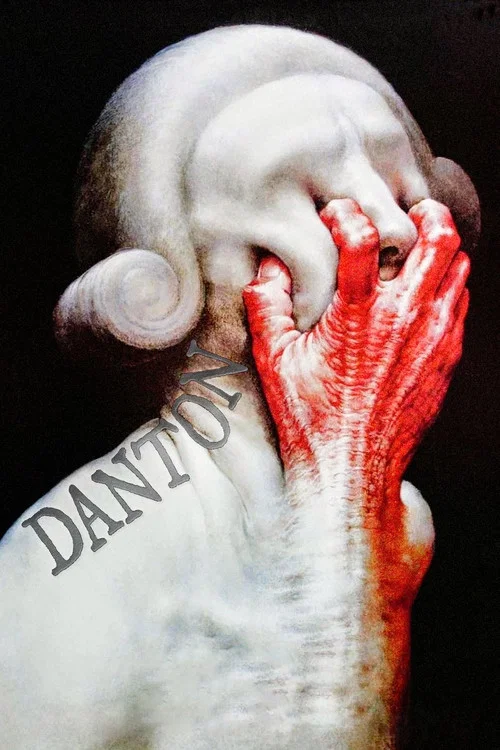
Observe rivalry inside the revolutionary government and the turn to the Terror.
Danton was executed in April 1794; Wajda’s film is a political interpretation of 1793–94 rather than stenography.
Season 0 and specials cannot be tracked here.
1800 → 1816
REPRESENTED HISTORY 1800 → 1816
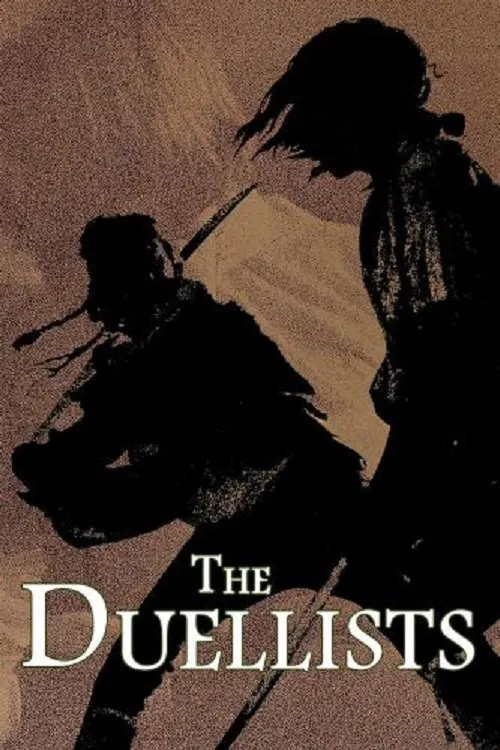
Follow army officers across shifting regimes and the social codes of the Napoleonic era.
Based on Conrad fiction, its long-running duel is invented; uniforms and military milieu offer period context.
Season 0 and specials cannot be tracked here.
REPRESENTED HISTORY 15.08.1769 → 05.05.1821
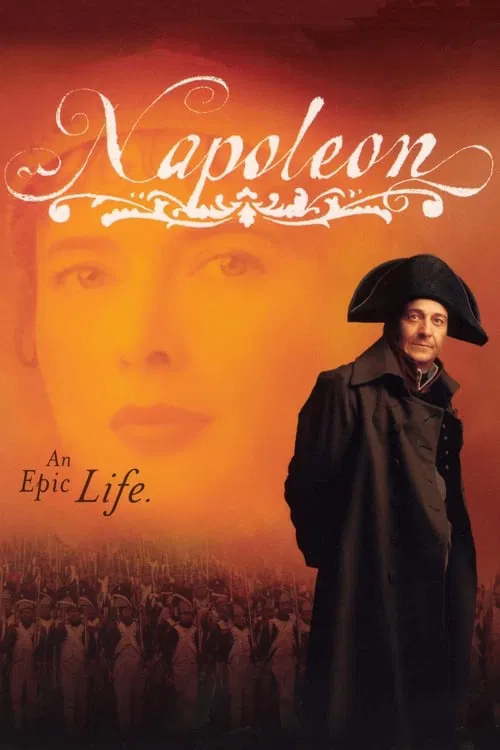
Follow Bonaparte from military advancement to imperial government and defeat.
The miniseries compresses 1795–1821; use it as a broad overview, not an exact account of each campaign.
Season 0 and specials cannot be tracked here.
1804 → 1805
REPRESENTED HISTORY 1804 → 1805
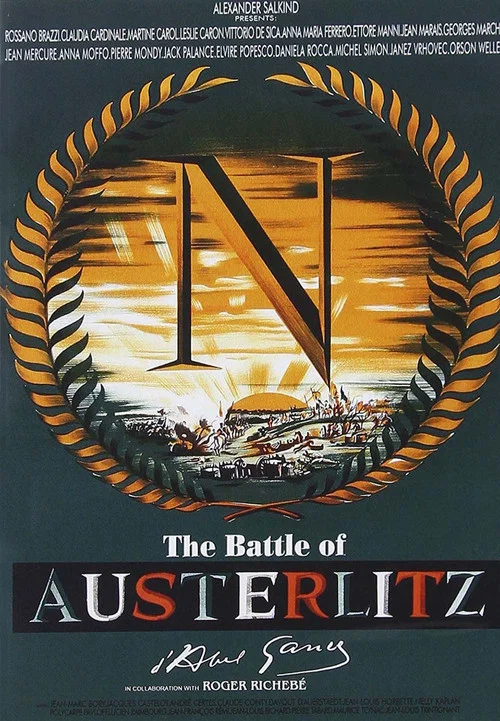
Focus on the Third Coalition and Napoleon’s 1805 battlefield victory.
The Battle of Austerlitz was fought 2 December 1805; the film stages diplomacy and battle from a selective viewpoint.
Season 0 and specials cannot be tracked here.
REPRESENTED HISTORY 1805
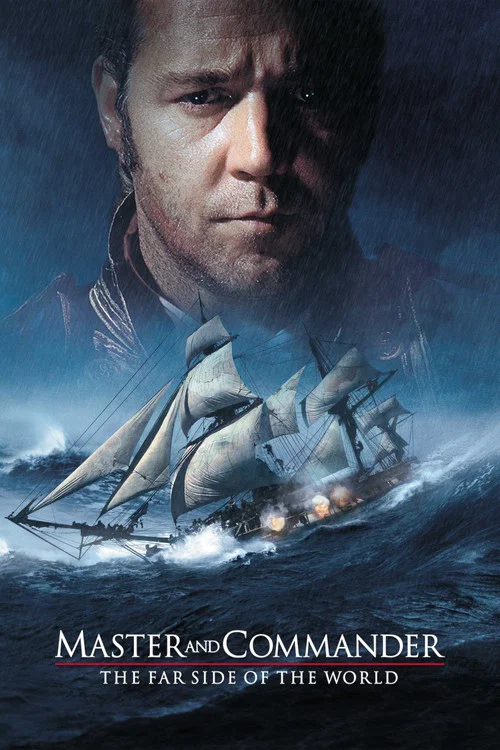
Take the maritime dimension of Napoleonic war beyond the imperial capital.
The 1805 pursuit is fictional and adapted from several O’Brian novels; naval practice is more useful than exact event claims.
Season 0 and specials cannot be tracked here.
02.05.1808
REPRESENTED HISTORY 02.05.1808
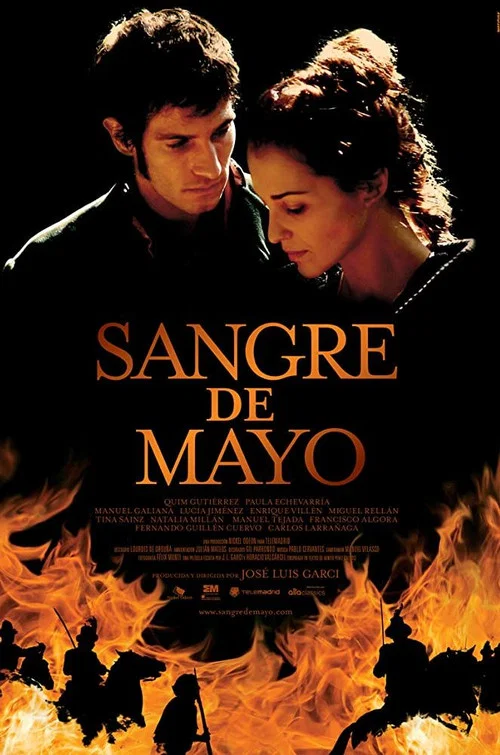
See resistance in Madrid during the French occupation of Spain.
The uprising of 2 May 1808 was real; this adaptation dramatizes popular resistance through fictional lives.
Season 0 and specials cannot be tracked here.
REPRESENTED HISTORY 1803 → 1818
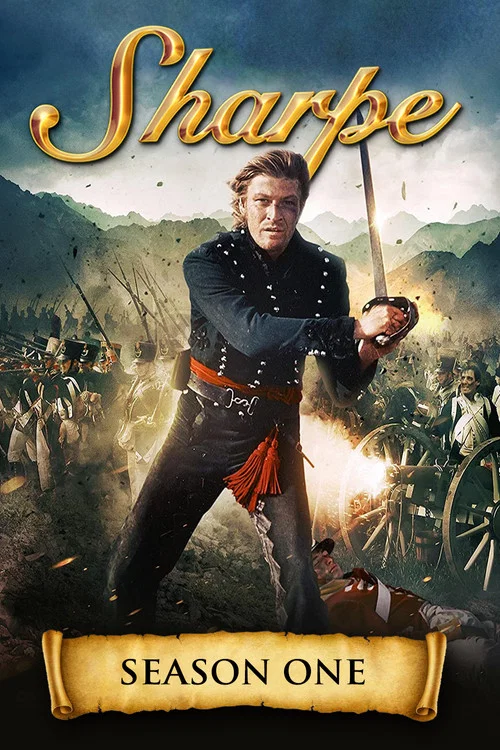
Experience the Peninsular War through an infantry officer rather than an emperor.
The fictional Sharpe adventures are set amid real 1809–10 campaigning; military hierarchy and logistics matter more than individual plots.
Season 0 and specials cannot be tracked here.
REPRESENTED HISTORY 1805 → 1812
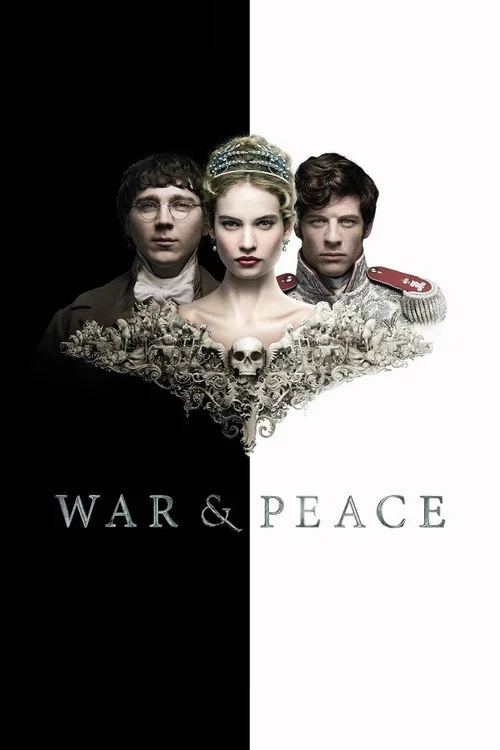
Enter the Russian campaign and its consequences for elites and civilians.
Tolstoy’s characters are fictional, but the 1805–12 wars and Napoleon’s invasion provide a coherent historical background.
Season 0 and specials cannot be tracked here.
REPRESENTED HISTORY 1795 → 1812
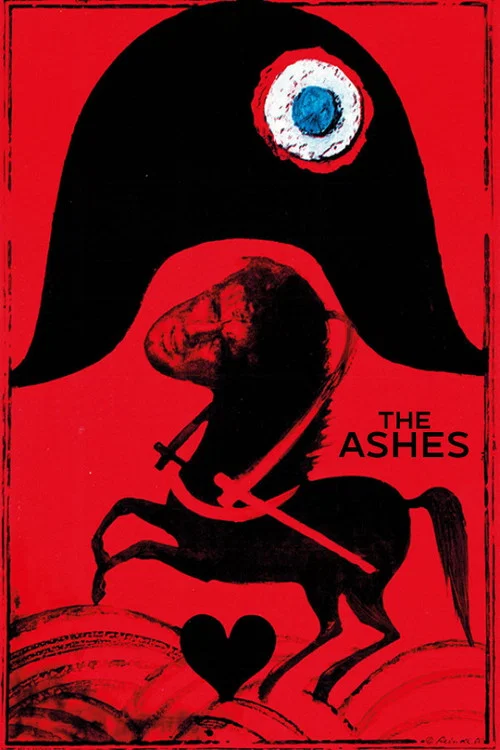
Consider how Napoleonic-era promises shaped later Polish memory and disappointment.
Wajda’s adaptation, set in the Legions and campaigns, uses fictional stories to critique the costs of national hopes.
Season 0 and specials cannot be tracked here.
15.06.1815 → 18.06.1815
REPRESENTED HISTORY 15.06.1815 → 18.06.1815
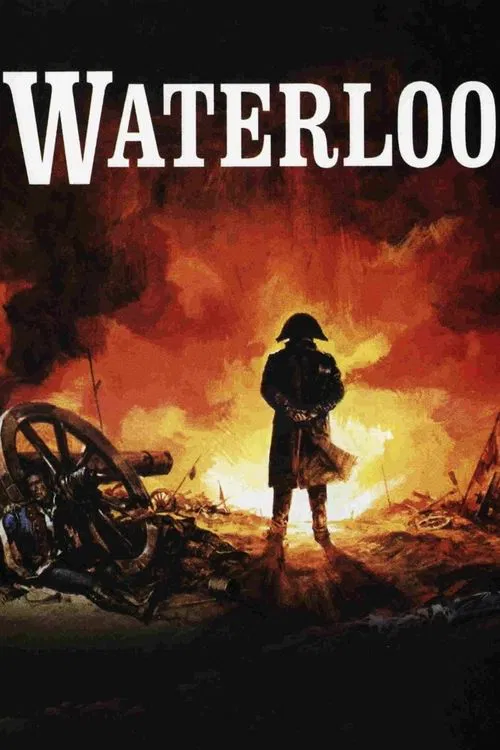
Finish Napoleon’s military story with the campaign of June 1815.
Waterloo was fought on 18 June 1815; the large-scale film is unusually strong on formations but necessarily compresses political and operational context.
Season 0 and specials cannot be tracked here.
REPRESENTED HISTORY 1815 → 1845
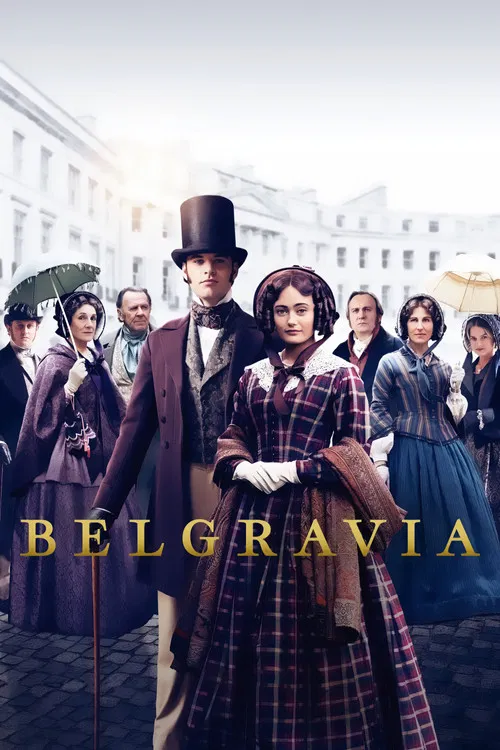
End with a society shaped by the battle and the new European order.
Its opening begins at a ball before Waterloo in 1815, but the miniseries is later-set social fiction rather than a campaign history.
Season 0 and specials cannot be tracked here.
Napoleon’s defeat in June 1815 began a new diplomatic settlement under the Congress of Vienna; liberal and national struggles persisted. Continue with nineteenth-century France, European revolutions and the histories of affected states.