← Byzantine EmpireCOMPREHENSIVE · WATCH GUIDE

Byzantine Empire — Comprehensive

3911453

Extended thematic chapters, including alternative viewpoints and optional screen depictions; factual gaps are identified rather than filled with unrelated media.

5 titles≥ 2.1 known hours · 1 titles have no runtime2 films · 0 documentaries · 0 series/episodes
01
HISTORICAL CONTEXT

Roman East, Alexandria and religious transformations · c. 330–450

Constantinople was inaugurated in 330. The Eastern Roman Empire maintained Roman political institutions while Christianity and Greek-speaking urban culture developed; late Roman Alexandria illustrates religious conflicts within this wider eastern world.

01
HISTORICAL CHAPTER

Roman East, Alexandria and religious transformations · c. 330–450

391 → 415

02
Poster: Agora
Essential

Agora

2009moviefiction

REPRESENTED HISTORY 391 → 415

Why watch here

Depicts intellectual and religious struggles in late Roman Alexandria around the time of Hypatia.

Set in Roman Egypt, not Constantinople; its invented personal story and explanations of religious violence are contested.

127 minIMDb 7.1 · 77.2K votes

Season 0 and specials cannot be tracked here.

03
HISTORICAL CONTEXT

Justinian, iconoclasm and imperial survival · c. 527–1025

The reign of Justinian, wars in Italy and North Africa, the plague, iconoclasm and later Macedonian-era recovery were central to Byzantine history. No sufficiently direct screen title covering these developments appears in the supplied library.

04
HISTORICAL CONTEXT

Crusades, 1204 and the shrinking empire · c. 1025–1261

Civil conflicts, relations with neighboring states, the Fourth Crusade’s capture of Constantinople in 1204 and restoration in 1261 reshaped the empire. This is a catalog gap, not an invitation to place unrelated Crusader films here.

05
HISTORICAL CONTEXT

The Ottoman siege and the last emperors · 1400–1453

By the fifteenth century the empire was territorially reduced. Ottoman ascendancy and the defense of Constantinople culminated in its fall in May 1453. Modern reconstructions here are largely from Ottoman viewpoints.

02
HISTORICAL CHAPTER

The Ottoman siege and the last emperors · 1400–1453

1451 → 1453

06
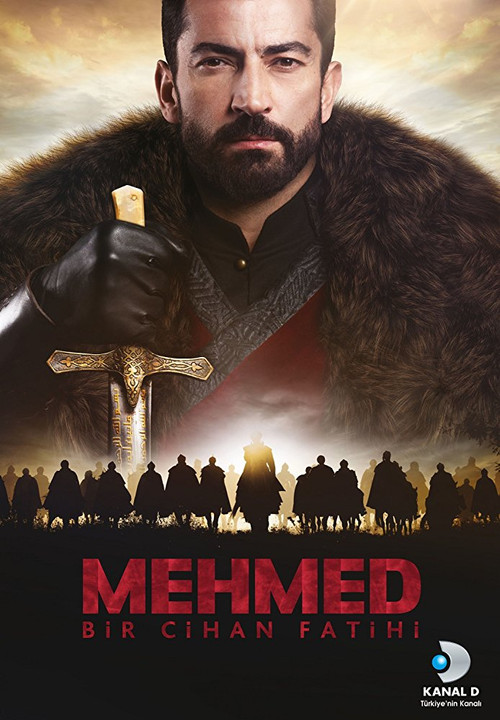
Poster: Mehmed: The Conqueror — Season 1
Optional

Mehmed: The Conqueror — Season 1

2018seasonfiction

REPRESENTED HISTORY 1451 → 1453

Why watch here

Follows Ottoman Mehmed II and the struggle over Constantinople, useful for the geopolitical setting of the final Byzantine years.

Season-one Turkish historical drama told primarily from the conqueror’s viewpoint; use as a companion, not a neutral Byzantine history.

Season 0 and specials cannot be tracked here.

07
Poster: Mehmed: Sultan of Conquests — Season 1
Optional

Mehmed: Sultan of Conquests — Season 1

2024seasonfiction

REPRESENTED HISTORY 1451 → 1452

Why watch here

Shows Mehmed II’s rise and the military-political contest surrounding the late Byzantine capital.

First season only; dramatization, national framing and unclear access to Byzantine voices.

Season 0 and specials cannot be tracked here.

08
Poster: Rise of Empires: Ottoman — Season 1
Essential

Rise of Empires: Ottoman — Season 1

2020seasondocudrama

REPRESENTED HISTORY 1453

Why watch here

Docudrama-focused account of the 1453 siege and the Byzantine defenders, including Constantine XI.

Season one of Rise of Empires: Ottoman; dramatized and Ottoman-centered, not definitive on siege details.

Season 0 and specials cannot be tracked here.

09
Poster: Fetih 1453
Optional

Fetih 1453

Conquest 1453
2012moviefiction

REPRESENTED HISTORY 1451 → 1453

Why watch here

Adds a feature-film staging of the Ottoman conquest and the final defense of the Byzantine capital.

A patriotic historical epic with highly selective Byzantine characterization; optional comparison rather than independent confirmation.

160 minIMDb 6.4 · 60.1K votes

Season 0 and specials cannot be tracked here.

10
HISTORICAL CONTEXT

After 1453: legacy and memory

The conquest did not erase Byzantine religious traditions, institutions, art or scholarship. The modern films above tend to frame this as an Ottoman origin story; fuller Byzantine perspectives remain a priority for the library.
Watch next