01
CONTEXTE HISTORIQUE
Court and medieval warriors
Court patronage and the rising prominence of military clans. Consider the evidence and viewpoints behind the screen portrayals before continuing.
Move from medieval court society and warrior elites through Sengoku conflict, Tokugawa rule, the upheavals of nineteenth-century modernization, imperial expansion and postwar reckoning. Stylized samurai classics are used with explicit cautions; this is a political history rather than the separate future Era Immersion path Feudal Japan.
A focused itinerary through the pivotal transformations in Japan. Includes deliberately selected film and series perspectives; context notes identify dramatization and missing viewpoints.
Court patronage and the rising prominence of military clans. Consider the evidence and viewpoints behind the screen portrayals before continuing.
1159 → 1160
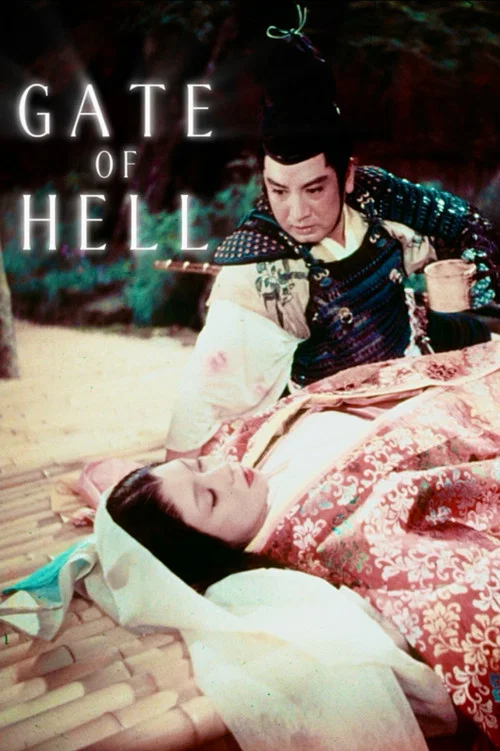
HISTOIRE REPRÉSENTÉE 1159 → 1160
Courtly life in the twelfth century introduces a world before mature shogunal rule.
Melodramatic storytelling; costumes and rituals serve the film’s aesthetics.
War, diplomacy and the making of Tokugawa rule. Consider the evidence and viewpoints behind the screen portrayals before continuing.
1551 → 1600
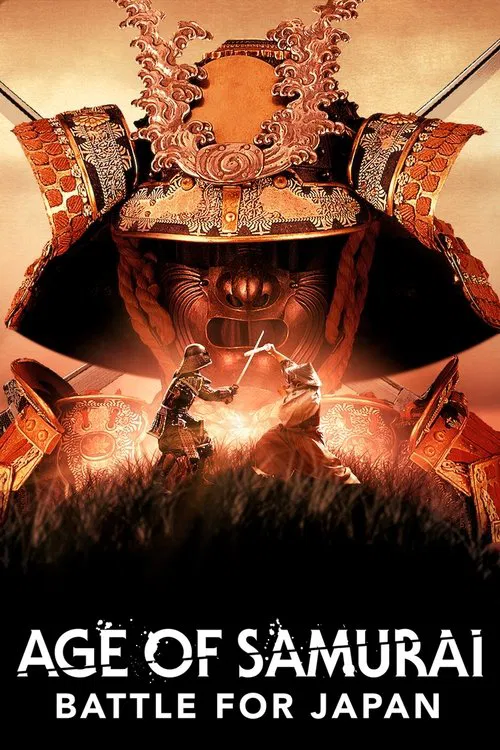
HISTOIRE REPRÉSENTÉE 1551 → 1600
Documentary reconstructions introduce the struggles among Sengoku warlords.
Broad overview blending expert commentary with dramatic reenactments.
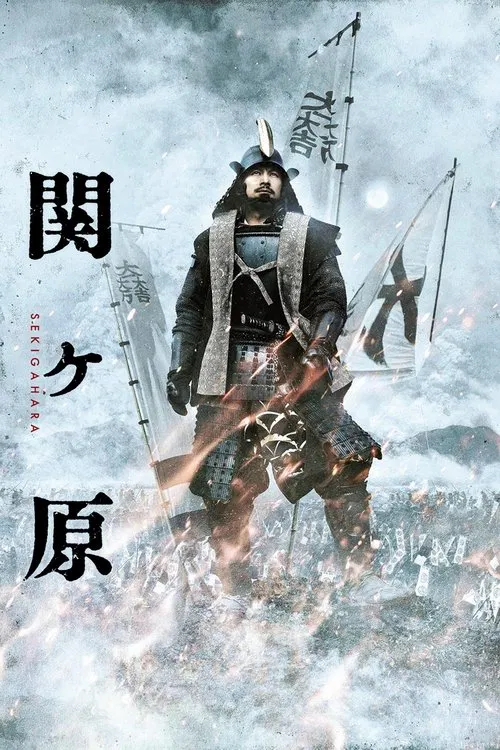
HISTOIRE REPRÉSENTÉE 1600
The 1600 struggle for control leads toward Tokugawa hegemony.
An interpretive military narrative with compressed rival political visions.
The end of shogunal rule and contested reform. Consider the evidence and viewpoints behind the screen portrayals before continuing.
1860 → 1867
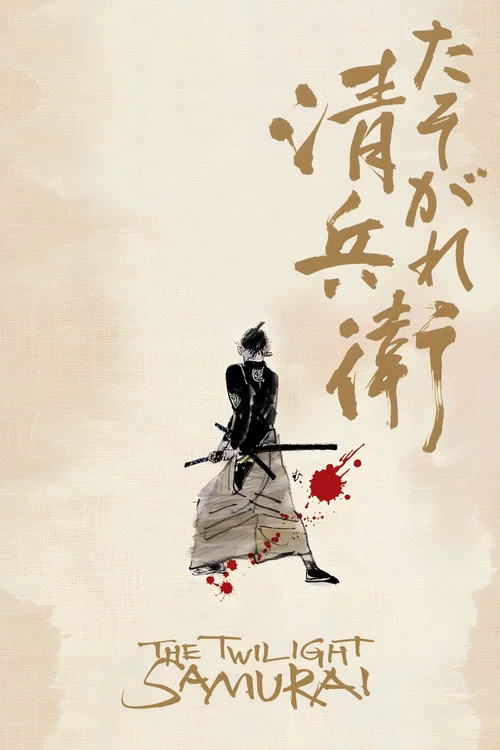
HISTOIRE REPRÉSENTÉE 1860 → 1867
Lower-ranking samurai family life evokes the final years of the old order.
Fictional small-scale social portrait rather than a campaign history.
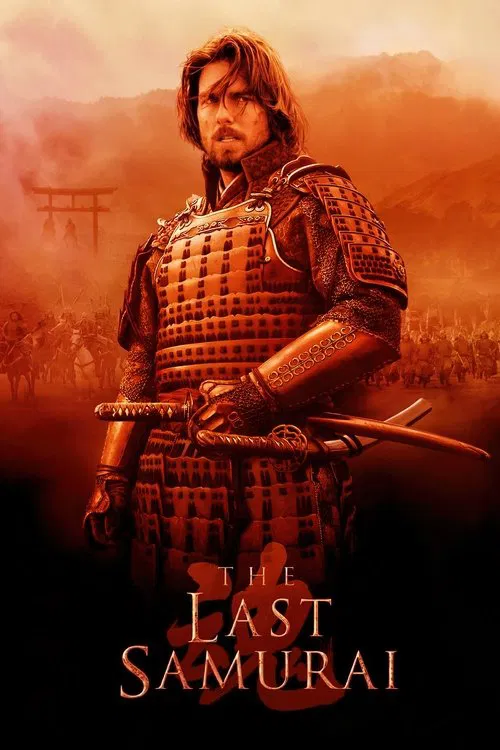
HISTOIRE REPRÉSENTÉE 1876 → 1877
The fall of the warrior class and resistance to the Meiji state are rendered as a western-facing story.
Major invented characters, simplifications and Orientalist framing; useful only with explicit caution.
Militarism, civilian suffering, defeat and postwar justice. Consider the evidence and viewpoints behind the screen portrayals before continuing.
1943 → 1945

HISTOIRE REPRÉSENTÉE 1943 → 1945
Civilian life and household routines foreground war beyond the battlefield.
Animated fictional story researched for everyday detail, but not a personal memoir.
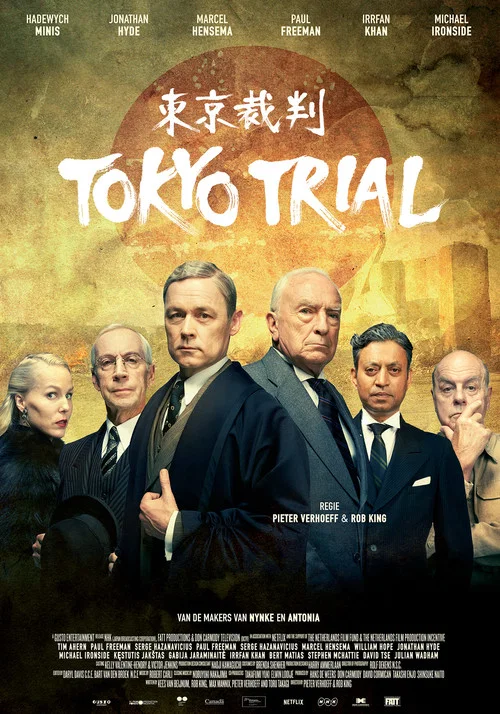
HISTOIRE REPRÉSENTÉE 1946 → 1948
International proceedings illuminate early postwar accountability.
A historical miniseries with selective case coverage and courtroom dramatization.
Films and dramas concentrate on selected people, settings and conflicts. They are not exhaustive, equal representations of classes, regions or communities. Compare these portrayals with historical scholarship and explore thematic Journeys across the same period.