Warrior culture and war-torn landscapes
Explore the architecture of castles, villages and fortifications, as well as armor, clan insignia and military hierarchy. These films dramatize the Sengoku era and the transition toward Tokugawa rule.
Explore the social atmosphere of pre-modern Japan through Sengoku conflict, Edo-period social hierarchy, temples, castles and village economies. The route favors tangible settings, clothing, rituals, household structures and class tensions over exact reconstruction of the fictional plots. Films span several centuries; aesthetics, warfare and social organization changed across the periods.
A concise way to feel the era through its settings, fashions, social codes and physical spaces.
Explore the architecture of castles, villages and fortifications, as well as armor, clan insignia and military hierarchy. These films dramatize the Sengoku era and the transition toward Tokugawa rule.
1600
HISTOIRE REPRÉSENTÉE 1600
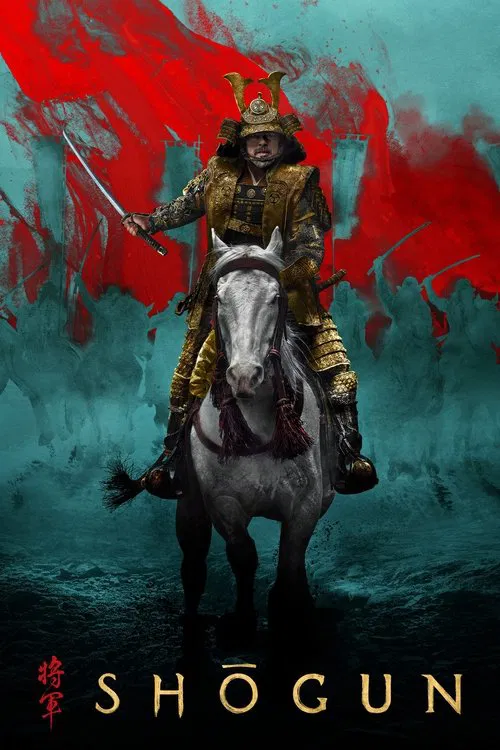
An immersive reconstruction of elite households, ceremonies, dress, gardens and political life around 1600, although the characters and plotting are dramatized.
Era Immersion lens: assess warrior culture and war-torn landscapes via costumes, interior design, streets, social relations and practical routines. Plot dramatization should not be mistaken for documentary evidence.
Se connecter pour suivre la progressionCompare elite households with lower-ranking samurai, religious minorities and people constrained by clan authority. Observe household interiors, etiquette, labor and practical social obligations, not just fighting.
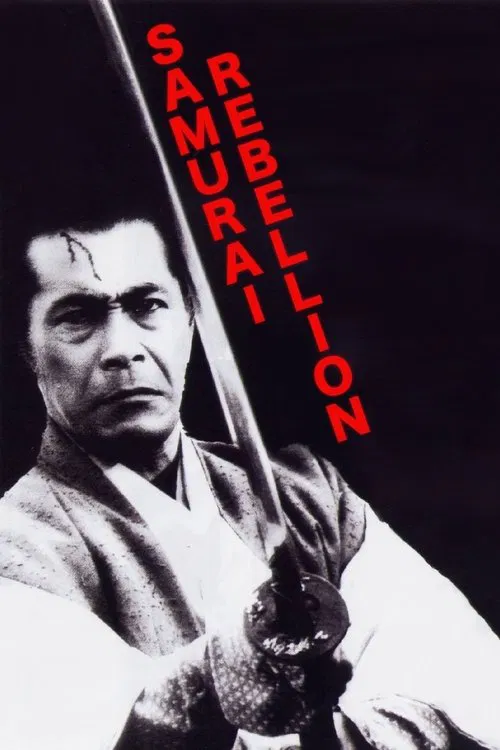
1630
HISTOIRE REPRÉSENTÉE 1630
Sparse architecture, household poverty and rigid codes reveal everyday social pressure in the early Edo order.
Era Immersion lens: assess edo households, obligations and restrictions via costumes, interior design, streets, social relations and practical routines. Plot dramatization should not be mistaken for documentary evidence.
HISTOIRE REPRÉSENTÉE 1725
An intimate depiction of clan authority, family obligations, interiors and hierarchical constraints in eighteenth-century Japan.
Era Immersion lens: assess edo households, obligations and restrictions via costumes, interior design, streets, social relations and practical routines. Plot dramatization should not be mistaken for documentary evidence.
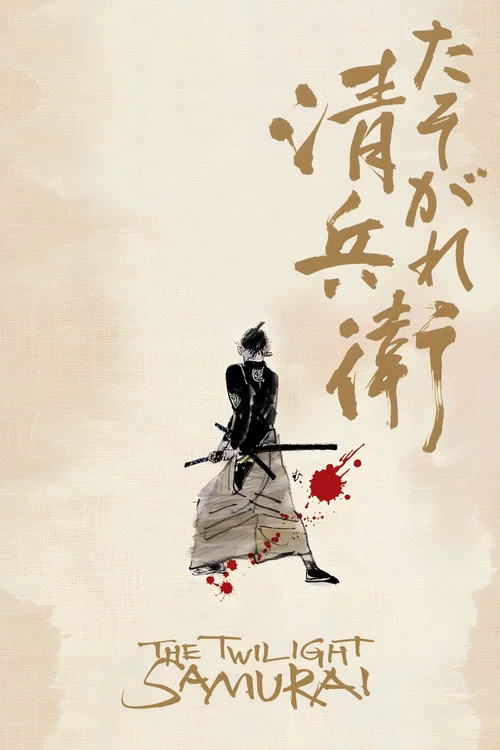
HISTOIRE REPRÉSENTÉE 1860 → 1867
A particularly grounded portrayal of a financially strained low-ranking samurai household, work, and late-Edo everyday routines.
Era Immersion lens: assess edo households, obligations and restrictions via costumes, interior design, streets, social relations and practical routines. Plot dramatization should not be mistaken for documentary evidence.
Road journeys reveal market towns, inns, commerce, class boundaries and rural life. These films depict different centuries; their clothing, buildings and social rules should not be treated as one uniform samurai age.
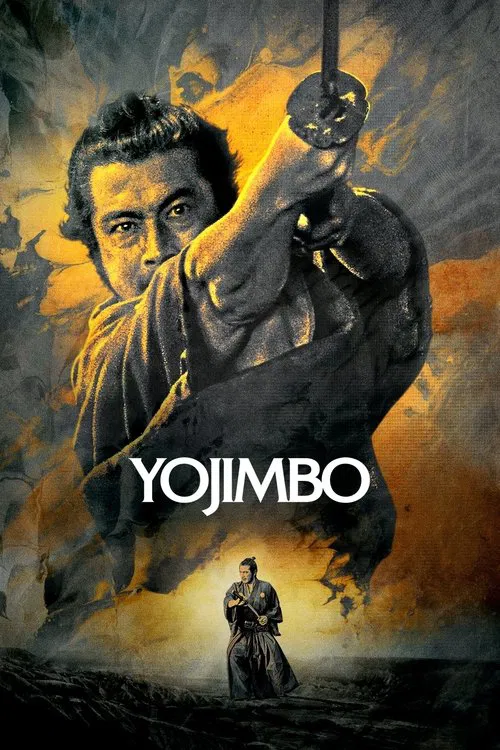
HISTOIRE REPRÉSENTÉE Non encore situé
Street layout, village commerce, travel and tensions between local groups in the late Edo setting, albeit within a highly stylized samurai story.
Era Immersion selection: judge the built environment, clothing, leisure, working routines and social rules of the depicted period, not the literal truth of the storyline.
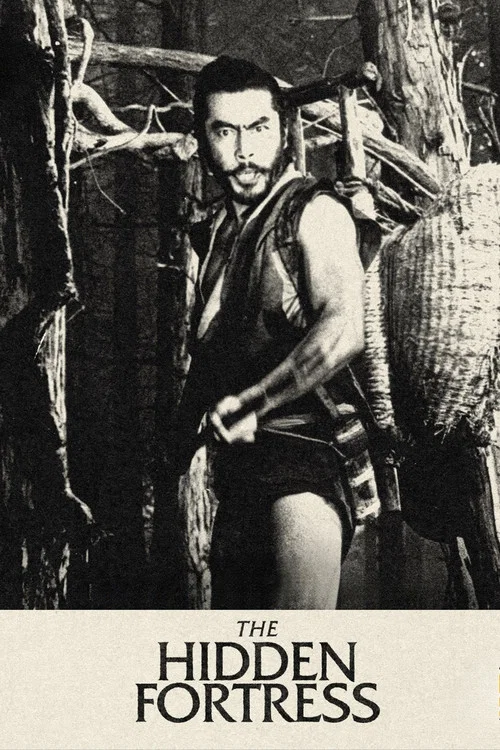
HISTOIRE REPRÉSENTÉE Non encore situé
Rural landscapes, road travel, clothing, military hierarchy and movement between provinces; adventure plot is fictional.
Era Immersion selection: judge the built environment, clothing, leisure, working routines and social rules of the depicted period, not the literal truth of the storyline.