How chronology is used here
Works are ordered by the date of their principal event. Films that cover several years or the entire war belong mainly in Comprehensive, rather than being forced into a misleading precise timeline.
Event-led screen history from the Sino-Japanese War to the war-crimes trials, prioritizing works anchored to comparatively specific dates.
Works are ordered by the date of their principal event. Films that cover several years or the entire war belong mainly in Comprehensive, rather than being forced into a misleading precise timeline.
1937
ПРЕДСТАВЛЕННАЯ ИСТОРИЯ 1937
Begin the global background in East Asia, where large-scale Japanese–Chinese war preceded the European outbreak.
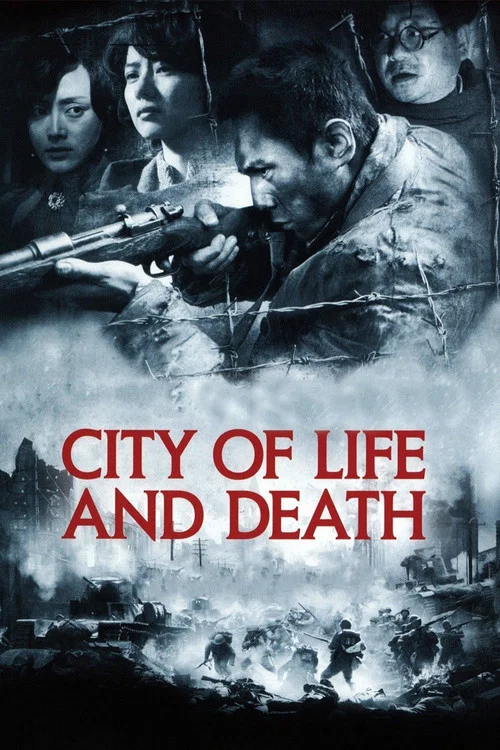
The film dramatizes the 1937 Nanjing massacre through composite characters. Its violence and historical setting are grounded in events, but individual stories are fictional.
29.09.1938 → 30.09.1938
ПРЕДСТАВЛЕННАЯ ИСТОРИЯ 29.09.1938 → 30.09.1938
Understand failed diplomacy and the fear of another European war immediately before 1939.
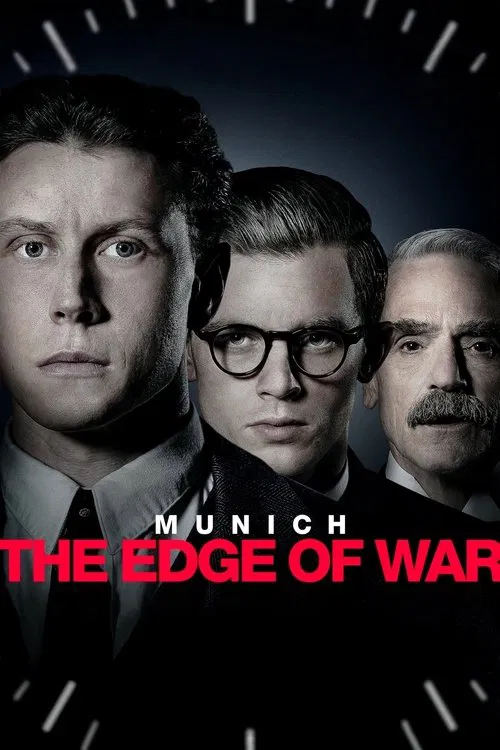
The Munich Agreement was signed in September 1938. The espionage friendship at the film's centre is invented; the appeasement debate is simplified.
01.09.1939 → 07.09.1939
ПРЕДСТАВЛЕННАЯ ИСТОРИЯ 01.09.1939 → 07.09.1939
See the invasion of Poland on 1 September 1939 from the defenders' perspective.
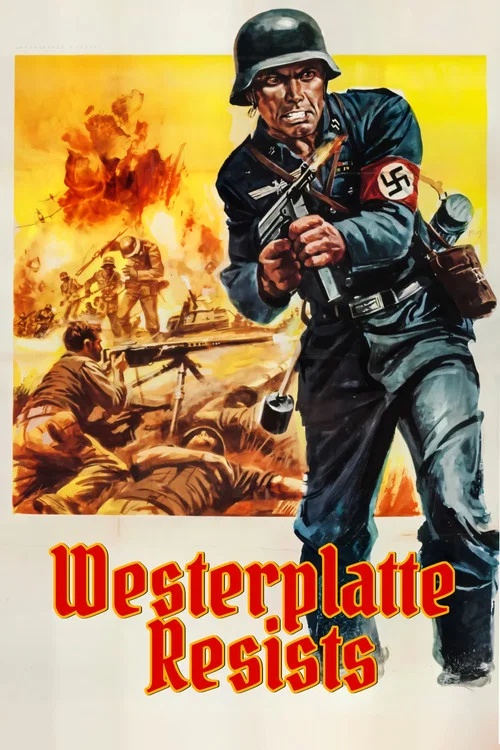
The assault on Westerplatte accompanied the start of the European war. Dramatized disagreements among its defenders should not obscure the wider Polish campaign and Soviet invasion on 17 September.
09.05.1940 → 04.06.1940
ПРЕДСТАВЛЕННАЯ ИСТОРИЯ 09.05.1940 → 04.06.1940
Follow Britain's wartime leadership crisis during the German assault on Western Europe.
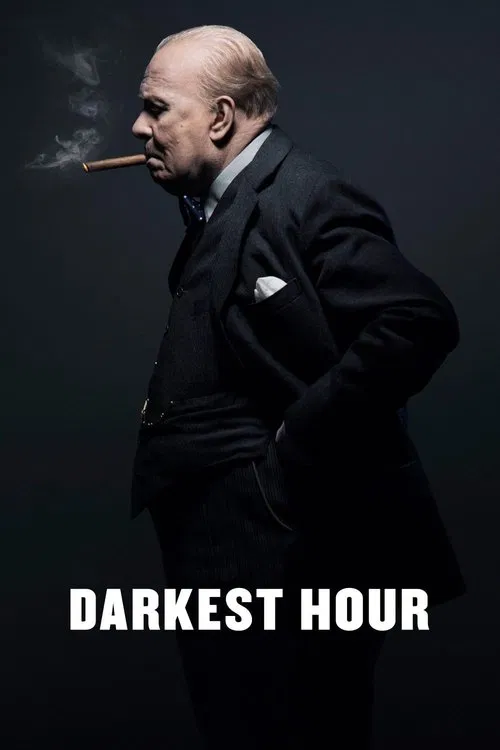
Churchill became prime minister in May 1940 as the German offensive unfolded. The celebrated Underground encounter is fictionalized.
ПРЕДСТАВЛЕННАЯ ИСТОРИЯ 26.05.1940 → 04.06.1940
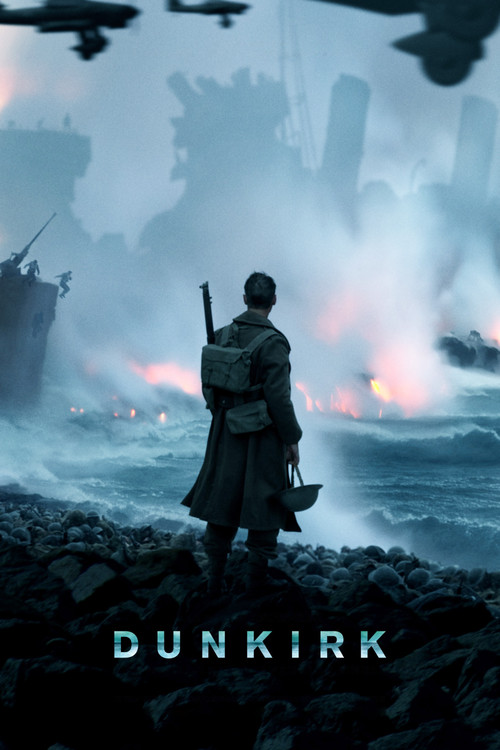
Experience the evacuation from northern France through soldiers, civilians and airmen.
Operation Dynamo evacuated Allied troops in May–June 1940. The film uses fictional composite characters and interwoven timelines instead of a survey of the campaign.
07.12.1941
ПРЕДСТАВЛЕННАЯ ИСТОРИЯ 07.12.1941
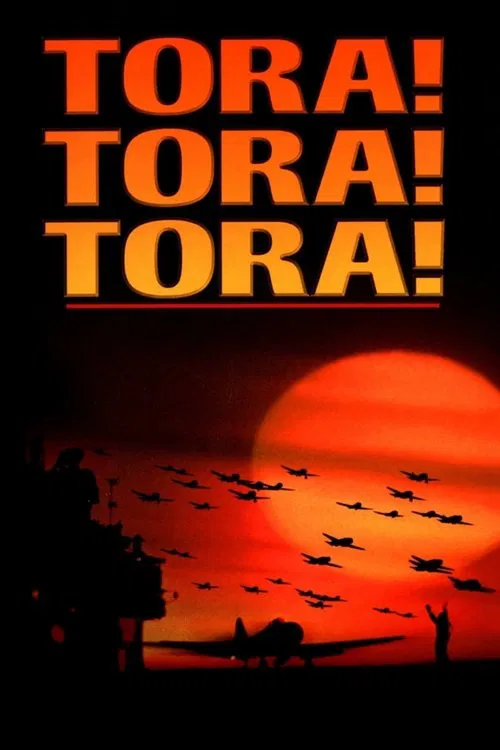
Examine the decisions and failures that preceded Japan's attack on Pearl Harbor.
The 7 December 1941 attack brought the United States into war against Japan; the film presents events from US and Japanese perspectives, though dialogue is reconstructed.
1942
ПРЕДСТАВЛЕННАЯ ИСТОРИЯ 1942
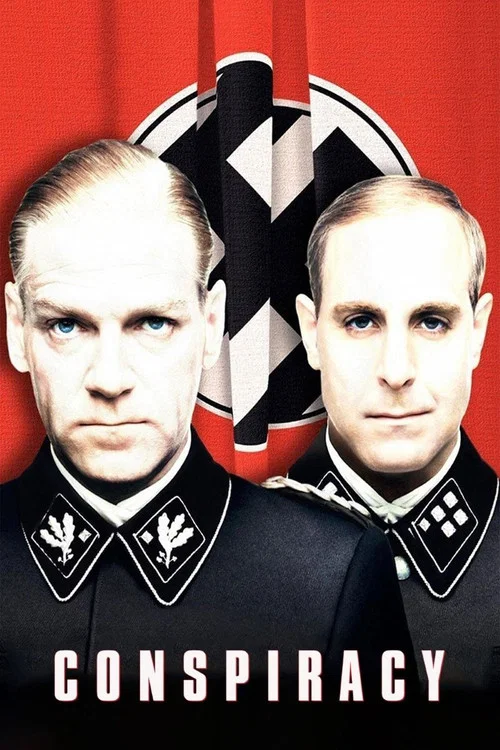
Understand how bureaucrats coordinated the machinery of genocide.
The Wannsee Conference met in January 1942 to coordinate policies for the genocide of Europe's Jews. Mass murder was already underway; this meeting did not mark its beginning.
23.08.1942 → 02.02.1943
ПРЕДСТАВЛЕННАЯ ИСТОРИЯ 23.08.1942 → 02.02.1943
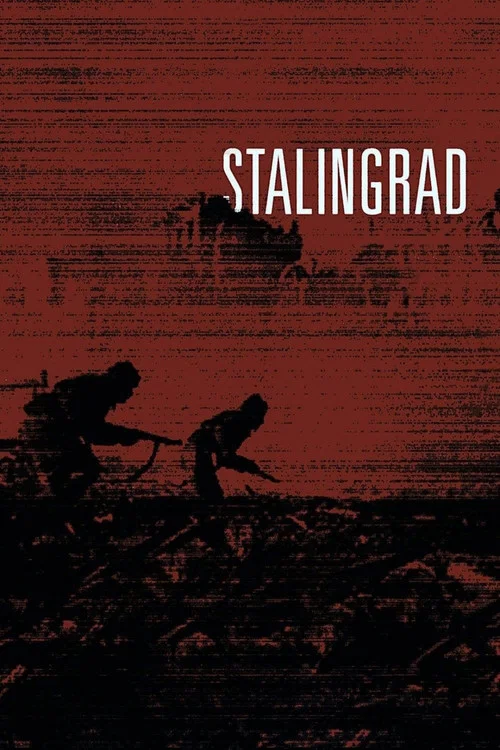
See the Eastern Front's human cost as Germany's 1942 offensive becomes a struggle for survival.
The Battle of Stalingrad lasted from 1942 into February 1943. This is a fictional German-unit perspective and should be paired with wider context on Soviet forces and civilians.
1943
ПРЕДСТАВЛЕННАЯ ИСТОРИЯ 1943
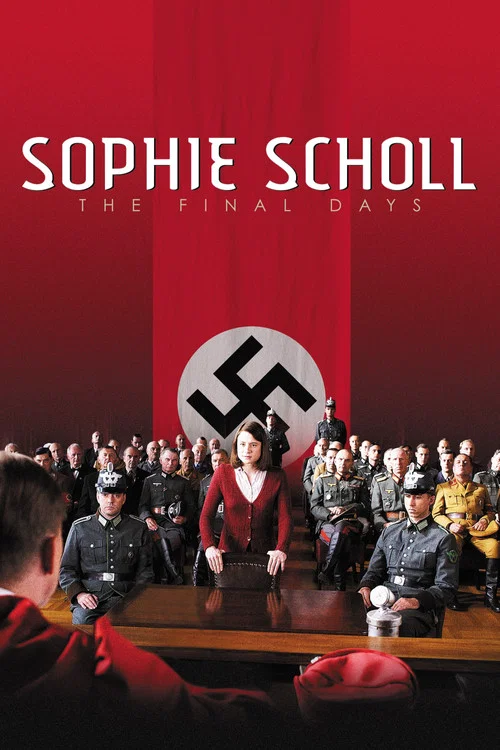
Discover civilian moral resistance inside Nazi Germany.
Sophie and Hans Scholl were arrested and executed in 1943 for White Rose resistance. The film uses surviving interrogation and trial records but reconstructs some conversations.
06.06.1944 → 13.06.1944
ПРЕДСТАВЛЕННАЯ ИСТОРИЯ 06.06.1944 → 13.06.1944
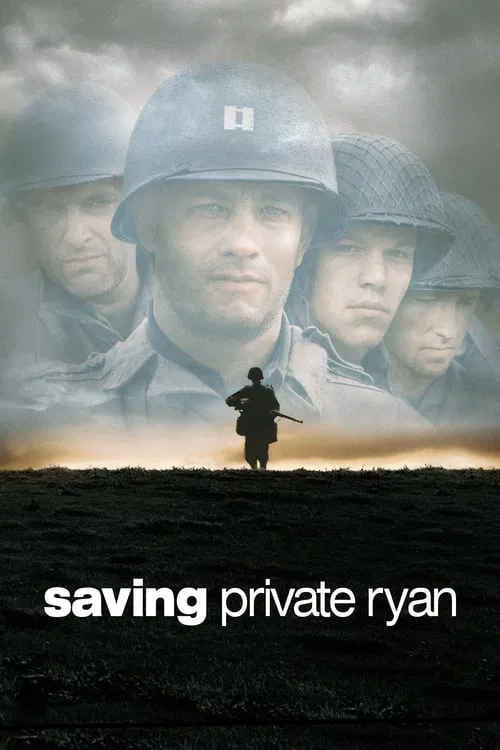
Enter the Normandy landings and the human cost of the liberation campaign.
The Omaha Beach opening evokes D-Day on 6 June 1944; the rescue mission and central characters are fictional.
01.08.1944 → 02.10.1944
ПРЕДСТАВЛЕННАЯ ИСТОРИЯ 01.08.1944 → 02.10.1944
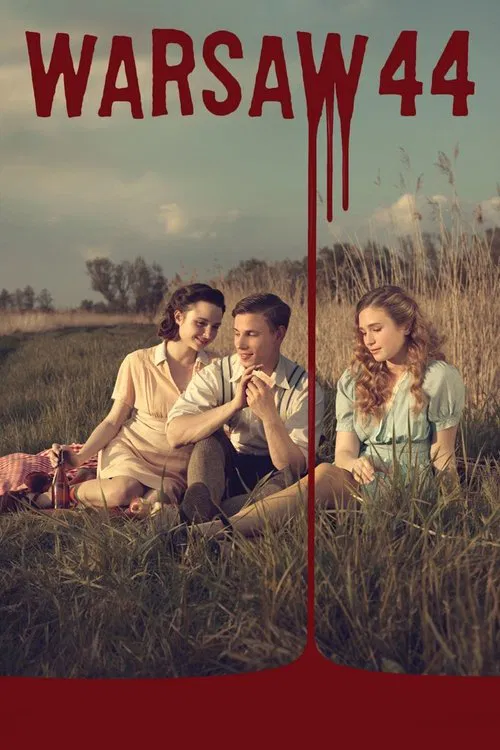
Understand the desperation and civilian catastrophe of the Warsaw Uprising.
The Home Army began the Warsaw Uprising on 1 August 1944. The young protagonists are fictional, and spectacle should not replace the military and diplomatic context.
17.09.1944 → 25.09.1944
ПРЕДСТАВЛЕННАЯ ИСТОРИЯ 17.09.1944 → 25.09.1944
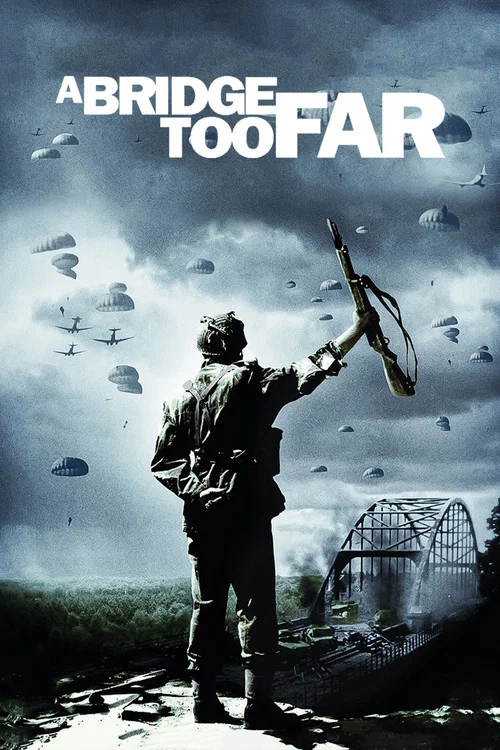
Follow Operation Market Garden and the risks of bold Allied offensives in 1944.
The September 1944 airborne offensive failed to secure a crossing of the Lower Rhine. The large ensemble compresses command decisions and battlefield experience.
19.02.1945 → 26.03.1945
ПРЕДСТАВЛЕННАЯ ИСТОРИЯ 19.02.1945 → 26.03.1945
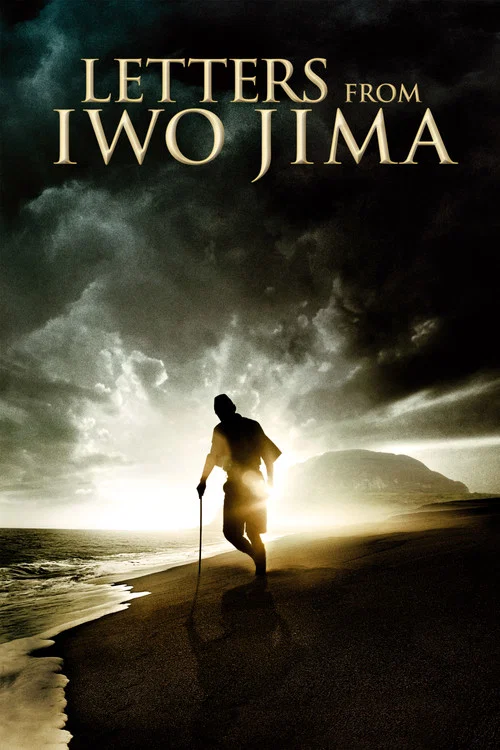
View a key Pacific island battle through Japanese soldiers rather than a US-only perspective.
The battle of Iwo Jima ran from February to March 1945. The film fictionalizes personal stories while evoking the defenders' conditions.
20.04.1945 → 02.05.1945
ПРЕДСТАВЛЕННАЯ ИСТОРИЯ 20.04.1945 → 02.05.1945
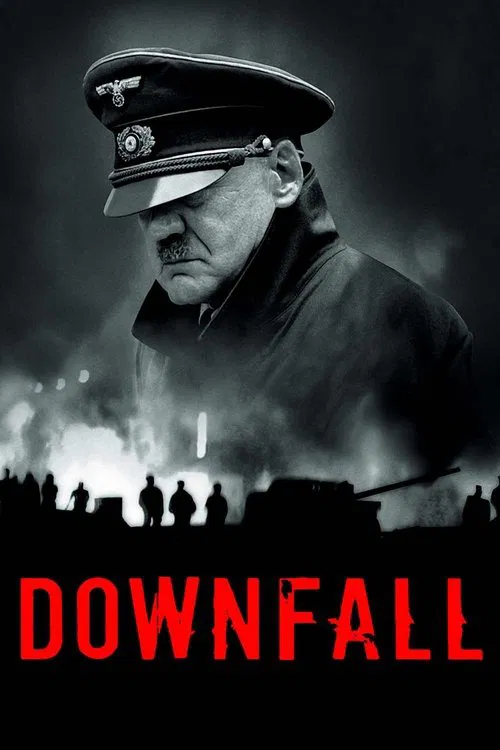
Witness the collapse of Hitler's regime during the battle for Berlin.
The film reconstructs April 1945 around Hitler's bunker using testimony and memoirs. Its focus on individuals must not eclipse the regime's crimes.
14.08.1945 → 15.08.1945
ПРЕДСТАВЛЕННАЯ ИСТОРИЯ 14.08.1945 → 15.08.1945
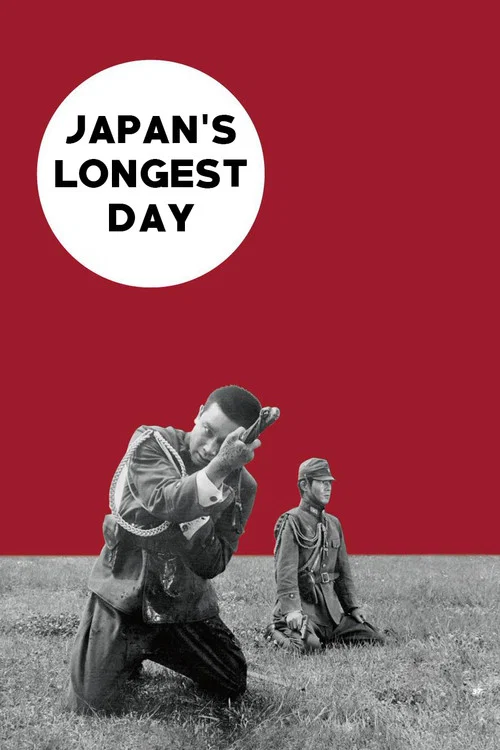
Follow the internal crisis surrounding Japan's decision to accept surrender in August 1945.
The atomic bombings, Soviet entry into the war and discussions around the emperor all shaped the decision. The film dramatizes deliberations and a failed coup attempt.
1945 → 1946
ПРЕДСТАВЛЕННАЯ ИСТОРИЯ 1945 → 1946
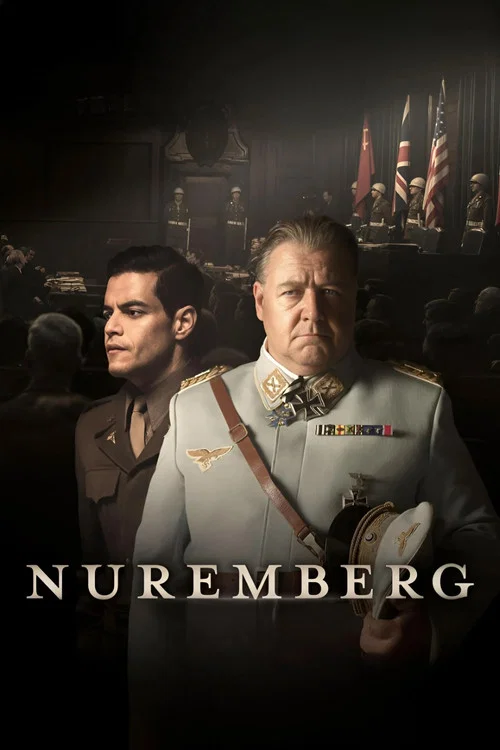
Reflect on postwar accountability, propaganda and the effort to prosecute leading perpetrators.
The international trial began in November 1945. The film's psychiatric framing is a dramatized entry point, not a replacement for court evidence.
In 1945, the war ended but occupation, reconstruction, displacement, decolonization and prosecution continued. The rivalry between the Soviet Union and Western powers reshaped international life. Continue with the Cold War journey; this is a future Watch Next editorial link, not yet an active app feature.