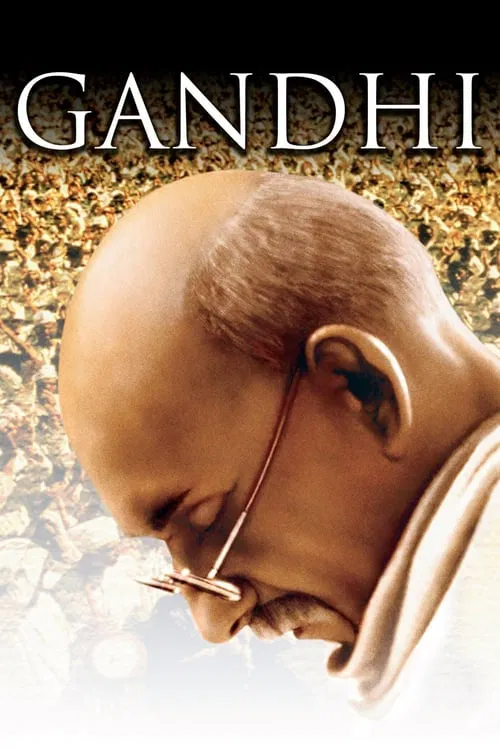
Gandhi
In the early years of the 20th century, Mohandas K. Gandhi, a British-trained lawyer, forsakes all worldly possessions to take up the cause of Indian independence. Faced with armed resistance from the British government, Gandhi adopts a policy of 'passive resistance', endeavouring to win freedom for his people without resorting to bloodshed.
Sign in to track1893 → 30.01.1948
Primary placement confidence: high. Importance on the World History timeline: 5/5.
- Historical relation
- Biography
- Historical accuracy
- 3/5
- Periods
- 1
- Events
- 3
- People
- 2
- Places
- 5
Where to watch


Mahatma Gandhi was assassinated in New Delhi by Nathuram Godse in January 1948.
Open profile →British Indian troops fired on a crowd at Amritsar in April 1919; events motivated Udham Singh's later campaign.
Open profile →Gandhi's march to the sea against the British salt tax became a landmark of Indian civil disobedience.
Open profile →Punjab city associated with the 1919 Jallianwala Bagh massacre.
Open profile →Coastal settlement in Gujarat where Gandhi made salt on April 6, 1930.
Open profile →The city where Gandhi was assassinated on January 30, 1948, and where his funeral procession took place.
Open profile →