01
CONTESTO STORICO
Kingdoms and medieval rule
Conquest, contested sovereignty and dynastic authority. Consider the evidence and viewpoints behind the screen portrayals before continuing.
Follow the histories of England, Scotland, Wales and the United Kingdom from Norman conquest through dynastic conflict, religious change, political reform, empire, world wars and the postwar era. Screen portrayals often privilege rulers and English viewpoints: these gaps are signposted rather than hidden.
A focused itinerary through the pivotal transformations in Britain. Includes deliberately selected film and series perspectives; context notes identify dramatization and missing viewpoints.
Conquest, contested sovereignty and dynastic authority. Consider the evidence and viewpoints behind the screen portrayals before continuing.
1064 → 1066
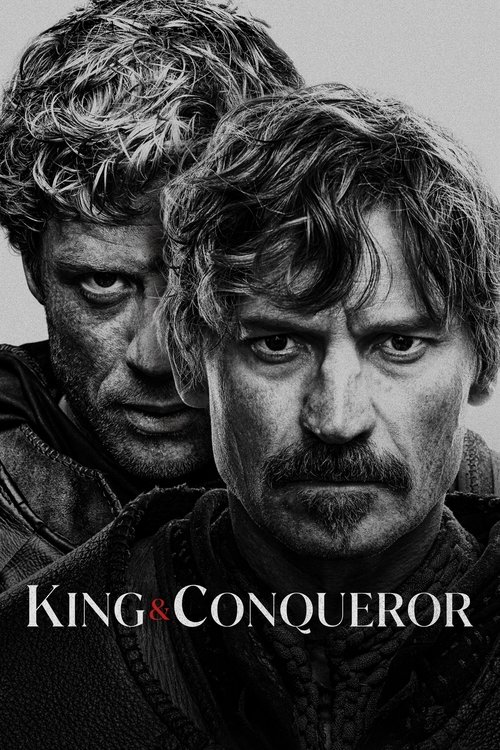
STORIA RAPPRESENTATA 1064 → 1066
The struggle culminating in 1066 sets the foundations of Norman rule in England.
Drama may compress characters and causes; Britain was not a single unified modern state.
Reformation and the emergence of new sources of political authority. Consider the evidence and viewpoints behind the screen portrayals before continuing.
1529 → 1540
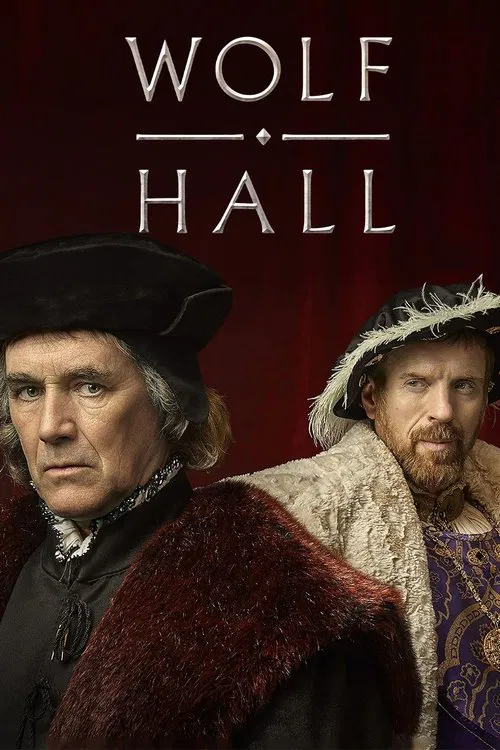
STORIA RAPPRESENTATA 1529 → 1540
Tudor reform is told from Cromwell’s side of the struggle over succession and faith.
A sophisticated but highly perspectival dramatization of court politics.
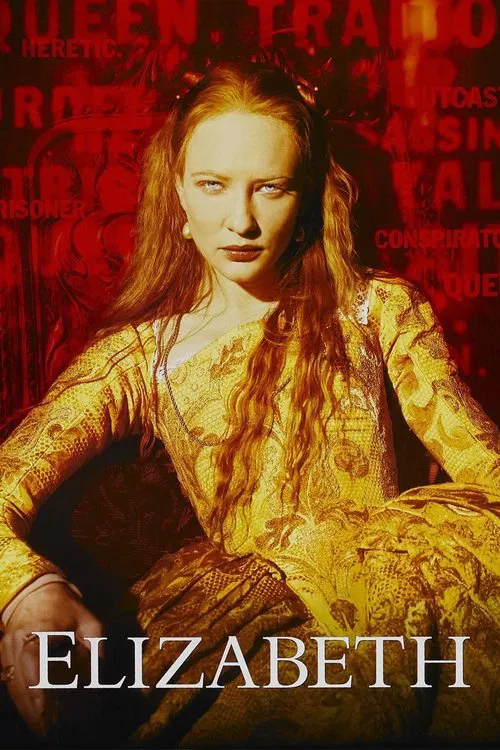
STORIA RAPPRESENTATA 1558 → 1563
The settlement of Elizabeth I’s reign follows a contested religious transition.
The film compresses timelines and heightens threats to Elizabeth.
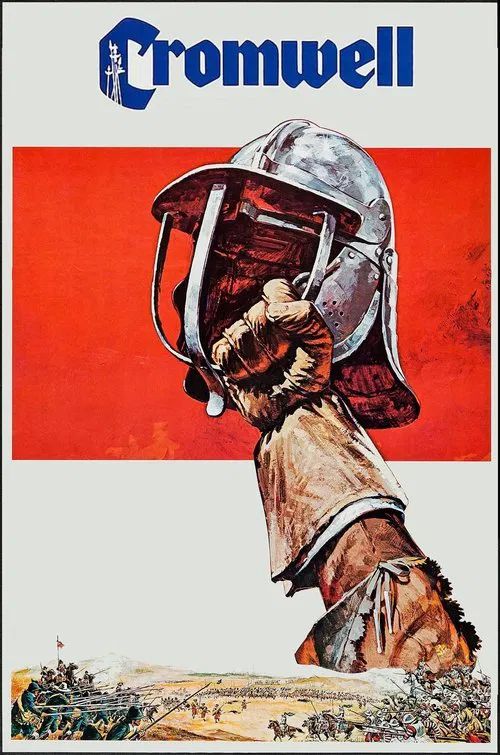
STORIA RAPPRESENTATA 1640 → 1653
Civil war brings monarchy, parliament and religion into direct collision.
Major simplifications and historical rearrangements call for caution.
Elite politics, class and a transforming imperial nation. Consider the evidence and viewpoints behind the screen portrayals before continuing.
1836 → 1840
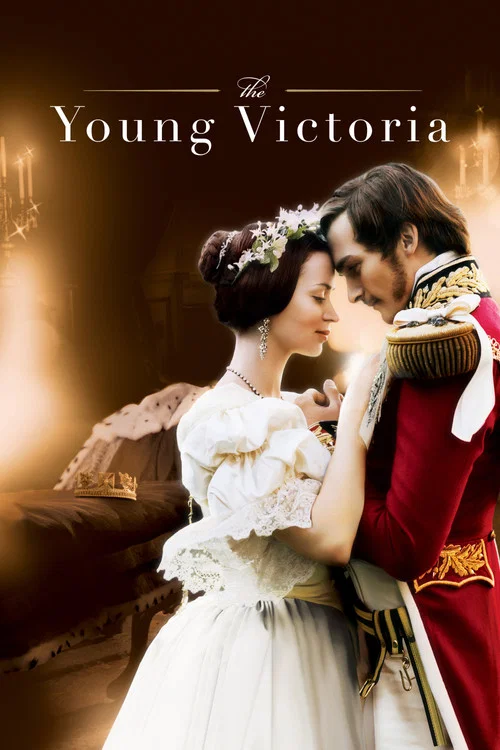
STORIA RAPPRESENTATA 1836 → 1840
Constitutional monarchy and the early Victorian court frame a new public role for the sovereign.
A romance-centered biography; imperial and industrial change largely occur offscreen.
The monarchy, war mobilization and changing national identity. Consider the evidence and viewpoints behind the screen portrayals before continuing.
10.12.1936 → 03.09.1939
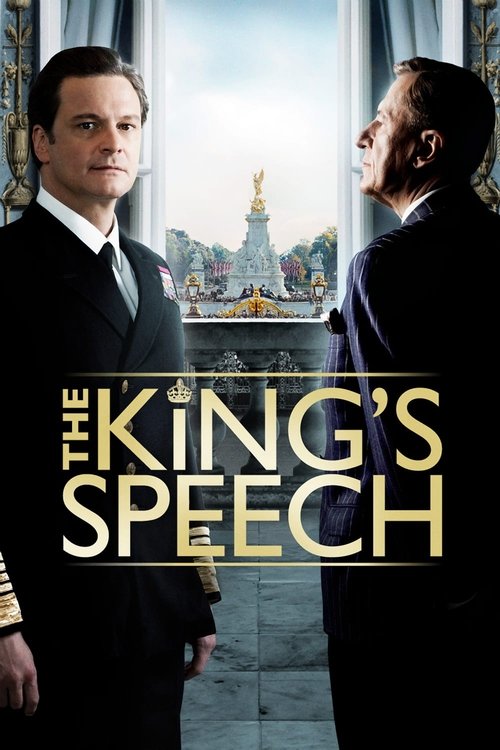
STORIA RAPPRESENTATA 10.12.1936 → 03.09.1939
The monarchy enters the age of radio amid looming geopolitical crisis.
A selective biographical account, with altered personal and political details.
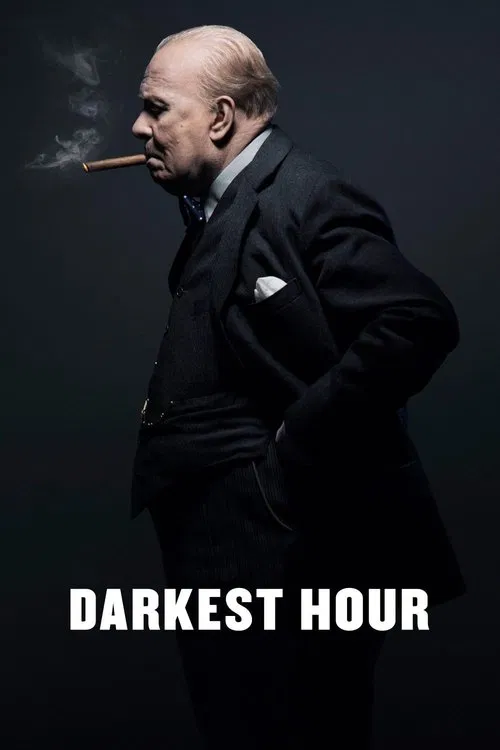
STORIA RAPPRESENTATA 09.05.1940 → 04.06.1940
The cabinet crisis of 1940 shows decision-making amid potential invasion.
Dramatizes speeches and events, including fictionalized scenes.
Deindustrialization, political conflict and Northern Ireland. Consider the evidence and viewpoints behind the screen portrayals before continuing.
1950 → 1990
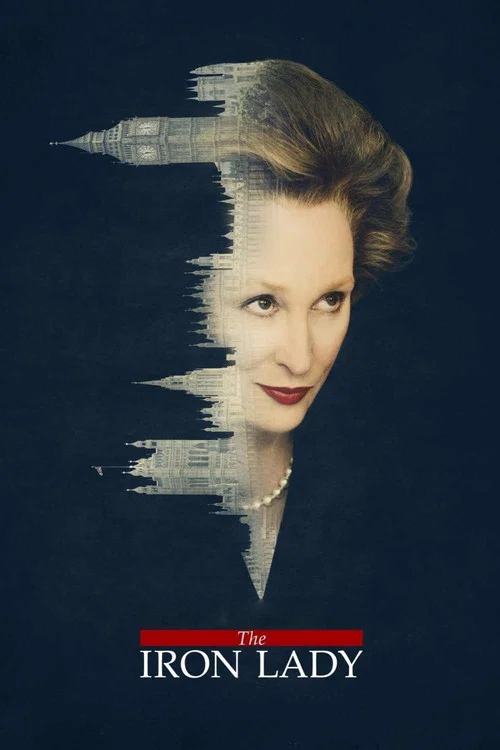
STORIA RAPPRESENTATA 1950 → 1990
Thatcher-era arguments about economics, politics and society mark the late twentieth century.
A leader-centered biopic framed through memory, not an economic survey.
Films and dramas concentrate on selected people, settings and conflicts. They are not exhaustive, equal representations of classes, regions or communities. Compare these portrayals with historical scholarship and explore thematic Journeys across the same period.