← Percorsi storiciGUARDA LA STORIA

Ancient Rome

From the Punic Wars and Republic to emperors, frontiers and late antiquity.

A curated journey across more than six centuries of Roman power, from Mediterranean conquest and social unrest to Caesar, Augustus, imperial society and the transformation of the late Roman world. Choose a short introduction, a chaptered full exploration, documentary perspectives or an event-led chronology. Dramatic reconstruction is clearly distinguished from historical evidence.

218 p.n.e. → 4154 guide editoriali19 titoli selezionati
GUIDA SELEZIONATA

Essenziale

Seven anchor works chart Roman power from the Republic to late antiquity. A selective introduction, not a complete history.

Titoli
7
Capitoli
7
Durata
≥ 10h 23m · Durata mancante per 2 titoli
Mix
4 film · 0 documentari · 1 TV
Accedi per salvare la guida
01
CONTESTO STORICO

How to read this journey

Roman history is not a single unbroken story of rulers. The Republic expanded through war and slavery, then collapsed through competition among its own elite. Imperial government brought stability for some and violence for others. The seven choices below each reveal a different facet; their historical accuracy varies.
01
CAPITOLO STORICO

01 · The Mediterranean struggle

218 p.n.e. → 202 p.n.e.

02
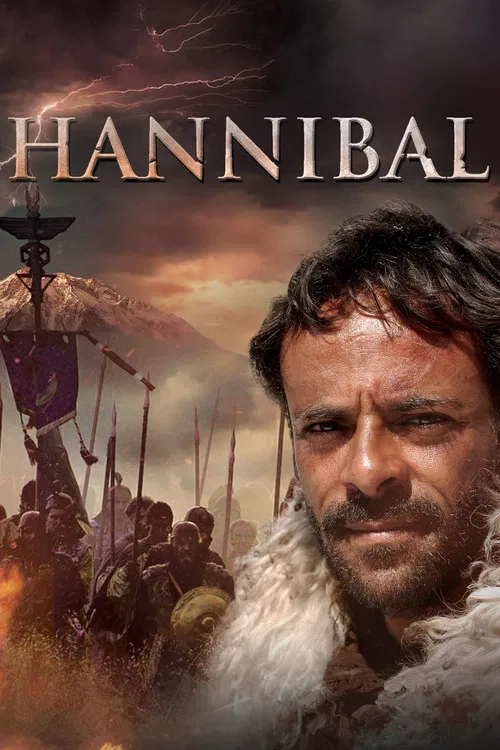
Poster: Hannibal: Rome's Worst Nightmare
Essenziale

Hannibal: Rome's Worst Nightmare

2006filmdocudrama

STORIA RAPPRESENTATA 218 p.n.e. → 202 p.n.e.

Perché guardarlo qui

Begin with Rome facing a Mediterranean rival strong enough to challenge the Republic itself.

Hannibal crossed the Alps in 218 BCE during the Second Punic War. This is a dramatized biographical reconstruction; Rome's eventual victory also depended on campaigns beyond Italy.

89 minIMDb 6.7 · 2.0K voti
02
CAPITOLO STORICO

02 · Slavery and republican unrest

73 p.n.e. → 71 p.n.e.

03
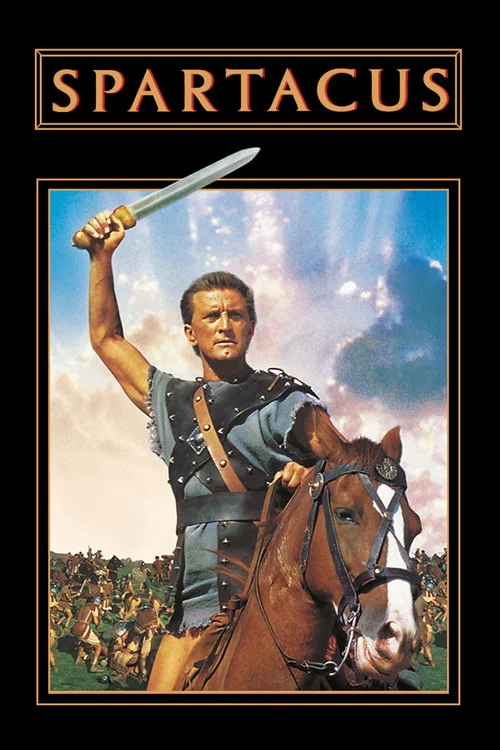
Poster: Spartacus
Essenziale

Spartacus

1960filmfiction

STORIA RAPPRESENTATA 73 p.n.e. → 71 p.n.e.

Perché guardarlo qui

See how slavery, spectacle and fear of revolt exposed divisions within the expanding Republic.

Spartacus led a major slave revolt in 73–71 BCE. The film invents dialogue and simplifies the revolt's politics; its social themes are more reliable than every narrative detail.

197 minIMDb 7.9 · 153K voti
03
CAPITOLO STORICO

03 · Caesar and the dying Republic

52 p.n.e. → 44 p.n.e.

04
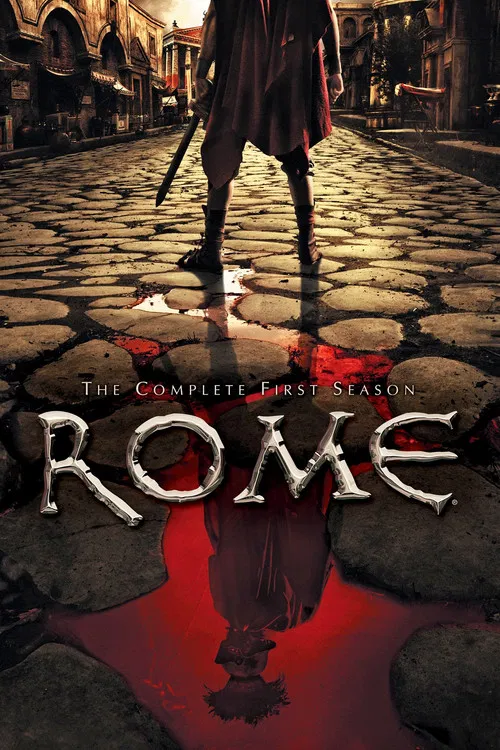
Poster: Rome — Stagione 1
Essenziale

Rome — Stagione 1

2005stagionefiction

STORIA RAPPRESENTATA 52 p.n.e. → 44 p.n.e.

Perché guardarlo qui

Follow Caesar's political ascent through Gallic conquest, rivalry with Pompey and the breakdown of republican compromise.

The season begins in the late 50s BCE and mixes historical elites with fictional soldiers. The invented private lives offer texture but must not be taken as documentary evidence.

04
CAPITOLO STORICO

04 · Civil war and the first emperor

44 p.n.e. → 30 p.n.e.

05
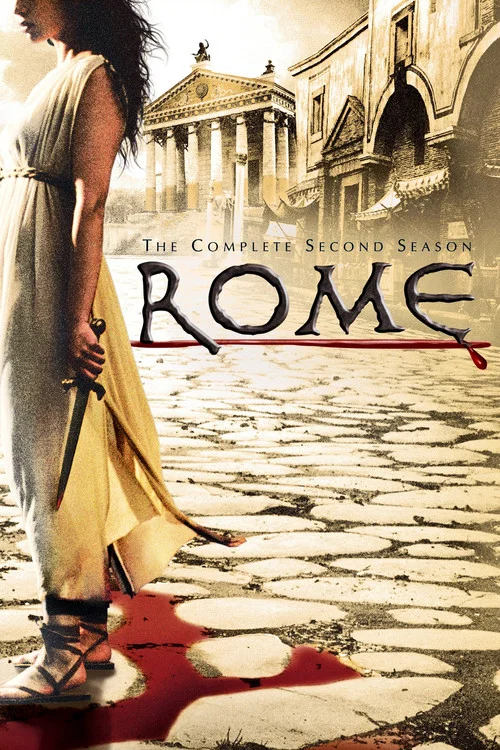
Poster: Rome — Stagione 2
Essenziale

Rome — Stagione 2

2007stagionefiction

STORIA RAPPRESENTATA 44 p.n.e. → 30 p.n.e.

Perché guardarlo qui

Continue from Caesar's assassination to the wars that brought Octavian to power.

This season moves across the turmoil of 44–30 BCE. Octavian eventually became Augustus in 27 BCE; the series substantially invents personal plots while depicting real shifts of power.

05
CAPITOLO STORICO

05 · Life under the early emperors

24 p.n.e. → 54

06
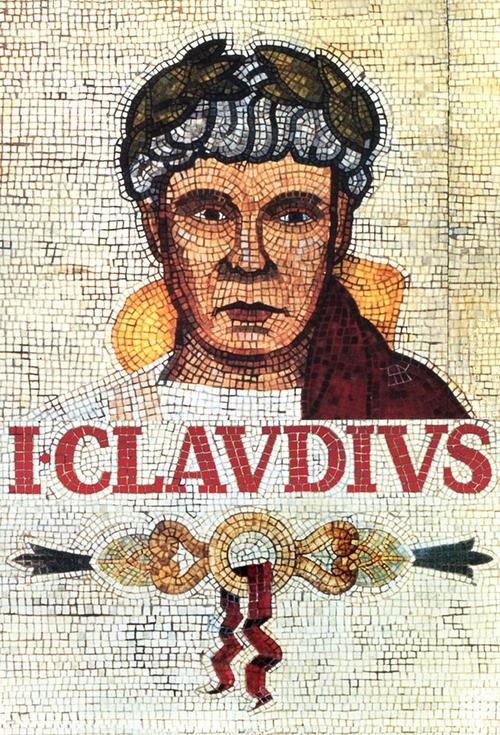
Poster: I, Claudius
Essenziale

I, Claudius

1976miniseriefiction

STORIA RAPPRESENTATA 24 p.n.e. → 54

Perché guardarlo qui

Watch imperial succession, court intrigues and the fragility of hereditary power from Augustus to Claudius.

The story draws from Robert Graves's novels and ancient hostile sources. Many sensational claims about individual emperors remain disputed by historians.

55 minIMDb 8.8 · 22.5K voti
06
CAPITOLO STORICO

06 · The imperial court and spectacle

178 → 180

07
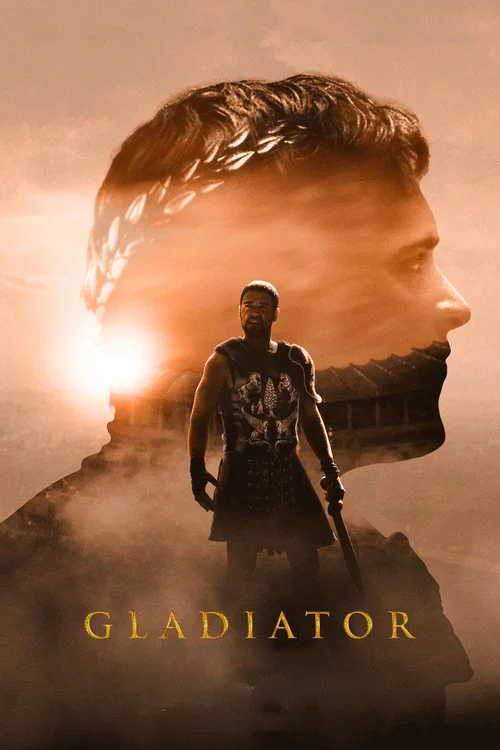
Poster: Gladiator
Essenziale

Gladiator

2000filmfiction

STORIA RAPPRESENTATA 178 → 180

Perché guardarlo qui

Use a famous imperial spectacle to discuss the army, succession and public entertainment.

Marcus Aurelius died in 180 CE and Commodus succeeded him, but Maximus and most of the plot are fictional. The film is atmospheric, not a reliable political biography.

155 minIMDb 8.5 · 1.9M voti
07
CAPITOLO STORICO

07 · Religious change and late antiquity

391 → 415

08
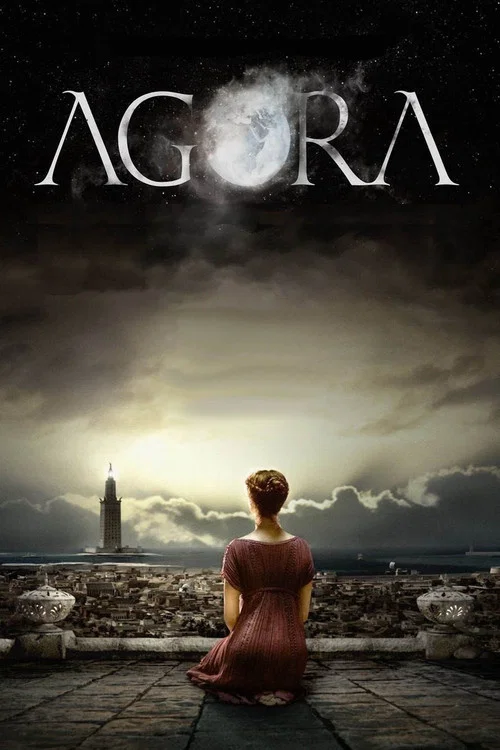
Poster: Agora
Essenziale

Agora

2009filmfiction

STORIA RAPPRESENTATA 391 → 415

Perché guardarlo qui

Follow religious and intellectual conflict in late antique Alexandria as the Roman world changes.

Hypatia was killed in Alexandria in 415 CE, not at the end of the fourth century. The film reshapes the evidence and uses fictional personal relationships.

127 minIMDb 7.1 · 77.2K voti
09
CONTESTO STORICO

Beyond the final frame

The Western Roman imperial office ended in 476 CE, but Roman institutions, law, culture and the Eastern Roman Empire survived. The end of this screen route is not the end of Roman history. Continue with separate histories of late antiquity, Byzantium and medieval Europe when curated paths are available.

Cosa guardare dopo