Society in transition
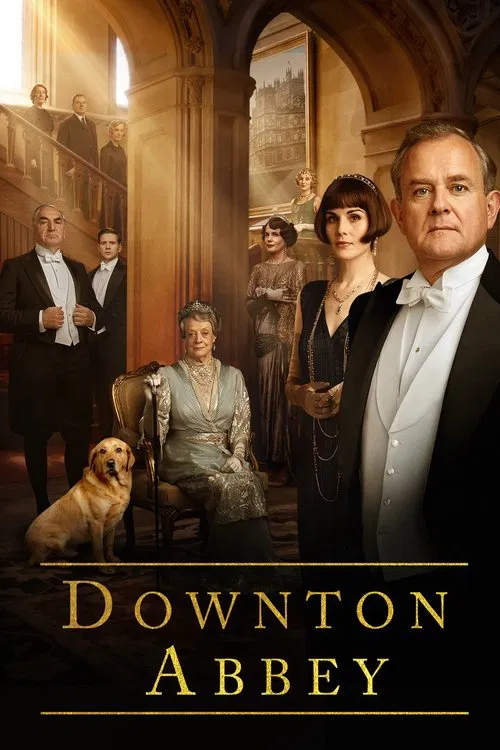
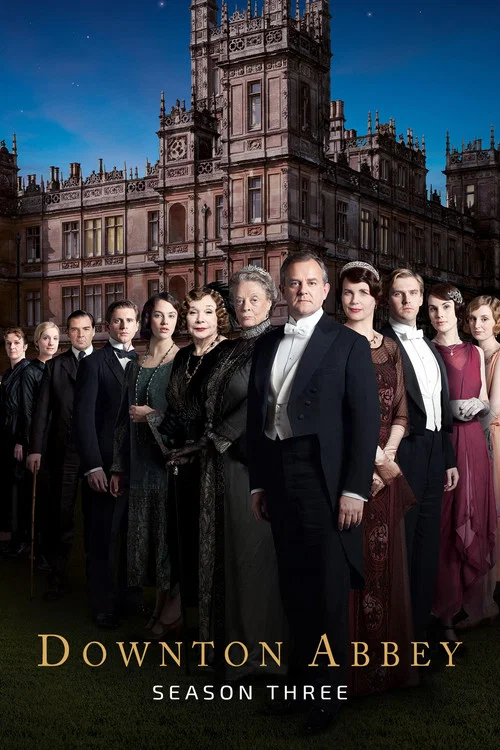
Compare the visual worlds of landed Britain and the more modern, mobile society of the 1920s. Country-house settings show a privileged slice of the decade; notice domestic service, fashion, changing work and social etiquette.
An immersion in the visual and social textures of the 1920s: flapper-era change, country-house etiquette, Atlantic City under Prohibition, emerging consumer culture and the stark inequalities beneath the glamour. Selected for setting, dress and lived atmosphere rather than fidelity to individual plot events. The current library covers nightlife less completely than the title suggests.
A concise way to feel the era through its settings, fashions, social codes and physical spaces.
Compare the visual worlds of landed Britain and the more modern, mobile society of the 1920s. Country-house settings show a privileged slice of the decade; notice domestic service, fashion, changing work and social etiquette.
1920 → 1921
HISTÓRIA REPRESENTADA 1920 → 1921
Notice the changing pace of country-house life, formal dining, service hierarchies and expanding roles for women. Its aristocratic viewpoint is not a portrait of typical 1920s households.
Era Immersion lens: assess society in transition via costumes, interior design, streets, social relations and practical routines. Plot dramatization should not be mistaken for documentary evidence.
Inicie sessão para acompanharHISTÓRIA REPRESENTADA 1927
Study 1927 ceremonial fashion, interiors and formal etiquette. The setting is lavish, so treat it as an elite-world counterpoint to everyday life.
Era Immersion lens: assess society in transition via costumes, interior design, streets, social relations and practical routines. Plot dramatization should not be mistaken for documentary evidence.
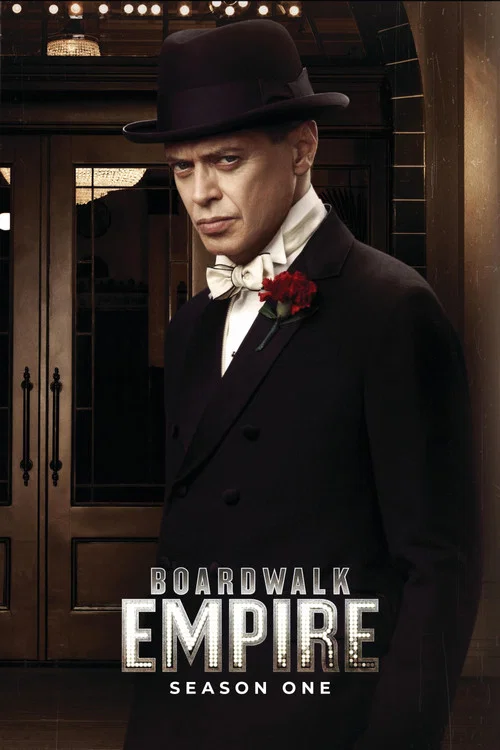
Prohibition reshaped bars, hotels, urban politics and commercial leisure. Screen crime dramas are heightened, but their interiors, street scenes and social divisions reveal recognizable features of the period.
1920
HISTÓRIA REPRESENTADA 1920
A strong introduction to clothing, hotels, commerce and entertainment under early Prohibition. It is stylized crime drama, not a neutral survey.
Era Immersion lens: assess prohibition and atlantic city via costumes, interior design, streets, social relations and practical routines. Plot dramatization should not be mistaken for documentary evidence.
Inicie sessão para acompanharLook for the new urban leisure economy: jazz clubs, dance floors, film studios, consumer spectacle and changing clothing. Some films use anachronistic music or musical fantasy; judge their environments and social rituals separately from literal period authenticity.
HISTÓRIA REPRESENTADA Ainda sem colocação
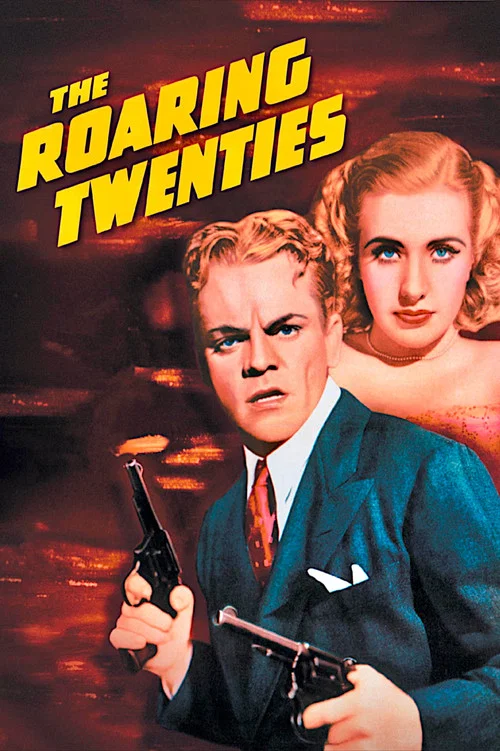
A retrospective view of Prohibition-era business, city streets, clothing and the slide from prosperity to crisis; made later, with a gangster-film viewpoint.
Era Immersion selection: judge the built environment, clothing, leisure, working routines and social rules of the depicted period, not the literal truth of the storyline.
HISTÓRIA REPRESENTADA Ainda sem colocação
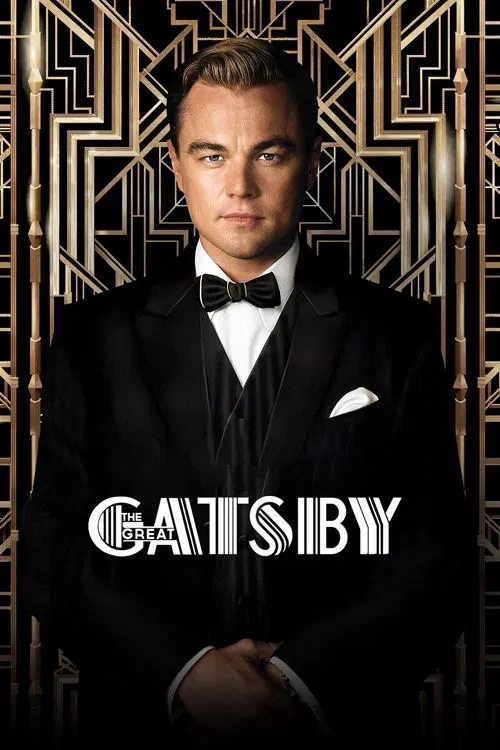
A lavish interpretation of Jazz Age architecture, high society, fashion and parties. Deliberately exaggerated, including its anachronistic soundtrack.
Era Immersion selection: judge the built environment, clothing, leisure, working routines and social rules of the depicted period, not the literal truth of the storyline.
The glamorous decade was not experienced equally. This closing section shows displacement, racial exclusion and exploitation in an America that was prosperous for some but violent and unequal for others.
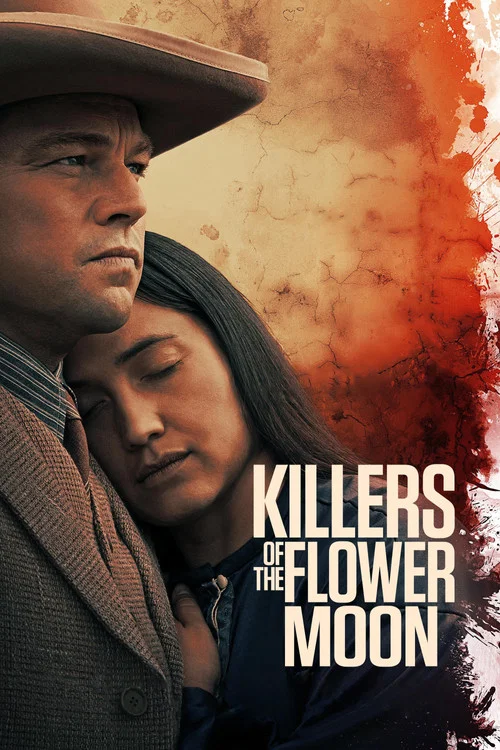
1919 → 1926
HISTÓRIA REPRESENTADA 1919 → 1926
An essential corrective to the idea of universal 1920s prosperity: Osage wealth, exploitation, clothing, oil-town environments and racialized power. This is Oklahoma, not a Jazz Age city.
Era Immersion lens: assess who did not share the boom? via costumes, interior design, streets, social relations and practical routines. Plot dramatization should not be mistaken for documentary evidence.