01
KONTEKST HISTORYCZNY
Ancient foundations and Mauryan statecraft
The subcontinent has never been a single timeless polity; early imperial formations existed amid immense cultural and regional diversity.
Travel across a diverse subcontinent, from Mauryan statecraft through Delhi and Mughal rule, Maratha power, Company colonialism, the anti-colonial struggle, Partition and nation-building. The films represent specific linguistic, religious and political traditions rather than one uniform national past. Mythic, nationalist and fictional material is noted explicitly.
A selective starting itinerary through the major transformations, with explicit evidence warnings and a manageable number of key works.
The subcontinent has never been a single timeless polity; early imperial formations existed amid immense cultural and regional diversity.
327 p.n.e. → 321 p.n.e.
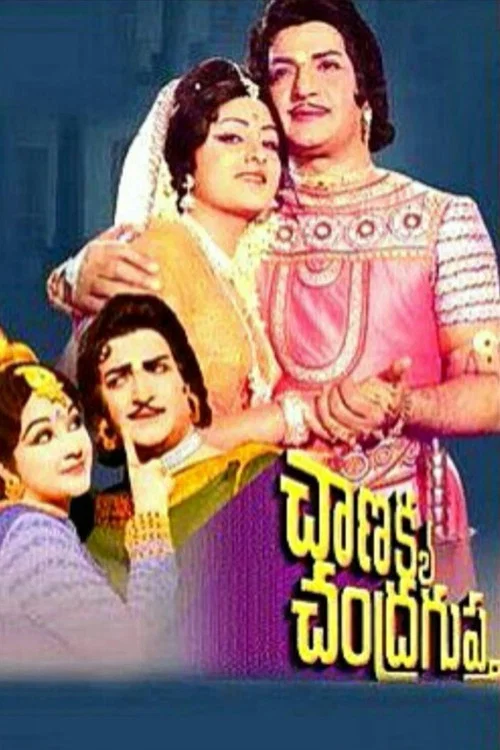
REPREZENTOWANA HISTORIA 327 p.n.e. → 321 p.n.e.
Opens discussion of Chandragupta Maurya and the political theories associated with Chanakya.
A fictionalized reconstruction with limited direct evidence for dialogue.
Turkic, Afghan and Indo-Persian dynasties interacted with Rajput, regional and later Mughal states; cinema often uses romance as its organizing device.
1562 → 1569
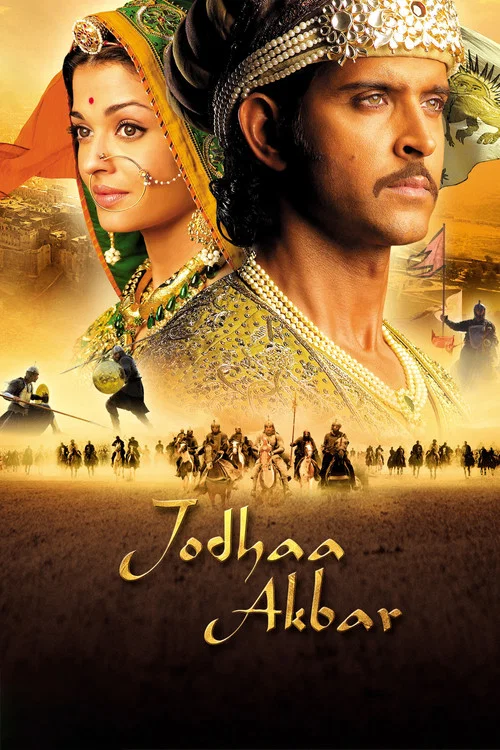
REPREZENTOWANA HISTORIA 1562 → 1569
Explores an imagined personal relationship against the background of Mughal court politics and religious negotiation.
The titular love story is heavily romanticized and historically disputed.
The decline of centralized Mughal power and the growth of regional forces changed the political map of South Asia.
1760 → 1761
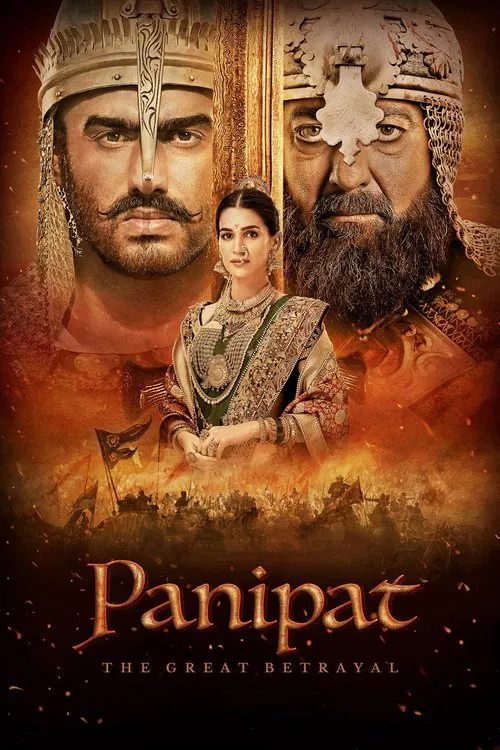
REPREZENTOWANA HISTORIA 1760 → 1761
Introduces the Third Battle of Panipat and the complexity of eighteenth-century regional power.
Heroic epic; political motivations and military details are compressed.
British colonial power developed through commerce, conquest and coercion; the 1857 uprising remains a major turning point.
1857
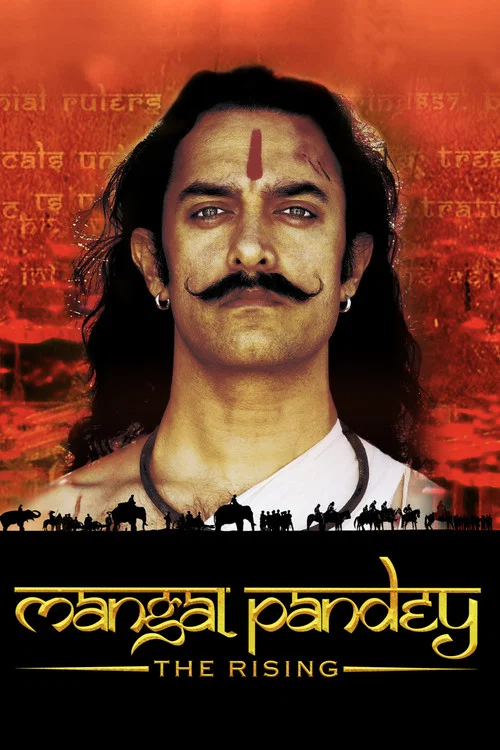
REPREZENTOWANA HISTORIA 1857
Connects army service and rebellion in 1857 with wider opposition to Company rule.
A charismatic biographical telling that oversimplifies collective causes.
Mass protest, socialist and revolutionary activism, wartime pressures and partition divided people and communities in different ways.
1919 → 1940

REPREZENTOWANA HISTORIA 1919 → 1940
Links an individual’s response to the Amritsar massacre with the violence of imperial rule.
Retrospective biographical dramatization of motives and events.
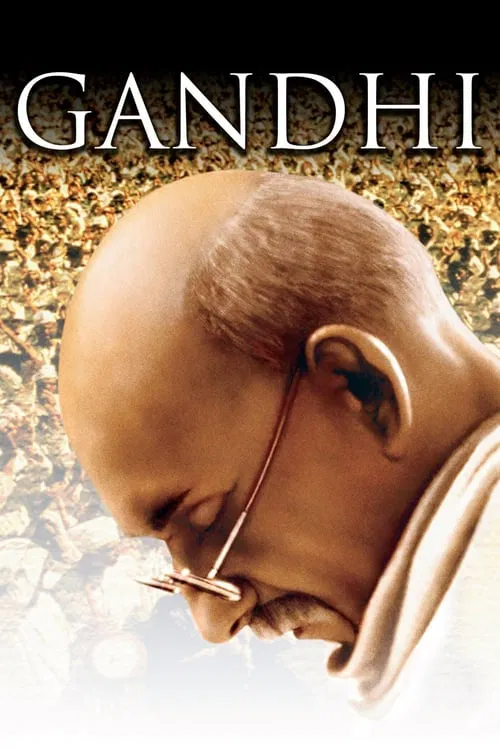
REPREZENTOWANA HISTORIA 1893 → 30.01.1948
Outlines mass nonviolent struggle, political negotiation and independence leadership.
A comprehensive but Gandhi-centered film that underplays other leaders and Partition perspectives.
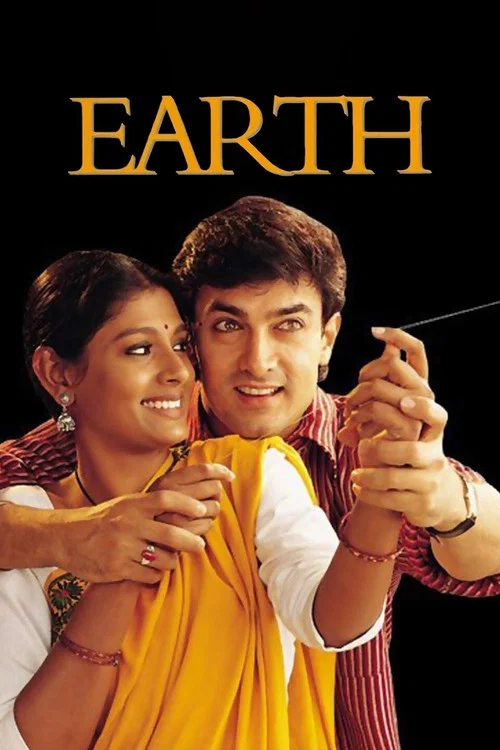
REPREZENTOWANA HISTORIA 1947
Depicts Partition violence and the collapse of intercommunal trust in Lahore.
Adaptation of fiction; illuminates lived trauma rather than representing all regions.
The post-1947 nation faced wars, institution-building, economic transformation and new social movements.
1940 → 1974
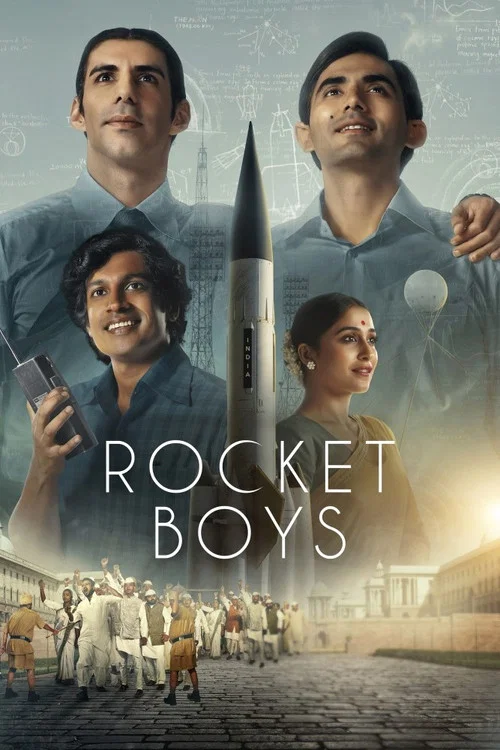
REPREZENTOWANA HISTORIA 1940 → 1974
Uses the early scientific establishment as a way to discuss state-building and modernization.
Dramatized biographical series with compressed science and institutional history.