01
CONTESTO STORICOHistorical introduction
Progress took many forms: litigation, community organizing, mass protest, cultural resistance and radical critiques. No single national leader or court case represents the entire movement. The films also show how legal victories could coexist with entrenched inequality.
02
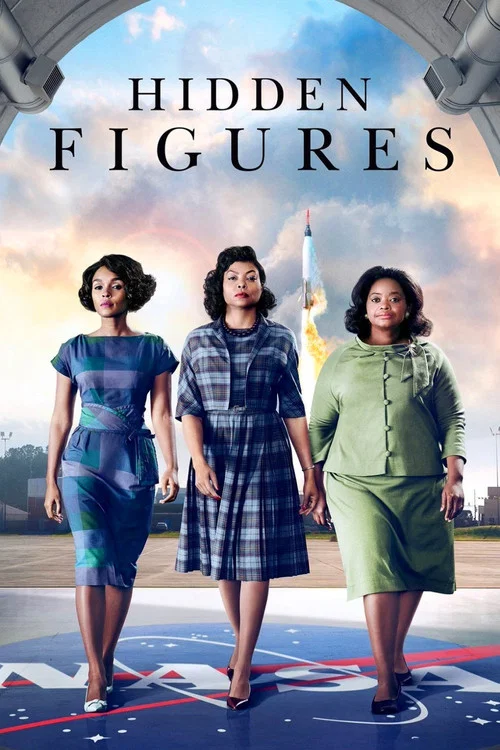
CONTESTO STORICOEveryday segregation and long organizing · 1950s
Formal Jim Crow restrictions were reinforced by local customs, economic exclusion and unequal public services. Legal and grassroots challenges did not begin suddenly in 1963.
04
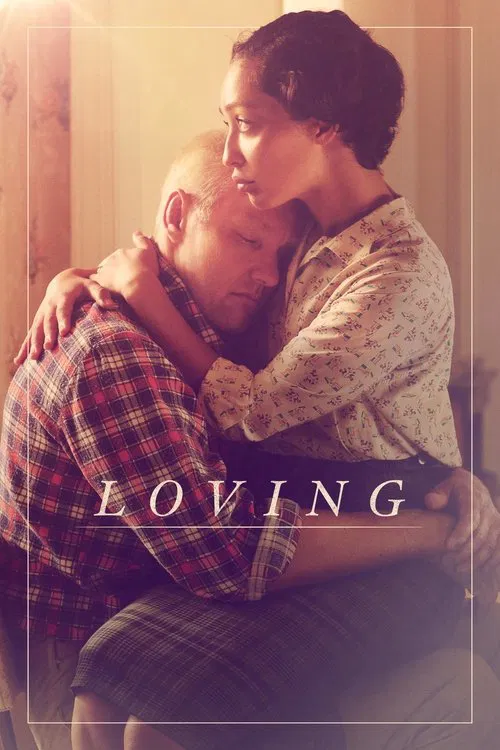
CONTESTO STORICOEquality before the law · 1958–1967
Campaigns and legal challenges targeted racial barriers in private life as well as public institutions.
06
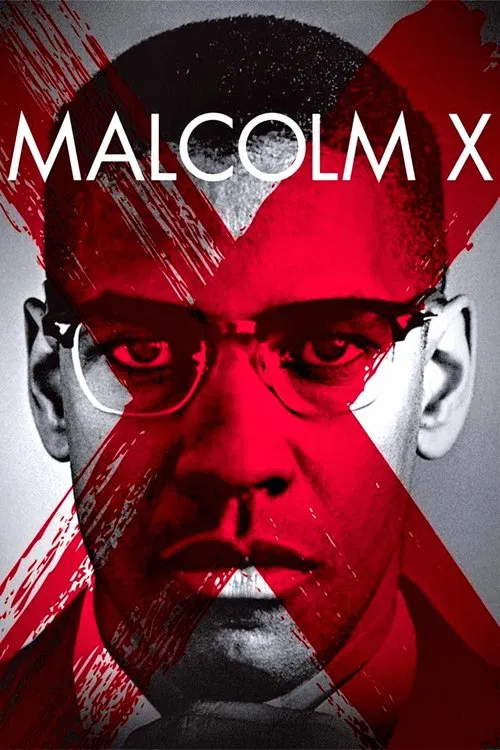
CONTESTO STORICOCompeting voices and strategic debates · early 1960s
Civil-rights activism included nonviolent direct action, self-defense, nationalist thought and arguments about economic justice.
08
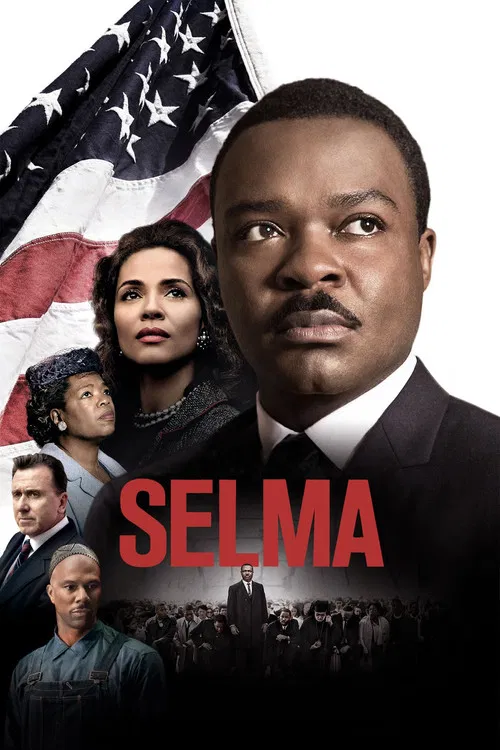
CONTESTO STORICOVoting rights and the movement’s legacy · 1965 onward
The Selma campaign helped propel the 1965 Voting Rights Act; legal advances did not resolve socioeconomic discrimination or conflicts over political power.