01
CONTESTO STORICO
Medieval Rus and Muscovite power
The medieval polities of Rus were not identical to the later Russian Empire or today’s nation-state. Filmic medieval epics often serve later national mythmaking.
Follow the long and contested history of the polities that became Russia and the Soviet Union: medieval Rus, Muscovy, empire, the Romanovs, revolution, Soviet state power, wartime catastrophe and late Soviet crises. Films are Russian, Soviet and foreign perspectives; not all territories or peoples represented were Russian. Ukraine, Belarus and other regions require distinct historical voices.
A selective starting itinerary through the major transformations, with explicit evidence warnings and a manageable number of key works.
The medieval polities of Rus were not identical to the later Russian Empire or today’s nation-state. Filmic medieval epics often serve later national mythmaking.
1240 → 1242
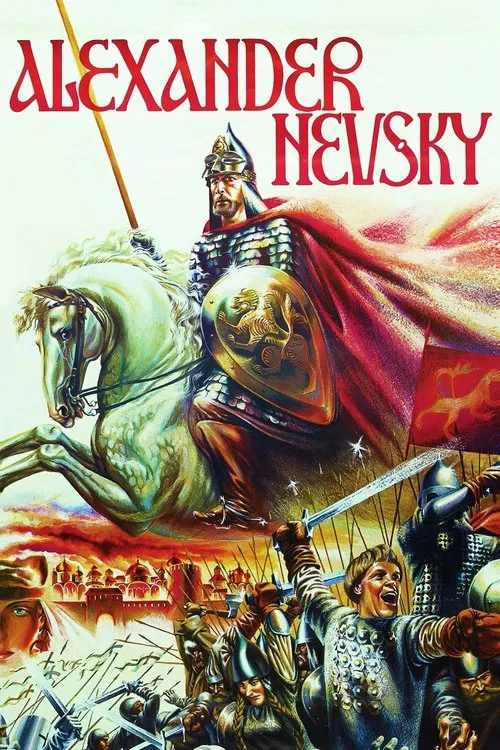
STORIA RAPPRESENTATA 1240 → 1242
Shows a canonical screen version of resistance to Teutonic knights in the thirteenth century.
Soviet-era national and anti-German propaganda strongly shapes its portrayal.
Dynastic government, the military and foreign diplomacy reshaped imperial territories; peasants and non-Russian peoples had very different experiences.
1762 → 1796
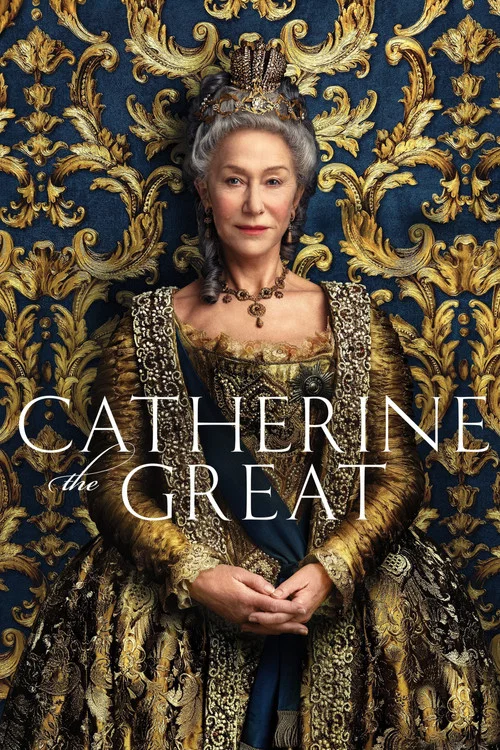
STORIA RAPPRESENTATA 1762 → 1796
Examines imperial power, elite relations and the reign of Catherine II.
A biographical court viewpoint with dramatized relationships.
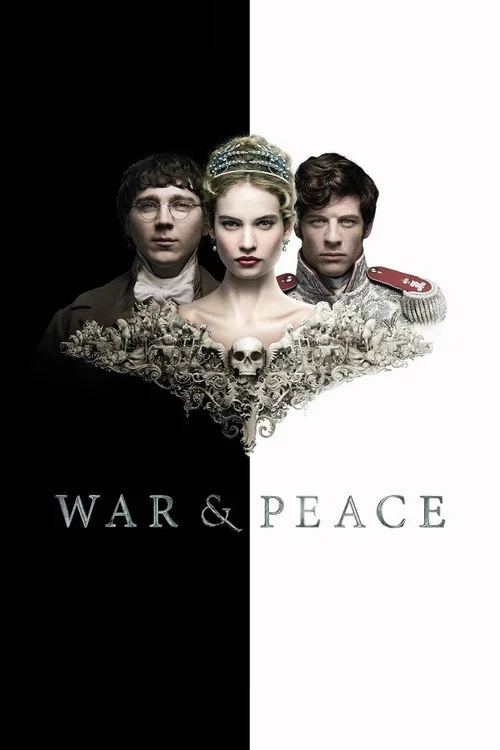
STORIA RAPPRESENTATA 1805 → 1812
Uses Napoleon’s invasion to explore war, society and elite life in imperial Russia.
A Tolstoy adaptation: fictional families amid actual historical events.
Revolution was shaped by war, inequity, politics and empire; representations differ in whose agency they emphasize.
1904 → 1918
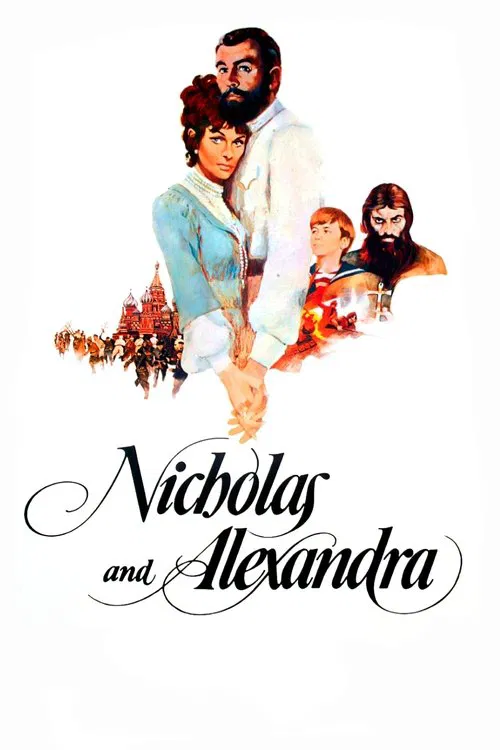
STORIA RAPPRESENTATA 1904 → 1918
Covers the Romanov monarchy amid the crises leading to revolution.
Sympathetic court-centered interpretation, not a full picture of Russian society.
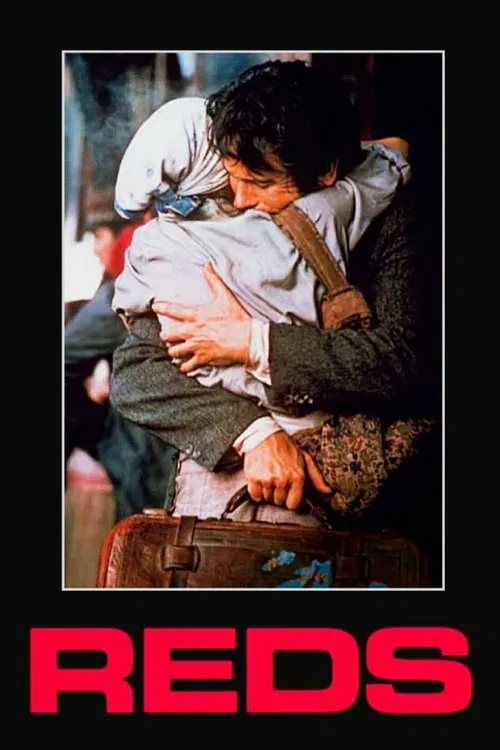
STORIA RAPPRESENTATA 1915 → 1920
Provides an outsider-journalist perspective on the Russian Revolution.
A biographical American angle; it is not a survey of all factions.
Collectivization, coercion, famine and wartime mobilization profoundly shaped the USSR and its peoples. Ukrainian experiences must not be collapsed into Russian history.
1933
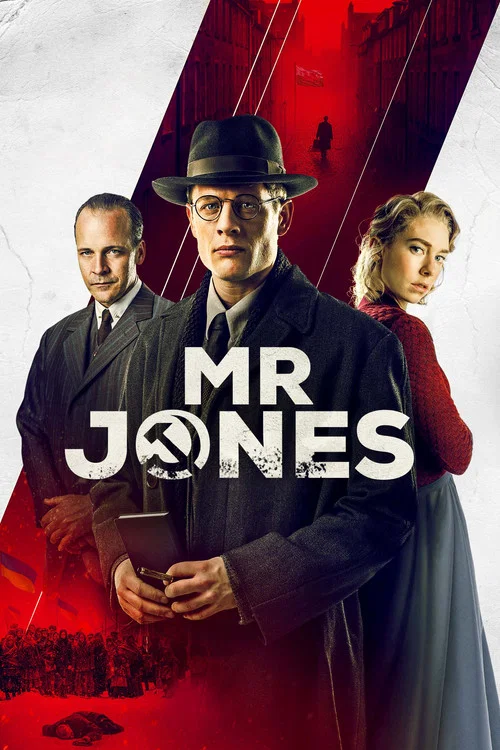
STORIA RAPPRESENTATA 1933
Highlights investigations into the 1932–33 famine in Soviet Ukraine and suppression of information.
A journalist-centered portrayal; Holodomor is part of Ukrainian history, not simply a Russian domestic episode.
The USSR emerged as a superpower after 1945; political controls and crises increasingly tested its institutions.
05.03.1953 → 09.03.1953
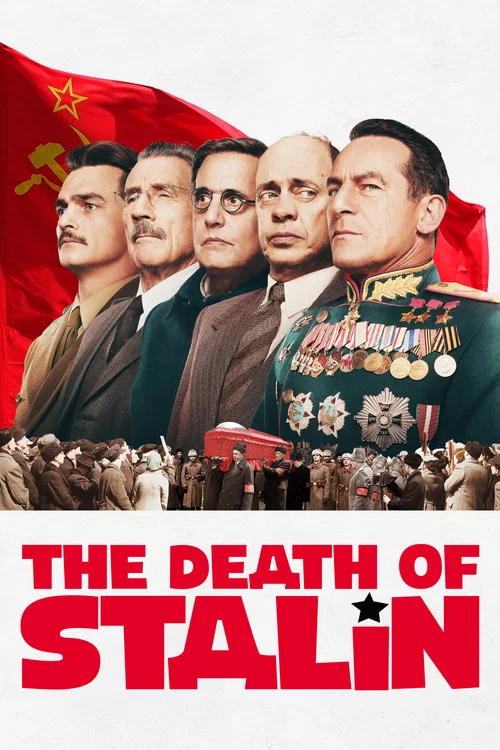
STORIA RAPPRESENTATA 05.03.1953 → 09.03.1953
Exposes the violence and absurdity of elite succession politics through political satire.
Dark comedy uses caricature and rearranged events; never a literal record.
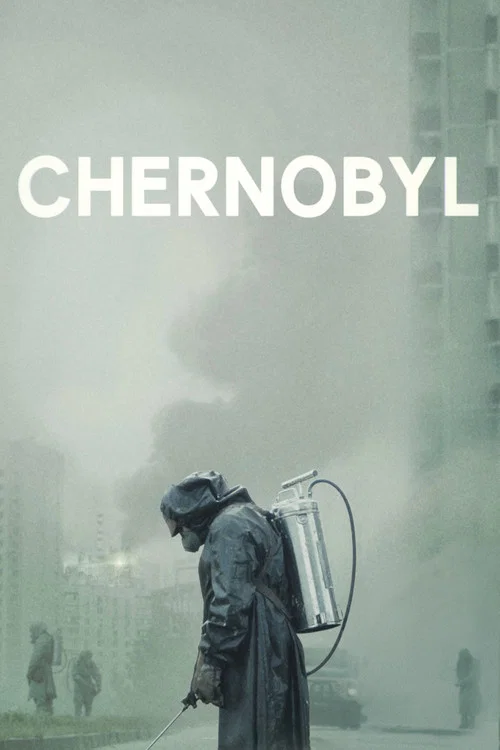
STORIA RAPPRESENTATA 26.04.1986 → 1987
Illustrates a late Soviet crisis of secrecy, institutions and technical risk.
Historically grounded dramatization; fictionalized characters and scenes; the disaster occurred in Soviet Ukraine.