01
CONTESTO STORICO
Classical China and imperial unification
Political philosophy and the consolidation of large states. Consider the evidence and viewpoints behind the screen portrayals before continuing.
Follow a long sequence from classical thought and imperial unification through dynastic government, foreign encroachment, revolution, the Second World War and the early People’s Republic. Chinese historical epics often mix myth, court fiction and nationalist perspectives; context separates plausible history from invention.
A focused itinerary through the pivotal transformations in China. Includes deliberately selected film and series perspectives; context notes identify dramatization and missing viewpoints.
Political philosophy and the consolidation of large states. Consider the evidence and viewpoints behind the screen portrayals before continuing.
500 p.n.e. → 497 p.n.e.
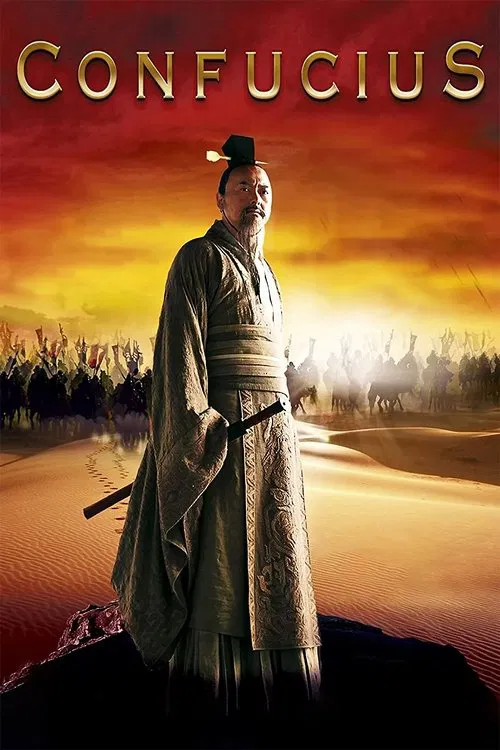
STORIA RAPPRESENTATA 500 p.n.e. → 497 p.n.e.
A philosopher’s life opens questions about statecraft, ethics and social order.
Highly dramatized biography; traditions about Confucius and precise chronology are debated.
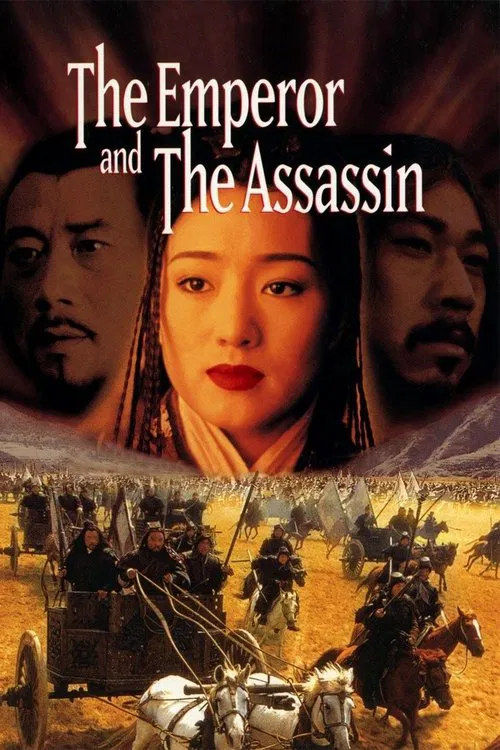
STORIA RAPPRESENTATA 227 p.n.e. → 221 p.n.e.
The Qin conquest dramatizes the political violence surrounding unification.
Epic retelling of an assassination plot; personal motives are speculative.
Fragmentation, military rivalry and the development of imperial society. Consider the evidence and viewpoints behind the screen portrayals before continuing.
208
STORIA RAPPRESENTATA 208
The crisis at the end of Han rule shows competing leaders and strategy.
Romance of the Three Kingdoms traditions shape characterizations; not a transcript of battle.
Trade conflict, modernization and the end of dynastic rule. Consider the evidence and viewpoints behind the screen portrayals before continuing.
1839 → 1842
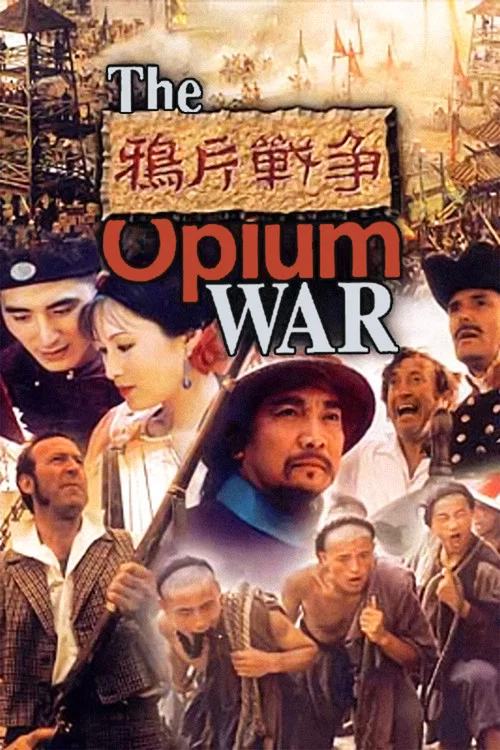
STORIA RAPPRESENTATA 1839 → 1842
The 1839 conflict introduces coercive trade and imperial confrontation.
A Chinese-centered historical retelling, shaped by national memory.
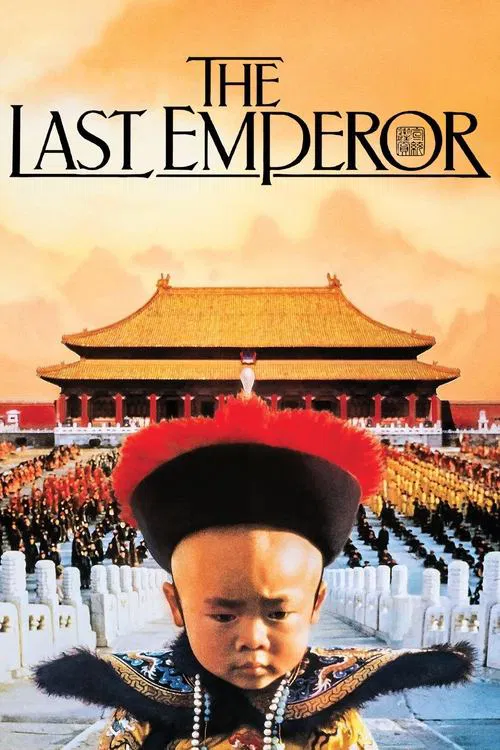
STORIA RAPPRESENTATA 1908 → 1967
Puyi’s life bridges the Qing court, Japanese occupation and Communist China.
A stylized biographical epic; complex politics pass through a single life.
National survival, civil war and transformations of everyday life. Consider the evidence and viewpoints behind the screen portrayals before continuing.
1937
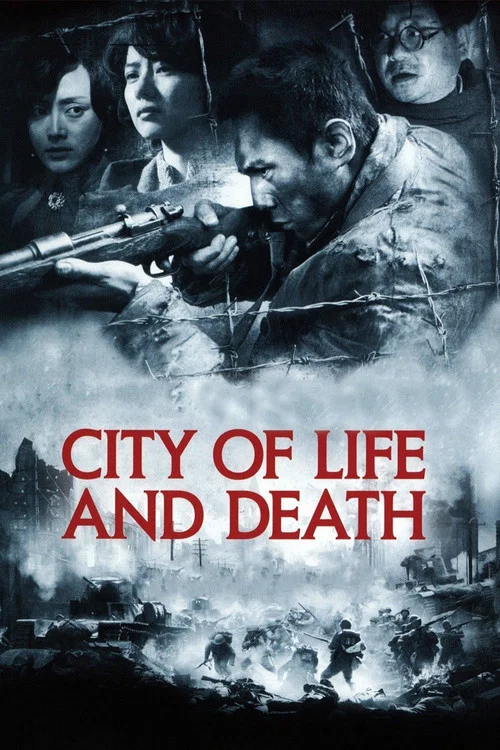
STORIA RAPPRESENTATA 1937
The Nanjing atrocities place civilian victims and war crimes at the narrative center.
A powerful dramatic reconstruction; composed characters represent many experiences.
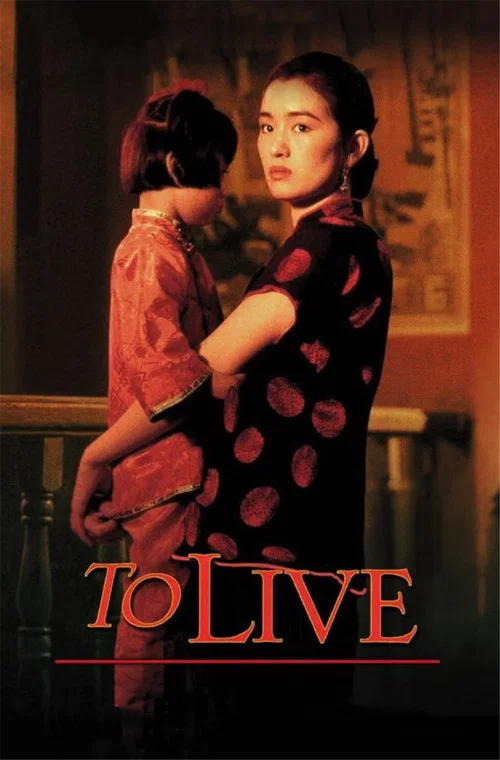
STORIA RAPPRESENTATA 1940 → 1966
An ordinary family experiences civil conflict and Mao-era upheavals.
Fictional adaptation valued for social impact, rather than official political narrative.
Films and dramas concentrate on selected people, settings and conflicts. They are not exhaustive, equal representations of classes, regions or communities. Compare these portrayals with historical scholarship and explore thematic Journeys across the same period.