01
HISTORISCHER KONTEXT
Reformation and the German lands · sixteenth century
The Holy Roman Empire contained numerous principalities, cities and competing religious authorities. The German nation-state did not yet exist.
Trace key transformations in German-speaking Central Europe and the modern German state: the Protestant Reformation, nineteenth-century imperial institutions, World War I, Nazism and Holocaust, the Federal Republic, the GDR and the end of the Cold War. Earlier territories and Prussia are not equated with present-day Germany. The films require critical reading, especially when representing German perpetrators, resistance or marginalized peoples.
A curated, accessible introduction to pivotal events and perspectives, with clear cautions about dramatization.
The Holy Roman Empire contained numerous principalities, cities and competing religious authorities. The German nation-state did not yet exist.
1505 → 1530
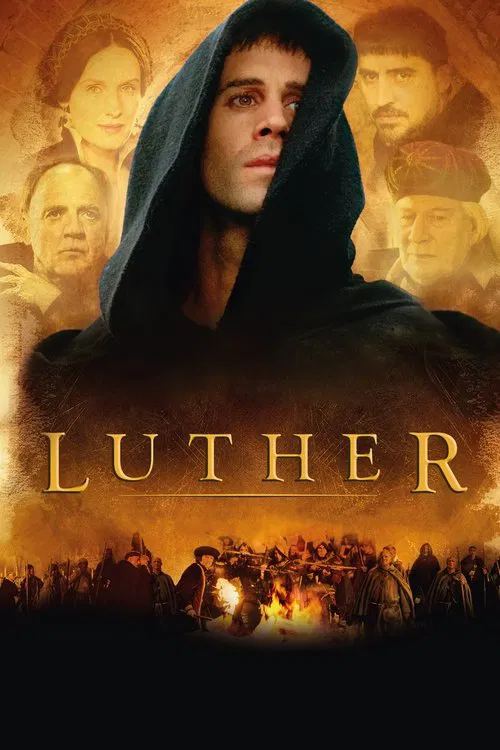
DARGESTELLTE GESCHICHTE 1505 → 1530
Introduces the Reformation and the political and theological upheaval in German principalities.
Biographical, Protestant-centered interpretation that compresses complex causes.
German unification in 1871 was followed by rapid industrialization, social reforms, class conflict and German overseas imperial ambitions.
1884 → 1885
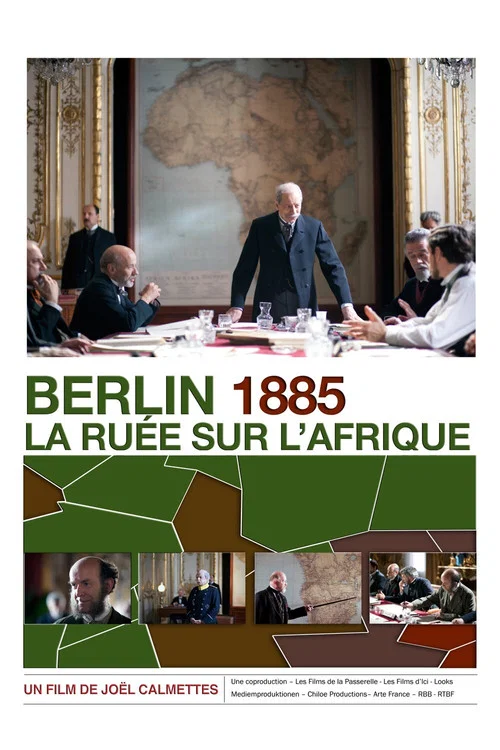
DARGESTELLTE GESCHICHTE 1884 → 1885
Portrays the Berlin Conference and Europe’s partition-making diplomacy during the scramble for Africa.
A docudrama about negotiations; African societies cannot be reduced to decisions made in Berlin.
War and defeat undermined the Kaiserreich; the new Weimar Republic faced social division, radicalization and economic crises.
1917 → 11.11.1918
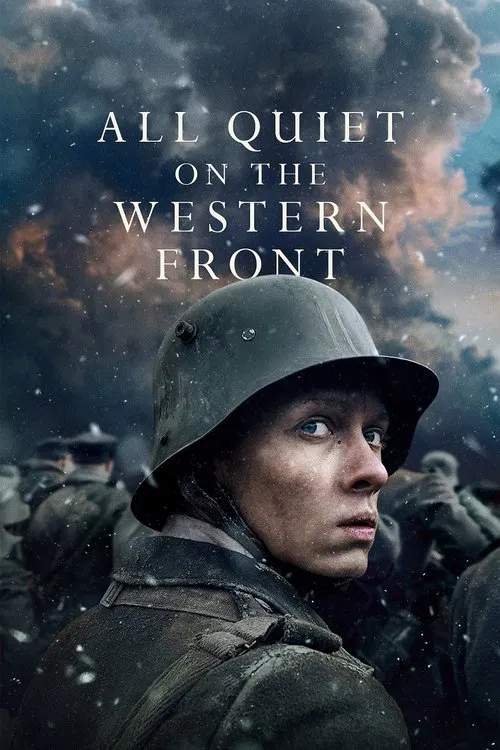
DARGESTELLTE GESCHICHTE 1917 → 11.11.1918
Revisits the violence and collapse of German military morale in the final phase of the war.
Adapts and significantly changes Remarque’s novel; not a literal chronology of 1918.
The Nazi dictatorship dismantled freedoms, persecuted and murdered targeted populations, launched aggressive war and committed genocide. Films should not flatten perpetrators, victims and dissenters into equivalent experiences.
29.09.1938 → 30.09.1938
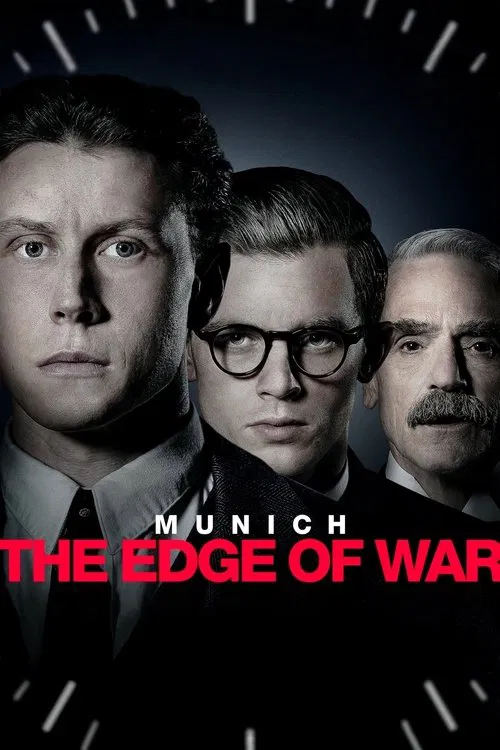
DARGESTELLTE GESCHICHTE 29.09.1938 → 30.09.1938
Shows the appeasement crisis and diplomatic calculations around the 1938 Munich Agreement.
Fictional spy story used to interpret real negotiations.
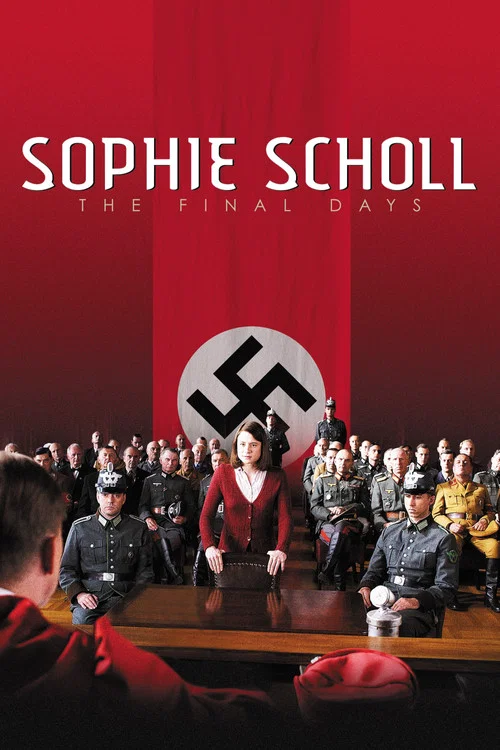
DARGESTELLTE GESCHICHTE 1943
Depicts the White Rose student resistance and Nazi state repression in 1943.
Focused on one resistance network; resistance was exceptional and diverse.
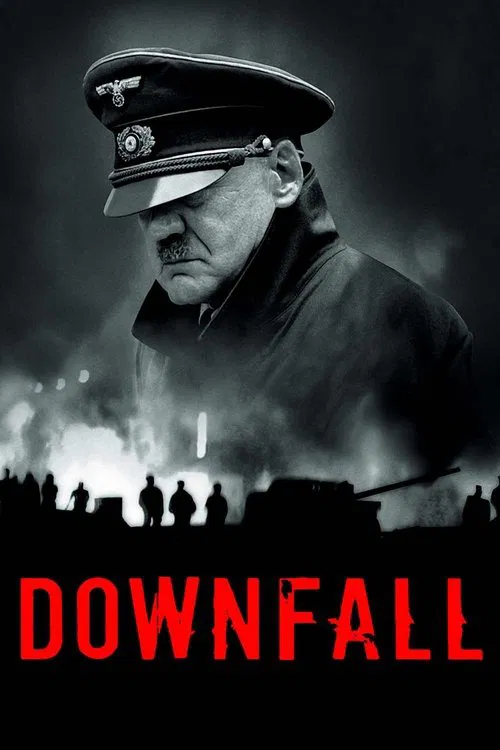
DARGESTELLTE GESCHICHTE 20.04.1945 → 02.05.1945
Dramatizes the disintegration of the Nazi leadership in Berlin in April 1945.
The bunker perspective must not be mistaken for a complete account of Nazi crimes.
After defeat, Germany was occupied and divided; the Holocaust and other crimes gave rise to trials, memory conflicts and institutional reconstruction.
1947
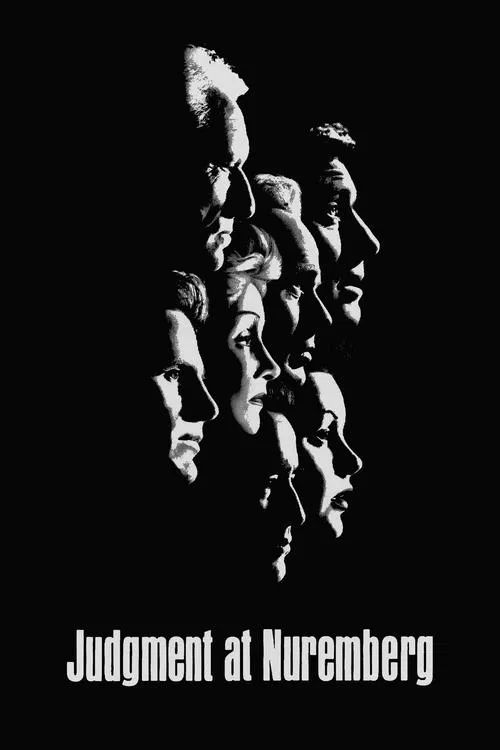
DARGESTELLTE GESCHICHTE 1947
Examines legal and moral responsibility of German judges for crimes under Nazism.
A fictionalized judicial drama inspired by the 1947 Judges’ Trial, not its literal transcript.
The Berlin Wall came to embody the split between the Federal Republic and the GDR. Intelligence services, surveillance and popular movements shaped the decades to reunification.
13.08.1961 → 09.11.1989
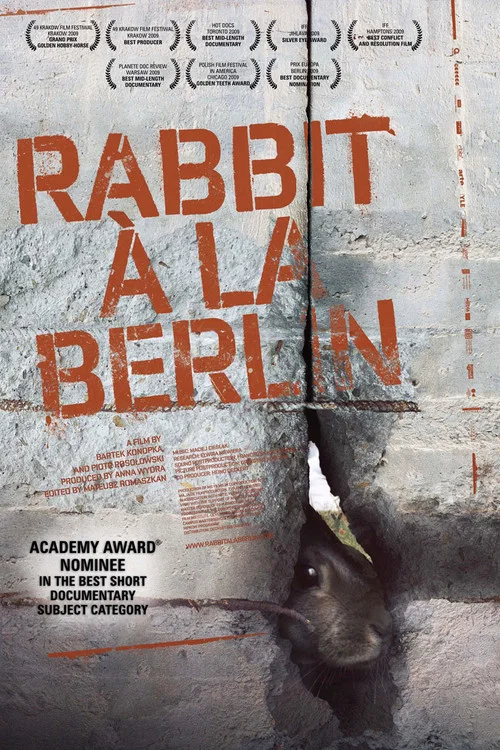
DARGESTELLTE GESCHICHTE 13.08.1961 → 09.11.1989
Uses the rabbits inhabiting Berlin’s border strip as an unusual documentary perspective on the Wall era.
An allegorical film; human experiences of division require parallel sources.